It’s late February 2026, and let’s be honest—half of the UK is currently walking around like extras from a zombie film. The damp British winter is dragging its heels, and everyone’s blaming the lack of Vitamin D or the latest “super-cold” doing the rounds in the office. But for a massive chunk of us, that heavy-limbed, “walking through treacle” feeling isn’t just a mood. It’s a biological alarm bell.
The conversation around mineral health has moved on a lot this year. We’ve stopped just talking about “feeling a bit knackered” and started looking at “bio-tracking” the tiny, weird glitches our bodies throw up when they’re running on empty. If your system is starving for iron, it doesn’t always send a polite email to your brain. Instead, it starts making your ears ring, your tongue swell, or gives you a sudden, frantic urge to eat the frost off the back of your freezer.
It is now these “secondary” symptoms, according to the latest NHS data on iron deficiency anaemia, that are the principal motivation behind why people are actually bothering to make an appointment for a blood test. Your car makes a funny noise if it’s low on oil before the engine seizes. Your body is exactly the same. Recognising these 5 weird signs of iron deficiency early is the difference between a quick steak-and-spinach fix and a six-month recovery slog.
The 2026 Iron Deficiency “Glitch” Tracker
| The “Weird” Symptom | What It Actually Feels Like | Why It Happens (The Science) |
| Pulsatile Tinnitus | A rhythmic “whooshing” in the ears that matches your heart. | Blood is “thinner” and moves turbulently near the ear canal. |
| Pagophagia (Pica) | An overwhelming, frantic urge to chew on plain ice. | Boosts blood flow to the brain to clear “iron fog.” |
| Atrophic Glossitis | A smooth, shiny, or “buffed” looking tongue. | Loss of papillae because your muscles lack myoglobin. |
| Restless Legs (RLS) | A “crawling” or itchy feeling in the legs at night. | Low iron disrupts the dopamine that controls movement. |
| Koilonychia | Nails that dip in the middle like tiny spoons. | Long-term depletion ruins the structural protein of your nails. |
The Rhythmic “Whoosh” in Your Inner Ear
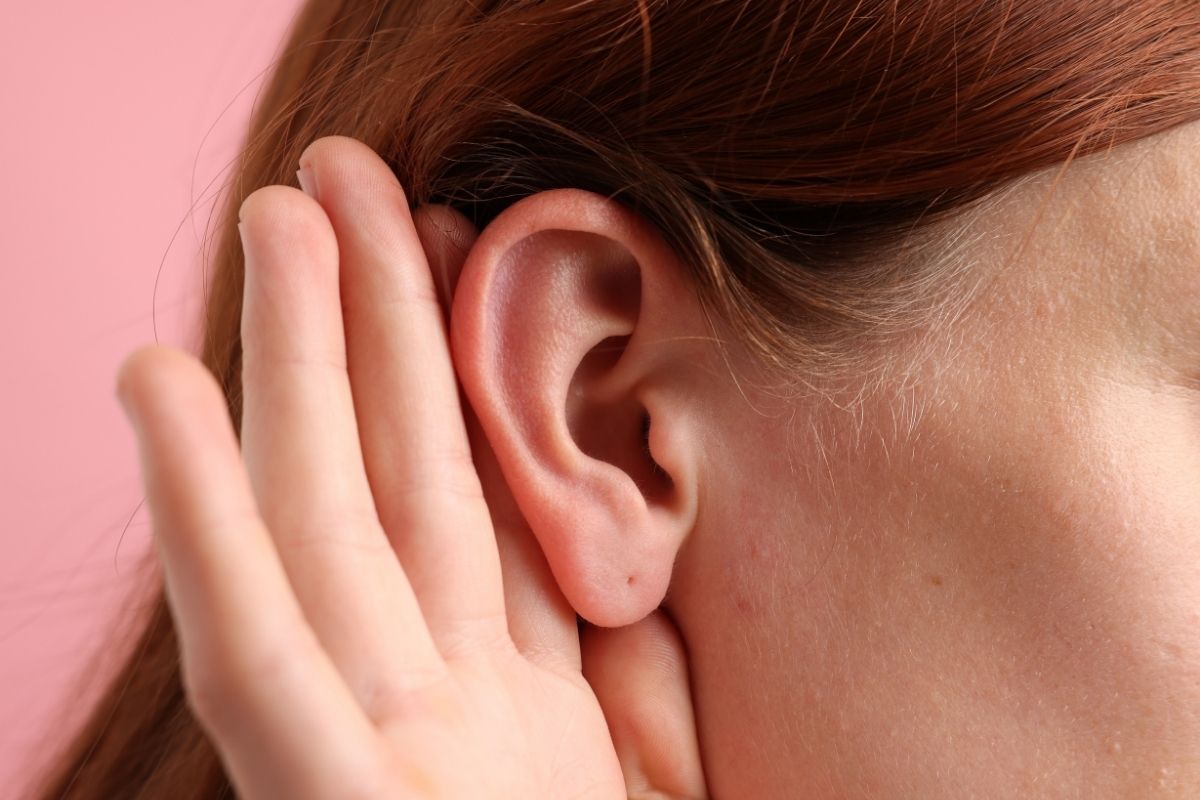
This is likely the most searched “weird” symptom on UK health forums this February. This is not the high-pitched ringing you experience after a loud concert. This is “pulsatile tinnitus”. It feels as if your heartbeat has actually moved into your ear canal. You lay your head down on the pillow, and all you can hear is a rhythmic thump-whoosh, thump-whoosh.
Here’s the science without the jargon. When you lack iron, your heart has to pump significantly harder to move what little oxygen you have left. At the same time, your blood becomes less “viscous”—it essentially thins out. As this thinner blood rushes through the carotid artery near your ear, it creates turbulence. You aren’t imagining it; you are literally hearing the struggle of your own circulatory system.
If you’re hearing your pulse while trying to drift off, it’s a massive indicator that your “pipes” are struggling. The British Tinnitus Association has been very vocal this year about checking iron levels before assuming it’s a permanent ear issue.
Also Read: What to Do If Someone Is Having a Heart Attack
The Freezer Raid: Craving Ice and Non-Food
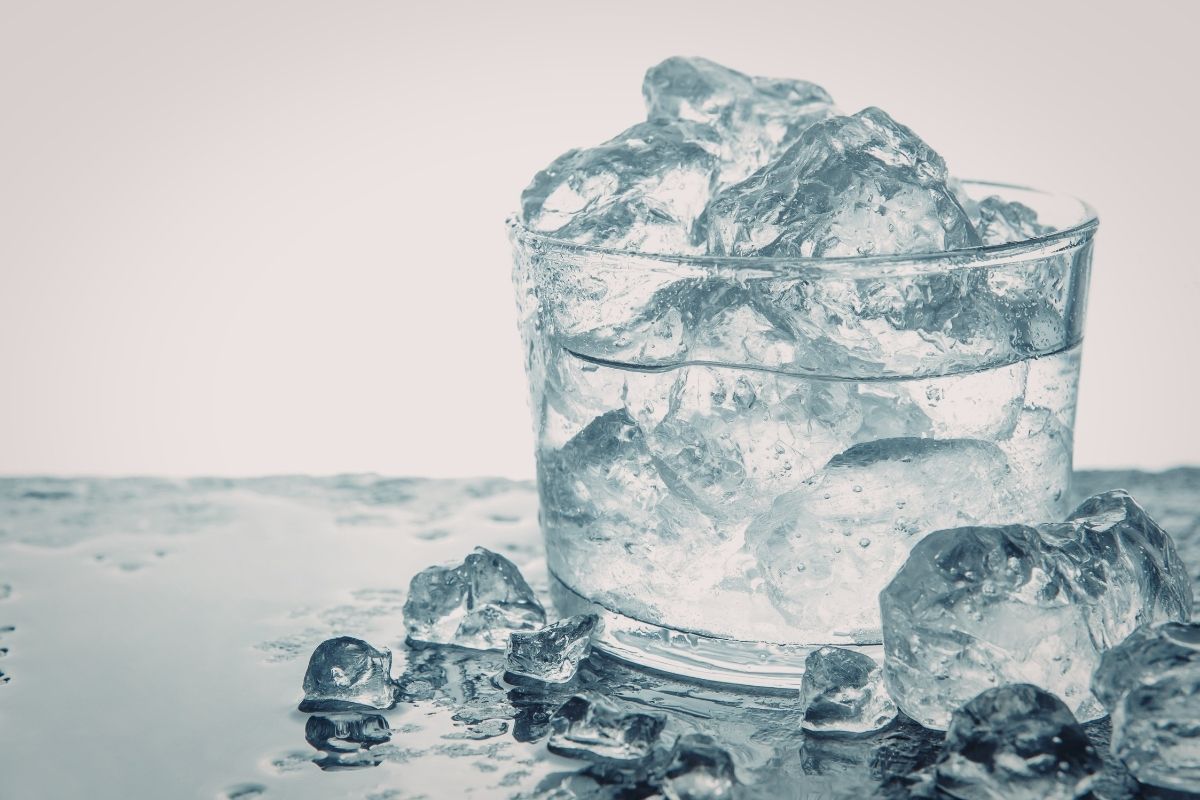
There is a clinical name for this, which sounds like a character from a play: Pica. In 2026, we’re witnessing a huge increase in “pagophagia,” the compulsive craving for chewing ice. It sounds innocent, but it’s an archetypal “starvation signal” from the brain.
Researchers at the Mayo Clinic suggest that chewing ice might actually be a survival tactic. The cold shock might trigger a “dive reflex” or a jolt of blood flow to the brain, momentarily clearing the heavy “brain fog” that comes with low iron.
But it’s not just ice. Some people become obsessed with the smell of wet dirt, coal, or even laundry detergent. Listen, if you crave chewing on a piece of cardboard or the edge of a sponge, your brain is crying out for minerals. It’s a sort of primal, befuddled cry for help.
The “Smooth” or Swollen Tongue
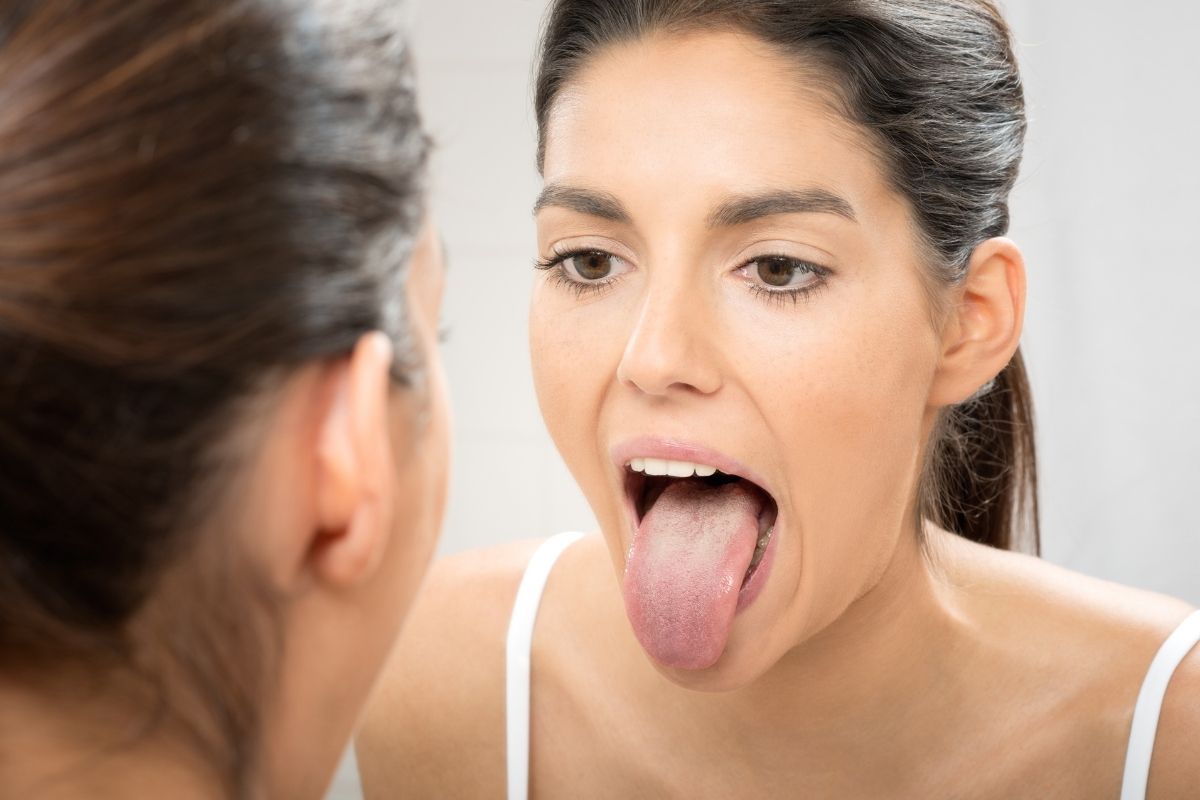
Next time you brush your teeth, have a proper look in the mirror. A healthy tongue is covered in tiny bumps called papillae. They give the tongue its texture and hold your taste buds. But iron is a key component of myoglobin, the protein that supports muscle tissue—and your tongue is essentially one big muscle.
When iron levels tank, those tiny bumps start to shrink and vanish. This leaves the tongue looking strangely smooth, shiny, and red. It might feel sore, or you might find that spicy foods suddenly feel like you’re eating lava. This “Glossitis” is often one of the first physical signs a GP will look for. The British Dietetic Association (BDA) notes that a “buffed” tongue is a major warning that your diet isn’t providing the basic building blocks your body needs.
Also Read: What Happens If Microneedling Goes Wrong After 1 Treatment?
The Night-Time “Leg Crawl”
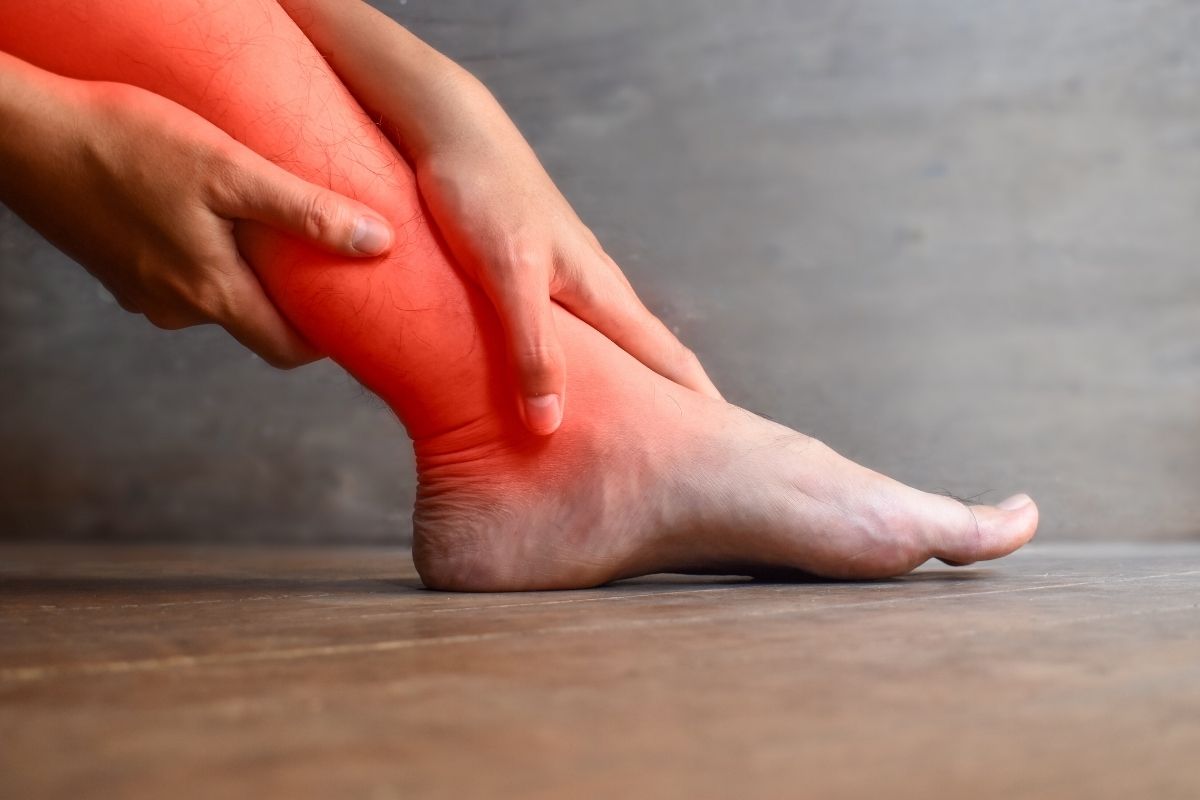
Restless Legs Syndrome (RLS) is an absolute nightmare for sleep hygiene, which is a huge trend for Brits this year. It’s that pins-and-needles, “crawling” sensation that only kicks in when you’re trying to sleep. You have to kick your legs or walk around just to make it stop for five seconds.
The link here is dopamine. Iron is a necessary “co-factor” for your brain to produce the dopamine that regulates smooth muscle movement. If the iron is low, the dopamine signal glitches. Your legs start “misfiring,” creating that unbearable urge to move.
Roughly 25% of people with iron deficiency experience RLS. Many spend years buying expensive mattresses when they actually just need a ferritin check. The Restless Legs Syndrome UK charity has been pushing hard this year to make people realise that “bad sleep” is often just a mineral issue.
Spoon Nails: The Structural Collapse
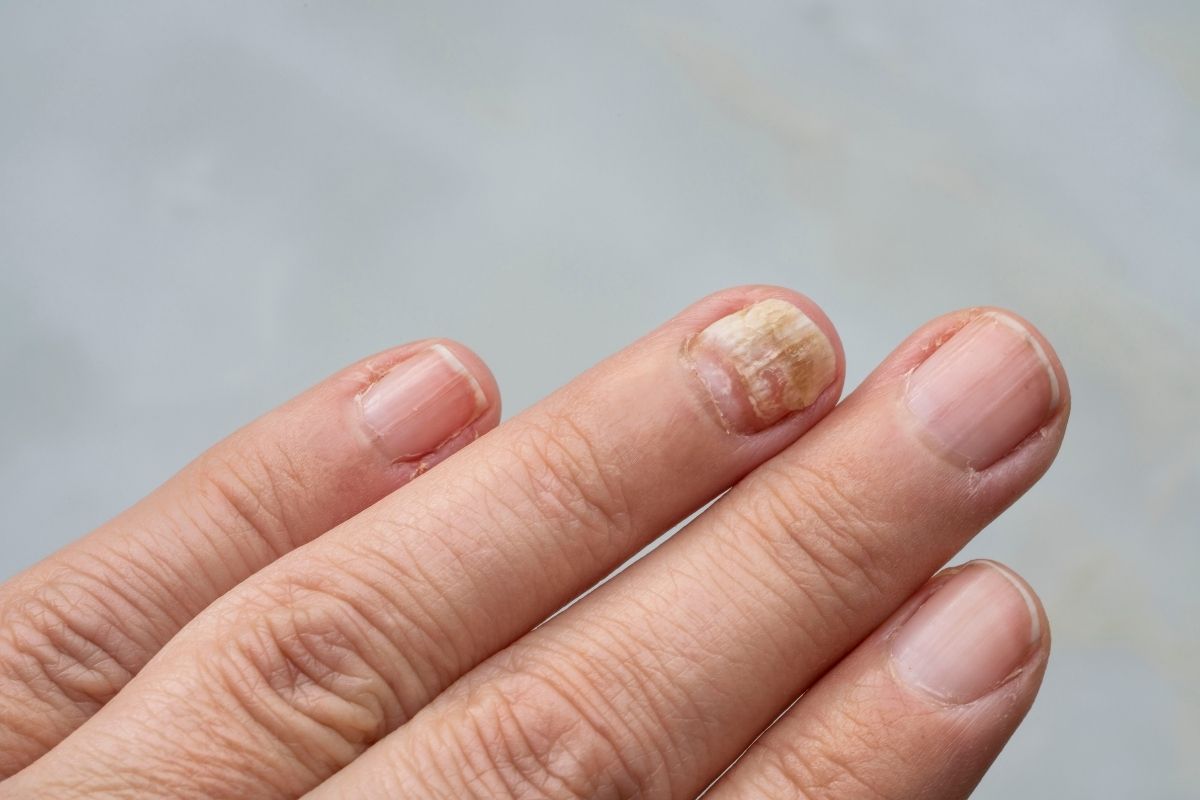
This is a sign of a more advanced, long-term deficiency. It’s called Koilonychia. Normally, your fingernails are slightly convex—they curve over the finger. In severe iron deficiency, the nail bed flattens out and then actually starts to dip inwards.
If you can put a drop of water on your fingernail and it stays there like it’s in a tiny bowl, you’ve got “spoon nails.” This happens because the lack of iron-rich blood reaching your extremities makes the nail plate weak and malformed. It’s a visual “empty tank” light for your body. The British Heart Foundation warns that these physical changes are an early warning for heart strain, as your heart works overtime to compensate for the lack of oxygen.
Also Read: Ten Days to Lose Chest Fat? Here’s What Actually Works for Blokes
Frequently Asked Questions
Can I just eat more spinach to fix this?
Honestly, spinach is fine, but it contains “non-heme” iron, which is more difficult to absorb. If you eat meat, red meat or shellfish are way better. If you are, pair your greens with vitamin C (for example, a squeeze of lemon) to “unlock” the iron.
Is it dangerous to just take iron pills?
Yes. “Iron Overload” (haemochromatosis) is real and can destroy your liver. Do not begin high-dose iron without a blood test. It’s important to check on your “Ferritin” levels, not only “Haemoglobin”.
Why does my tongue feel burnt when I haven’t had a hot drink?
That’s the inflammation. The tissue is thinning out and becoming hyper-reactive. It’s essentially “exposed” because it has lost its protective texture.
How long does it take to feel better?
You should feel more “awake” in a week, but it takes three months to fully replenish your “stores” (ferritin). This is a marathon, not a sprint.
The bottom line of February 2026 is that we should pay attention to the “glitches”. But even though your body is an amazing piece of machinery, it has its limits. If you’re hearing whooshing sounds in your ears or coveting the ice cubes in your drink, don’t try to “push through it.”
We’ve idolised “the grind” for too long, overlooking the physical toll it takes. Sometimes, the most productive thing you can do isn’t another hour of work—it’s getting a simple blood test and giving your body the minerals it’s literally begging for.