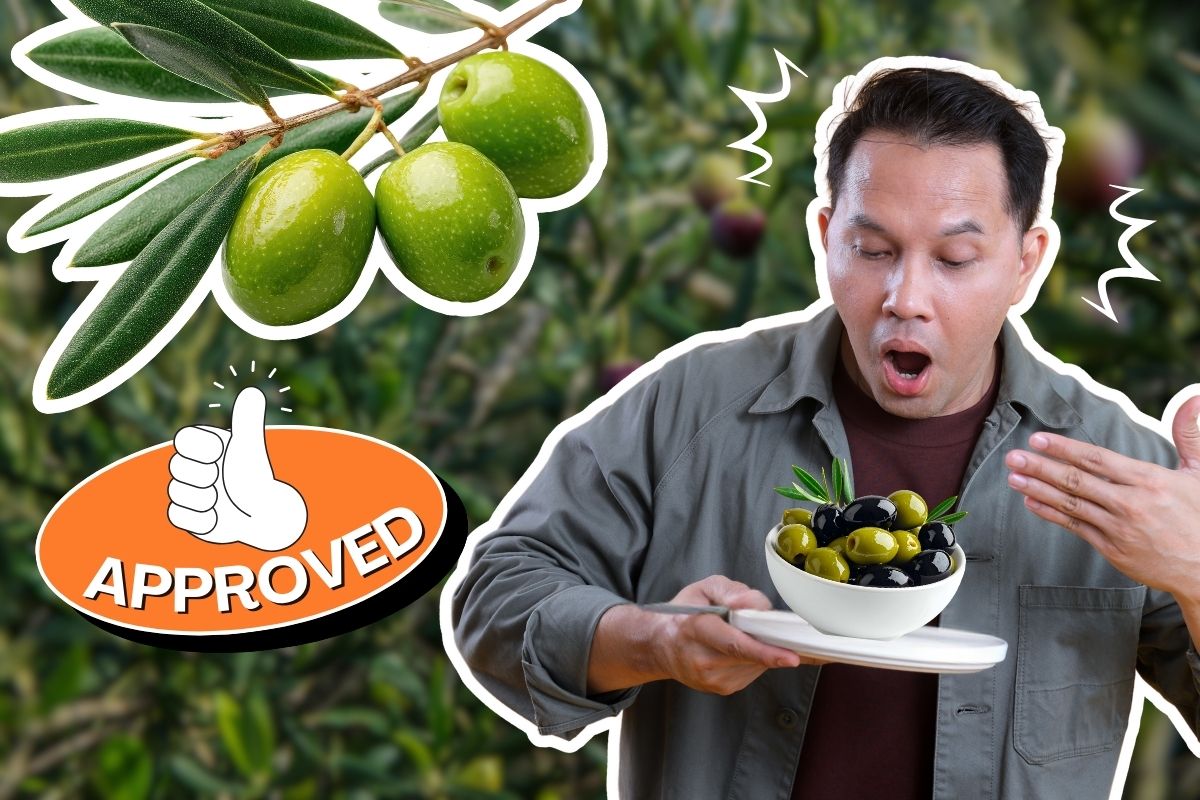
I used to think olives were just “pizza bits”. The little salty things you pick off and shove to the side like they’re doing you a favour by existing.
Then I spent a week in a mate’s flat where olives were… everywhere. A bowl on the table. A few tossed into salads. Chopped into pasta. Squeezed into sandwiches like they were the main event. It was the first time I noticed something obvious. Olives make food taste complete. Not fancy. Just finished.
And that’s where the question starts to get interesting. Are olives good for you in a real, everyday way, or are they one of those foods that sound healthy because they’re Mediterranean?
Here’s the honest bit. Olives can be a genuinely smart food choice, but it depends on two things people tend to ignore. The portion and the salt.
Because yes, olives do deliver some healthy fats and helpful plant compounds to the party. Usually, they also come swimming in brine. So you can’t discuss health benefits without discussing sodium. It’s akin to calling the rain a good thing because it waters your garden, without noticing that it is also ruining your shoes.
Anyway, let’s separate the wheat from the chaff and keep it simple.
What Olives Actually Are, And Why That Matters
First, are olives a fruit? Yep. Botanically, they’re a “drupe”, a fleshy fruit with a stone inside, like a peach or a mango. A plant science reference from CABI describes the olive fruit as a fleshy drupe with a stone.
That matters because fruits carry plant compounds, and olives are loaded with them. It’s not just “fat in a cute shape”. Olives contain monounsaturated fats, plus polyphenols. Those polyphenols are why olives get talked about in the same breath as the Mediterranean diet.
Also, a quick note on colour: green olives and black olives usually come from the same tree. The difference is ripeness and curing. Green ones are picked earlier. Blacks are picked later. Some “black” olives in tins get darkened during processing, so don’t assume colour always means fully ripened.
Also Read: The Honest Guide to Flaxseed’s Health Benefits
Benefits Of Olives In Real Life
The Heart Stuff People Actually Care About
Olives aren’t a “superfood” in the annoying internet way. They’re just a practical food that happens to carry the kind of fats your heart tends to like.
Most olives are rich in monounsaturated fat, particularly oleic acid, which is partly why olive oil gains so much praise in Mediterranean-style eating.
Cleveland Clinic notes that olives add healthy fats, along with plant compounds called polyphenols; it’s a major reason they are associated with heart-friendly eating patterns.
Now, if you want the everyday version of that, swapping a salty snack for a small handful of olives can feel like a win because you still get that savoury hit, but you’re also getting fat that’s more supportive than the stuff that sits in a packet of crisps for six months. It’s not magic. It’s just a better trade.
Why Olives Keep You Full
Here’s the bit nobody needs a lab coat to understand. Fat slows digestion. That usually means you stay satisfied longer. So if you’re the type who gets hungry again ten minutes after a “light” snack, olives can help because they actually have some staying power. Cleveland Clinic also highlights olives as a nutrient-dense food, not just an empty salty bite.
And yes, this is why a small bowl of olives before a meal can sometimes stop you from attacking the bread basket like it personally offended you.
Also Read: Ten Days to Lose Chest Fat? Here’s What Actually Works for Blokes
Gut Health: Only If They’re Made The Right Way
People throw the word “fermented” around like it automatically means “good for your gut”. Not always. Some olives are fermented in a way that can support gut bacteria, but others are basically preserved and processed until any live cultures are long gone.
Health website makes this point when comparing pickles and olives, the potential probiotic benefit depends on how they’re made and stored, with naturally fermented, often refrigerated versions being more likely to contain live cultures.
So if you’re eating standard shelf-stable olives, you can still enjoy them for taste, fats, and vitamin content. Just don’t buy them expecting a probiotic miracle.
The Sodium Catch (Yes, It Matters)
Olives are salty. That’s part of the charm. It’s also the reason you can’t mindlessly eat half a tub every night and call it “health”. Health.com flags sodium as a key downside of both pickles and olives, especially if you overdo it.
A simple rule that works in real life: keep the portion sensible, and if you already eat a lot of salty foods, treat olives as one of your salty things, not an extra.
The “Small Changes” Benefit Nobody Talks About
Honestly, olives help most because they make boring food taste better. That’s the underrated part. You add a few to a salad, and suddenly it’s not sad.
You throw chopped olives into pasta or a wrap, and the whole thing tastes more like a proper meal. That matters because people don’t stick to healthy eating when it feels like punishment. They stick to it when it tastes decent and doesn’t leave them hungry.
How to Enjoy Olives Without the Salt Overload
Most olives are cured, often in brine, which means sodium. Some jars are saltier than others, and a handful can quietly add up.
If you’re thinking, “So what, it’s just olives,” remember the UK advice for salt is tight. The NHS recommendation often quoted in UK coverage is no more than about 6 g of salt a day for adults.
And January 2026 has been full of fresh reminders about salt and heart risk in public health reporting, which makes the “it’s only a snack” mindset a bit dodgy.
So, what to do? You don’t panic. You just treat olives like a strong flavour booster, not a bottomless bowl.
A practical tip that actually helps: give brined olives a quick rinse. Pat them dry. You’ll lose some surface salt, and they’ll still taste like olives.
If you’re watching blood pressure, have kidney issues, or you’ve been told to cut sodium, olives can still fit. Just don’t treat them like popcorn.
Are Olives Keto?
If you’re wondering if olives are keto, generally yes, they can work well in a keto-style diet because they’re low in carbs and higher in fat.
But here’s the thing. Keto plans live and die by portions. A few olives in a salad is one thing. Eating half a jar while watching telly is another. You can do it, sure. You’ll still be low-carb. You might also wake up thirsty as anything because of the salt.
So yes, olives are often “keto-friendly”, but your body still has to deal with sodium.
Choosing the Right Olive for the Job
You’ll see a lot of arguing online about “best olives”. Honestly, most of it comes down to taste and how they’re cured.
Still, a few quick notes help.
Black olives tend to taste milder and softer, especially the common tinned ones. Great for chopping into sauces or tossing onto pasta.
Kalamata olives are usually darker and meatier and have that tangy, winey flavour because of how they’re cured. They’re proper Greek taverna vibes, even if you’re eating them in your kitchen in trackies.
Gordal olives are the big Spanish ones, sometimes called “queen olives”. They’re massive. More bite, more flesh, and they feel like a snack in their own right.
Nutrition differences exist, but they’re not dramatic in the way people pretend. The biggest swing is usually sodium and added ingredients. Stuffed olives, seasoned olives, olives in oily marinades. That’s where the numbers can change.
So pick the ones you enjoy, then check the label for salt.
Can Dogs Eat Olives, Or Is That A Bad Idea?
Right, can dogs eat olives?
Most sources agree that olives aren’t toxic to dogs in small amounts, but you’ve got to be sensible. The big issues are the pit, added flavourings, and salt.
One general explainer notes olives can be safe in moderation, but the pit is a risk, and salty or seasoned olives aren’t a great plan.
Here’s my practical take: if you’re going to give a dog a tiny bit, make it plain, pitted, and not soaked in garlic or spicy marinade. And if your dog has any health issues, ask your vet. It’s not worth being casual about it.
Also Read: A Simple 7-Day Vegetarian Meal Plan Anyone Can Try
Bottom Line
So, are olives good for you?
They can be, and they often are. Especially when they replace a less helpful snack, or they help you eat more real food because they make meals taste better.
But they’re not magic. They don’t cancel out a week of takeaways. And they’re not “free” just because they’re small.
Here’s the easy way to incorporate them without any overthinking. Toss a few into your lunch, or a small handful into a salad, or chop them up and stir them into tomato sauce. You can also eat them with cheese and veggies to really fill yourself up. Stay tuned on the salt; give it a rinse if you need to, and don’t treat the jar like a challenge.
And listen, if you’re still standing in front of the fridge at 11 pm trying to decide between a handful of olives or an opened bag of crisps, then, really, you know which one’s going to make you feel better come morning.
Frequently Asked Questions
Are Olives A Fruit Or A Vegetable?
Yes, olives are a fruit in the strict, scientific sense. They grow from a flower, and they’ve got a pit, so they’re a stone fruit. But in the kitchen? They behave like a savoury ingredient, so people treat them more like a vegetable.
Are Black Olives Healthier Than Green Olives?
Not automatically. Black olives are usually riper, and green olives are picked earlier, but “healthier” depends more on how they’re cured and how much salt ends up in the jar. Two tubs can look similar and have totally different sodium, so the label matters more than the colour.
Are Olives Keto-Friendly for Most People?
Usually, yes. If you’re wondering if olives are keto, they tend to fit because they’re low in carbs and higher in fat. Just don’t treat them like popcorn, because salt adds up fast if you graze on them daily.
Can Dogs Eat Olives Safely?
In small amounts, plain ones are generally fine, but you’ve got to be picky. If you’re asking, can dogs eat olives? Keep them pitted and unseasoned, and skip anything with garlic, chilli, or heavy brine. And if your dog has a health condition, it’s worth a quick check with your vet.
What Are The Benefits Of Olives?
The benefits of olives are pretty simple: they bring healthy fats and plant compounds, and they make meals more satisfying. They also help a snack feel “real” instead of airy, which can stop you rummaging for something else ten minutes later.
Are Kalamata Olives and Gordal Olives Much Different Nutrition-Wise?
Kalamata olives and Gordal olives mostly differ in taste, size, and how they’re cured. Sodium can vary a lot by brand, so the label matters more than the variety name.