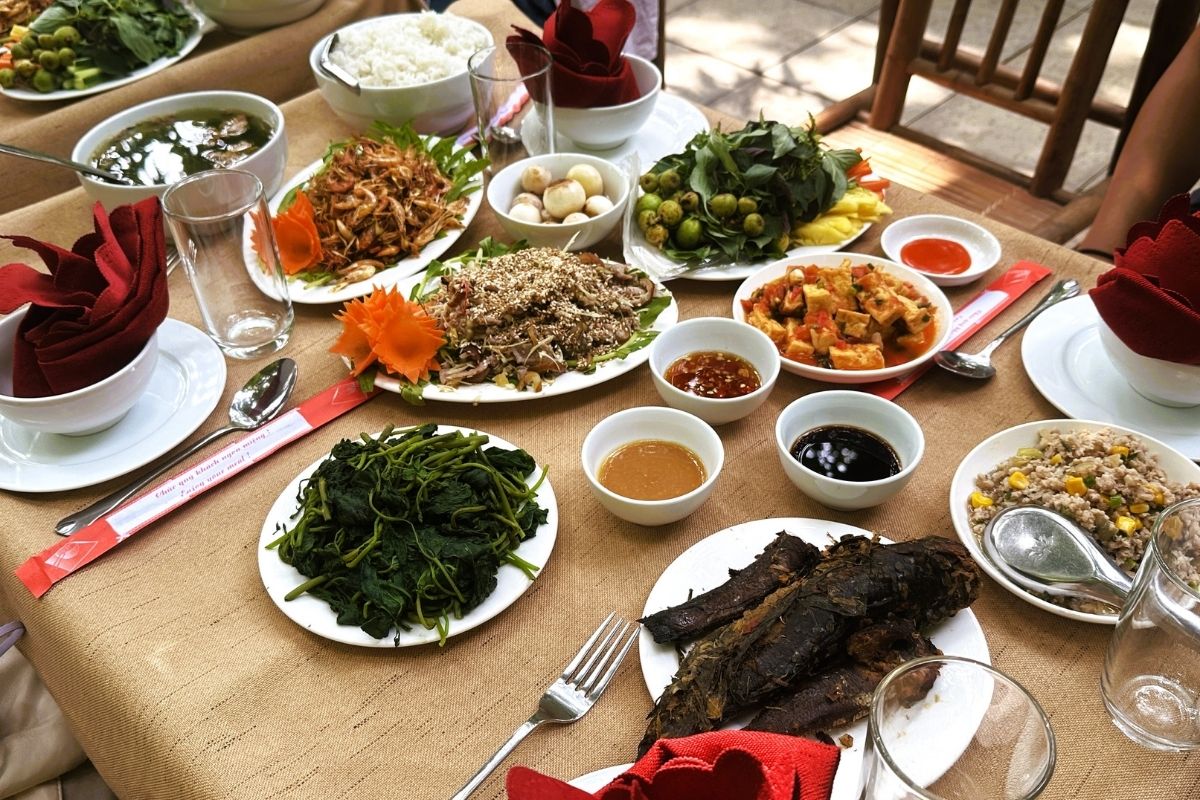
Our taste buds have travelled a long way in the modern world of cooking. We don’t just go out to eat anymore; we go out to have a certain experience. One night it might be the spicy, citrussy taste of a Peruvian ceviche, the following night it might be the warm, comforting taste of a Japanese ramen, and the next night it might be the spicy, fragrant spices of an Ethiopian wat. This rise in interest in food has turned eating into a low-stakes adventure—a chance to see the globe without ever leaving our neighbourhood.
Eating alone might be nice, but the real beauty of trying different foods is when you’re with other people. When we look at global preferences as a group, the dinner becomes more than just food; it becomes an adventure we all share.
The Social Risk of the “New Taste”
When a group agrees to sample a food they’ve never had before, something strange happens in their minds. It entails a collective perception of social risk. Ordering a meal you don’t know by yourself and not liking it can feel like a small failure. But when a group does it, the risk is spread around.
This makes the world a place where people are brave and adventurous. When you’re among friends, you’re more likely to eat the grilled octopus, fermented tofu, or very spicy regional curry since it’s framed as a communal discovery. Even if a meal divides people, it brings them together via conversation, laughter, and memories that they can all remember.
The Geometry of the Table: How Cuisines Shape Connection
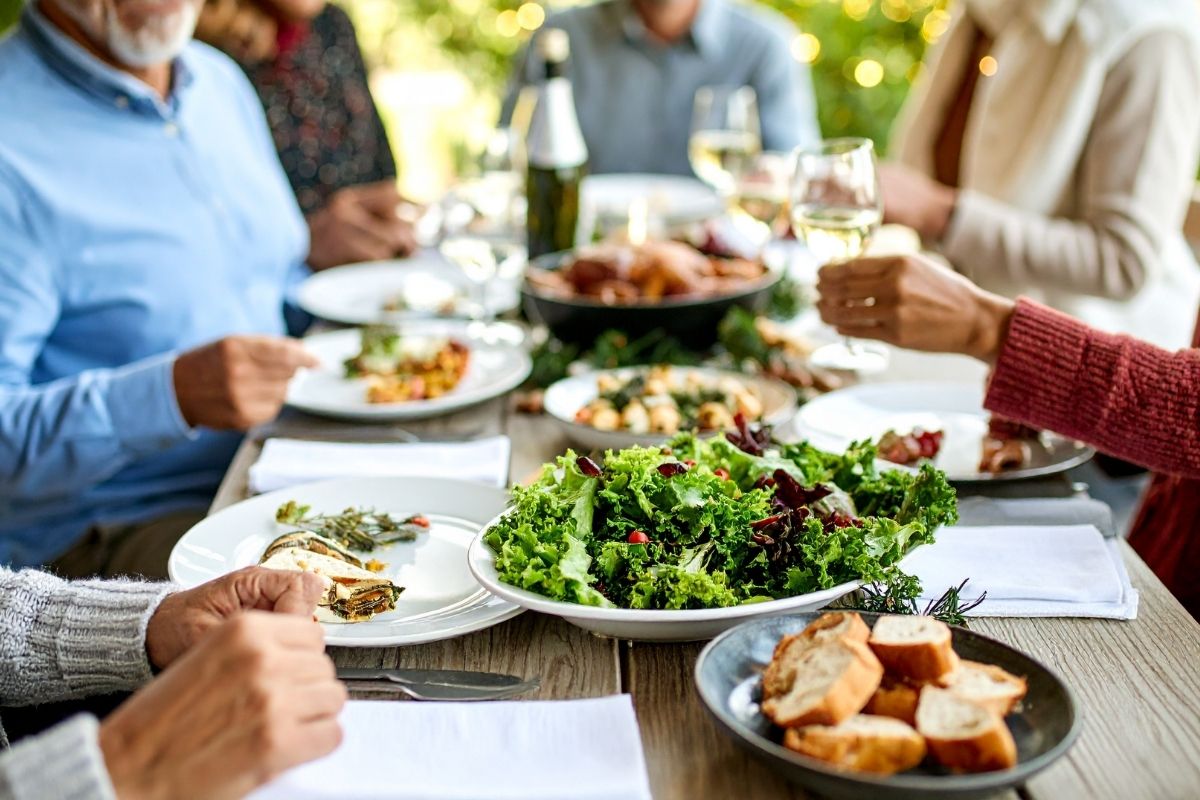
Different cuisines from around the world don’t simply taste different; they also let you interact in different ways. The way the meal is set up affects how the conversation goes.
1. The Circular Economy of Chinese Dining
The “Lazy Susan” is the best way to socialise when eating Chinese food. It makes the table a rotating stage where the food is always moving. This layout automatically stops the conversation silos that typically emerge at long, rectangular tables. The conversation stays open and friendly because everyone is focused on the centre.
2. The Shared Platters of Ethiopia and the Levant
Ethiopian injera or Lebanese mezze are examples of foods that use a big communal plate to break down physical barriers between diners. The table’s hierarchy goes away when everyone eats from the same core source. It makes people eat more slowly and look at each other more.
3. The Modern Fusion Experience
The group can’t always agree on just one place to go. In these instances, going to a pan-Asian restaurant or a fusion-style diner might help people from different cultures get along. It lets one table try the delicate umami of Japan and the powerful chillies of Thailand, which makes the lunch a comprehensive survey of the flavours of a whole continent instead of just one location.
Strategic Selection: The Group Venue
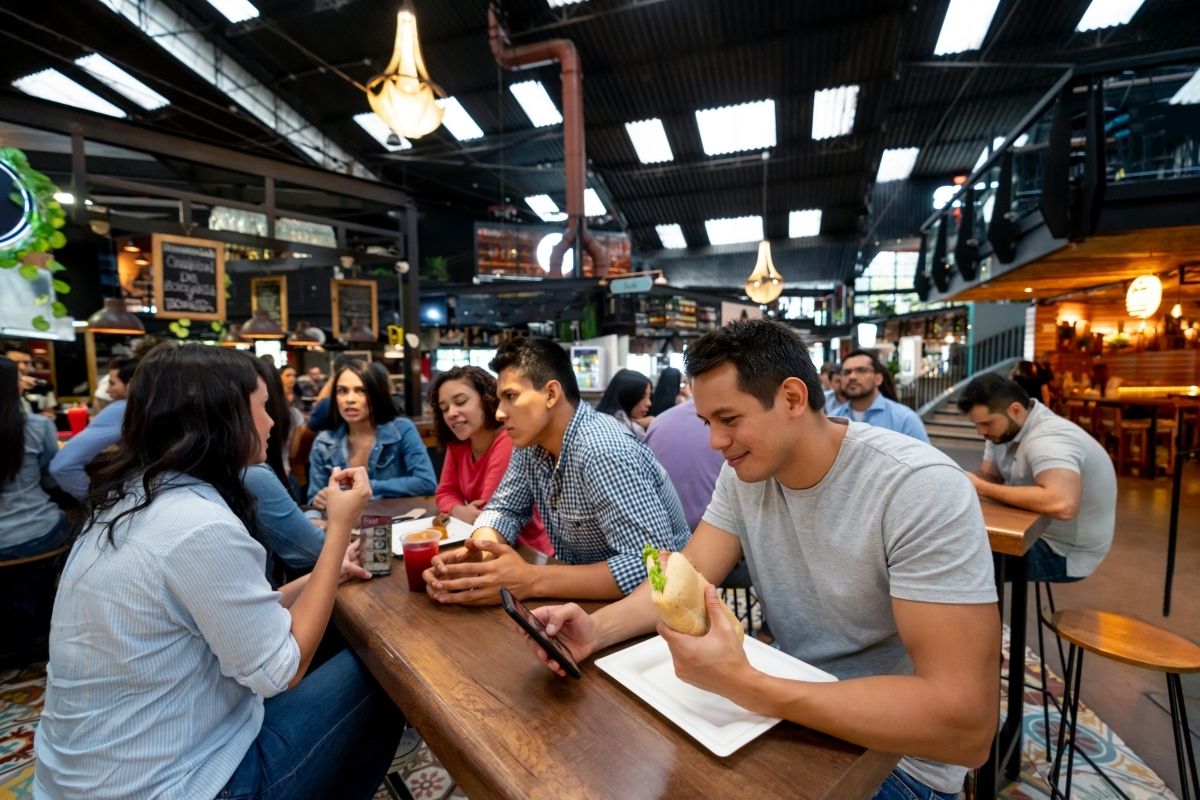
It takes some thought to choose where to start these culinary adventures. Not every restaurant is ready for the energy of a group of people who want to try a lot of different foods. When you’re in charge of a huge group of friends, selecting the right place to meet is all about finding the right mix between good food and easy logistics.
A family-style menu is the best option for a global taste test. This makes it easier for people to order and lets the kitchen send out a carefully chosen selection of their greatest foods. It makes sure that the group gets a real “tasting tour” of the food, from the appetisers to the hard-to-eat main dishes and the traditional desserts.
The “Taste Memory” and Group Identity
We don’t always realise how much our friendships are based on the meals we’ve had together. We remember the night we found that secret Moroccan gem or the time we had that really fiery Sichuan hot pot. These pleasures become important parts of our lives.
Trying foods from around the world together also helps you understand other cultures better. Eating food from another culture is a way to connect with their history and traditions, even if only for a short time. When a group of friends tries various flavours, they are broadening their view of the world. They are learning to appreciate the diverse flavours of spices and the methods that have been passed down through the years.
How to Have a Great Global Group Outing
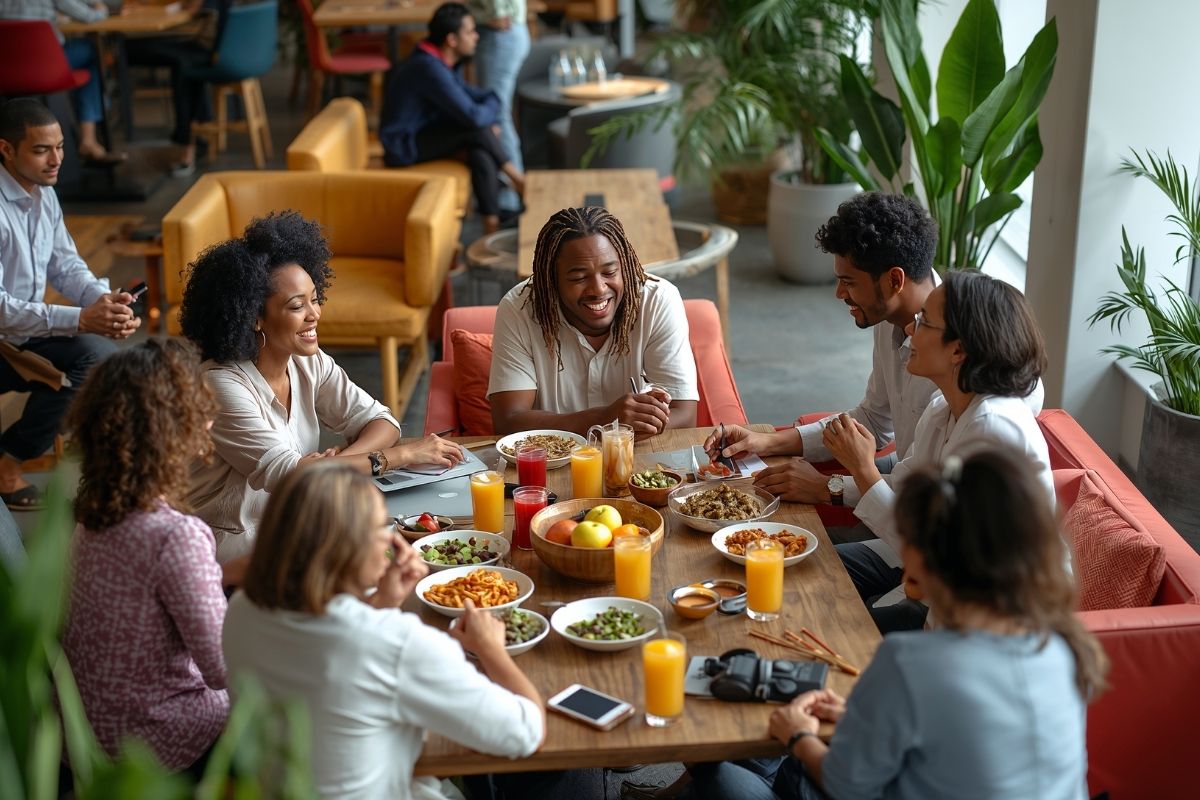
The Navigator Approach: If someone in the group knows a lot about the food, let them order for everyone. If you’re not sure what to order, don’t be hesitant to ask the staff for beginner’s guidance on the menu.
Don’t worry about whether the flavours go well together. Embrace the mismatch. One of the best things about eating with people from all over the world is how colourful and varied the table is.
Ask the waitress about the dish’s history to focus on the “Why.” It adds to the experience to know that a certain dish has been made the same way for hundreds of years.
It’s More Than Just Food
The globe is big, and there are many different tastes. We may not all have the time or money to travel to every part of the world, but we may find its essence in a meal shared with the people we care about most.
Trying new foods isn’t only about feeding a craving; it’s also about meeting our need for new things, connection, and shared experiences. When we sit down at a table with other people and share food that we’ve never smelled or tasted before, we are doing something that has been done for a long time and is lovely. We’re turning a simple dinner into an experience, which is expanding our world and our friendships a little bit.