Ever walked into a flooring shop and felt your brain just sort of fog over? All those samples look the same until you’re on your hands and knees trying to spot the difference. Then someone starts banging on about engineered this and tongue and groove that, and you’re standing there wondering if buying floorboards requires some sort of qualification.
Turns out different floorboards types actually matter quite a bit for how your home holds up. Get it wrong and you’ll have warped boards by summer or a floor that sounds like a tap dancer lives upstairs.
Solid Wood Still Has Its Place
Solid wood is what your gran probably had. One piece of timber through and through, usually oak or pine, about 18 to 20 mm thick. These wooden floorboards types last forever if you treat them right because you can sand them back multiple times over the years.
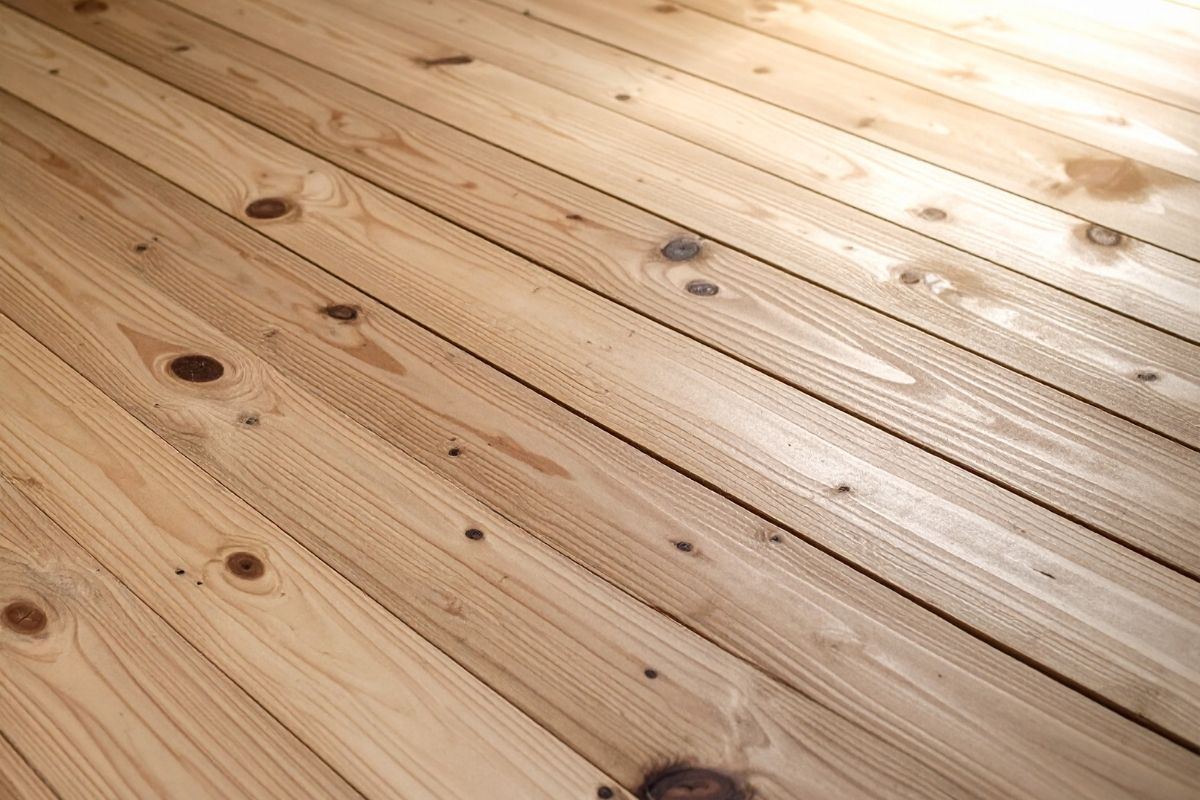
But they’re fussy. Wood swells in summer humidity and shrinks in winter dryness. That causes gaps and warping over time. Also, forget about using them with underfloor heating in most cases.
Prices start around £19 per square metre for pine, but walnut and honey oak, which everyone’s after in 2025, will set you back closer to £160. And they’re noisy as anything. Every footstep echoes through the house.
Also Read – How to Choose the Right Skip Size for Your Pinner Home Renovation
Engineered Wood Makes More Sense
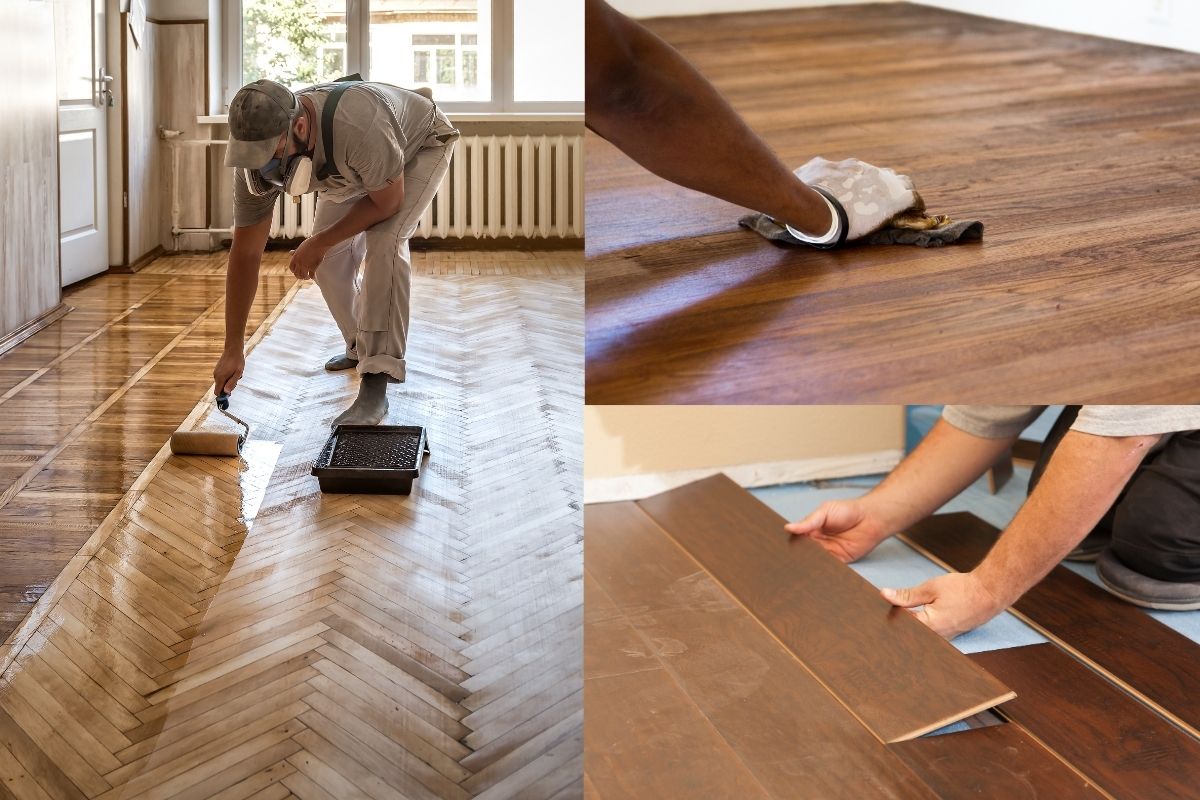
Engineered boards are three or four layers of wood glued together, about 14 mm thick total. The top layer is real wood veneer, so you can still sand it back once or twice, just not as many times as solid wood.
Here’s why they’re popular. Way more stable than solid wood. Don’t expand and contract much, so you get fewer gaps. Works fine in kitchens and dining rooms where solid wood would throw a wobbly. Some come with click-lock installation, which is dead easy for DIY.
Prices start similar to solid wood at £19 per square metre, but you get less hassle. Works with underfloor heating too, which is handy.
Laminate Floorboards Types for Tight Budgets
Laminate isn’t wood at all. It’s a photo of wood stuck on fibreboard with a protective layer over it. Sounds cheap and nasty, but modern laminate floorboards types can actually fool you from a distance.
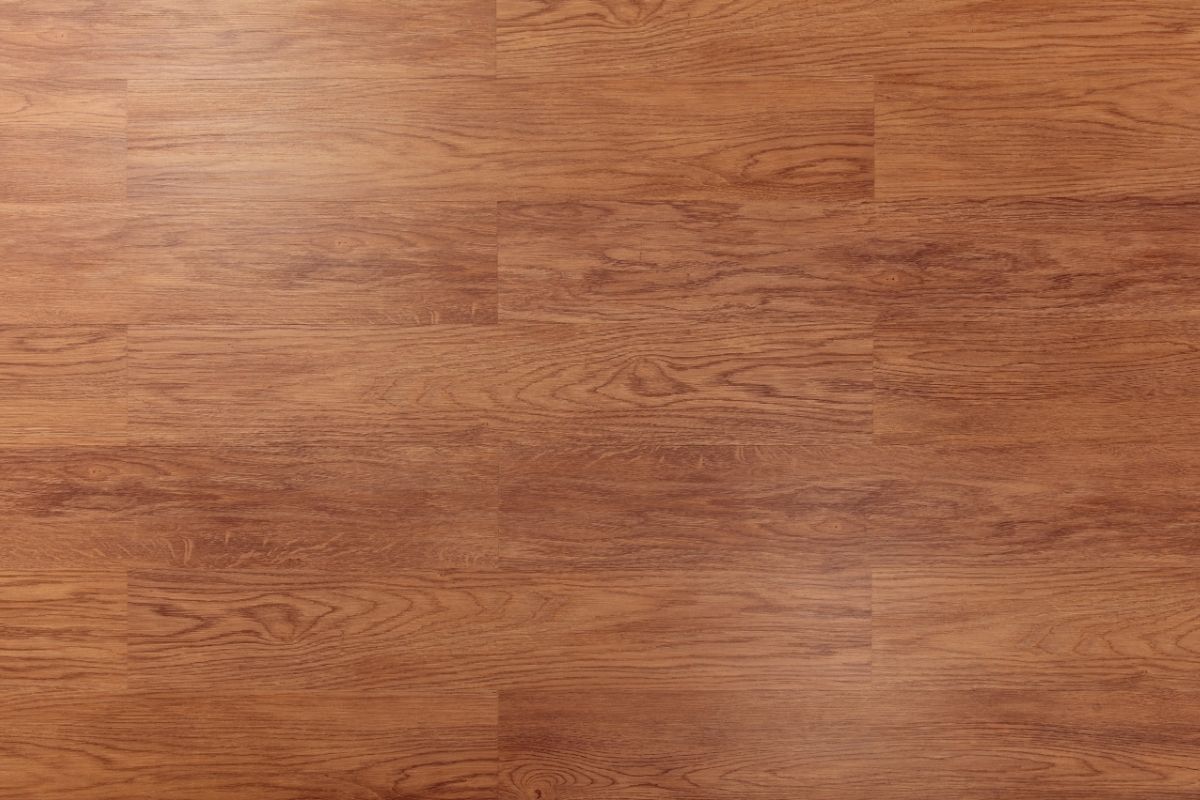
The main benefit is cost. Laminate’s dirt cheap compared to real wood, and it’s incredibly hard-wearing. Brilliant for high-traffic spots or if you’ve got kids and dogs trashing the place. Click-lock systems make it easy to fit yourself.
The downside is that once it’s scratched properly, you can’t fix it. You’re replacing boards. Also feels a bit hollow and sounds noisy when you walk on it. But for guest rooms or rental properties where you need something decent on a budget, it does the job.
Vinyl Floorboards Types Are Proper Practical
Modern vinyl isn’t like that grotty lino your nan had. Vinyl floorboards types now can look like wood or stone until you actually touch them. There’s sheet vinyl, which comes in big rolls, and luxury vinyl tiles that click together like laminate.
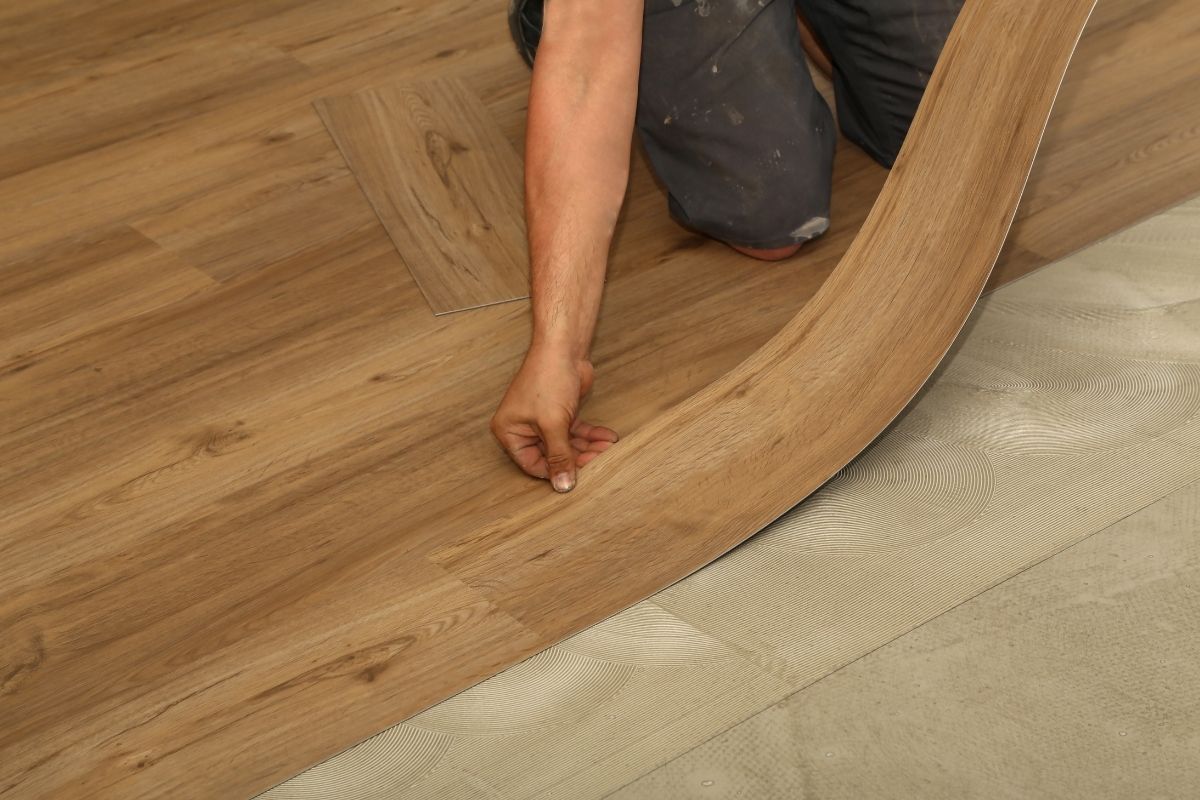
The waterproof bit is massive. Vinyl genuinely doesn’t care about water. That’s why it’s everywhere in bathrooms and kitchens these days. SPC and WPC types are 100% waterproof, not just water-resistant.
Sheet vinyl costs about £7 to £16 per square metre. Luxury vinyl tiles are pricier at £15 to £40 but still cheaper than real wood. Installation’s straightforward, and it’s way quieter underfoot than wood or laminate. If you’re in a flat, your downstairs neighbours will appreciate that.
The only downside is that it’s not a natural material. If that bothers you, look elsewhere. But for practical value, vinyl’s hard to beat.
Reclaimed Boards and Replacement Floorboards
Reclaimed timber from old barns and demolished buildings has got character you can’t get with new wood. Unique grain patterns, weathering, and history. Sometimes you’ll find boards for free on Facebook Marketplace. Salvage yards start around £25 per square metre but can hit £100 depending on condition.
Installing reclaimed boards takes more skill because they’re not uniform. You need to sort through them, deal with old nails, and match widths. But if you’re after that authentic period look, it’s worth the extra effort.
For replacement floorboards in older houses, matching existing ones can be a nightmare. Older properties often have solid pine or fir boards about 119 mm wide that just lay flat. Modern ones are mostly tongue and groove. If it’s going under the carpet, just use whatever fits. If it’s exposed, you need to match the species and finish, or it’ll stick out.
One tip: if you’re buying softwood, bring it into the room two weeks early with the heating on. Softwood from cold, damp sheds shrinks quite a bit once it warms up. Better to let that happen before you nail it down.
Also Read – How Does Music Therapy for Dementia Help Unlock Lost Memories?
Actually Choosing What Works
Think about the room first. Bathrooms and kitchens call for waterproof material. That leaves luxury vinyl, sheet vinyl or perhaps engineered wood if you can be scrupulously careful. Solid wood in a bathroom invites trouble.
Heavy-traffic areas, like hallways, require something hardwearing. Laminate or luxury vinyl, or tough hardwoods like oak. Save softer woods for bedrooms where they won’t get hammered.
Budget matters obviously. If money’s tight, laminate or sheet vinyl will sort you out without breaking the bank. If you’ve got more to spend and want something lasting decades, solid or engineered hardwood makes sense.
And think long term. Staying in the house for years? Invest in quality flooring. Flipping a property or renting it out? Practical and affordable wins out over expensive materials that can get damaged.
The best floor is the one that works with your space, at a price point you can afford and doesn’t rub you the wrong way for the next decade. Solid oak, luxury vinyl or reclaimed pine is beside the point here; having something suitable and properly installed is what actually counts. Just maybe avoid those lurid patterns that seem brilliant after a few pints. Your future self will thank you for keeping it sensible.
Recommended