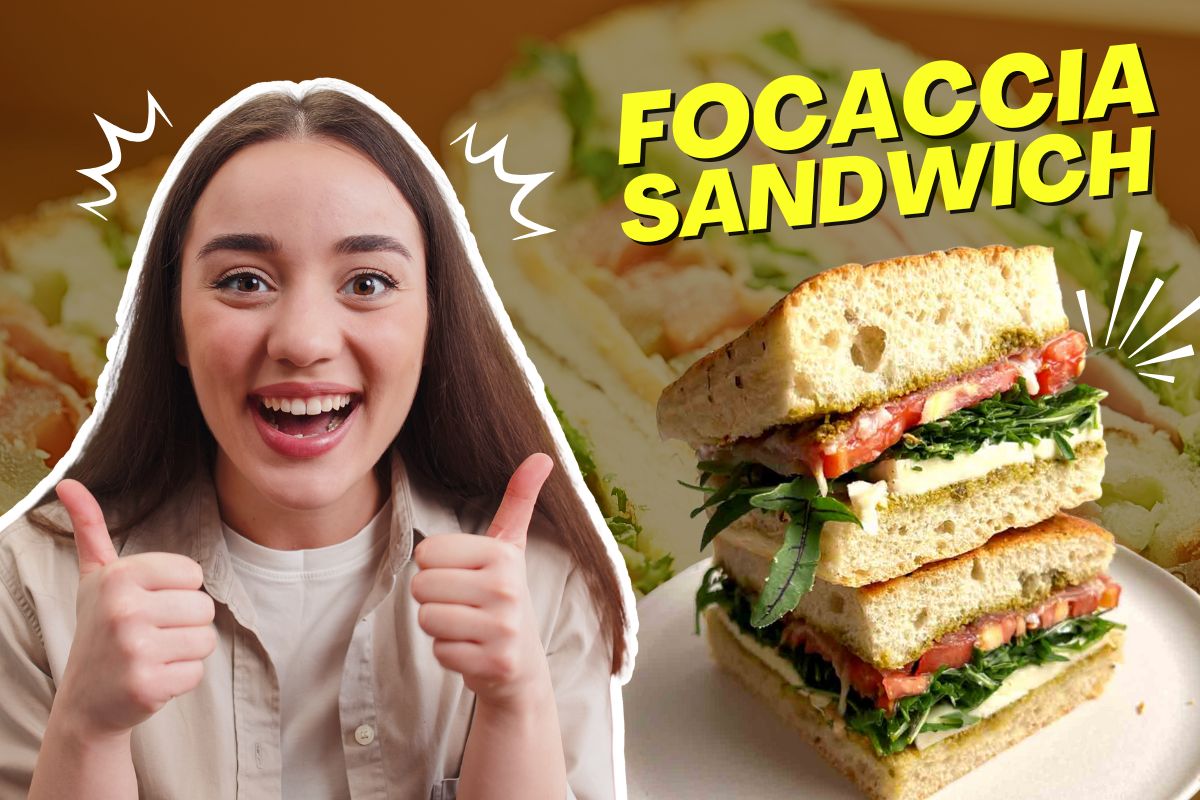
There’s a point in the day, usually late morning or just after one, when hunger turns picky. You’re not starving. You’re just bored. The usual bread feels wrong. Too dry. Too soft. Too forgettable. You want something that actually tastes like effort was involved.
That’s usually when focaccia comes to mind.
Not in a dramatic way. More like a quiet realisation. That oily, slightly uneven bread. The smell hits first. Olive oil. Maybe rosemary. Warm edges. A centre you can press without it snapping back. You haven’t even filled it yet, and it already feels like a step up.
Focaccia comes from Liguria, up in northern Italy, where bread is treated properly. Not as a background item. As the thing you notice. It’s baked flat, poked with fingers, soaked with oil, and finished with salt or herbs if the baker feels generous.
As sandwich bread, it behaves differently. It doesn’t fall apart when you slice it. It doesn’t go limp the second something juicy touches it. It stays put. You bite, it holds. That’s why it works, as it knows what it’s doing.
That’s the thing. When focaccia is right, the sandwich almost builds itself.
What Makes Focaccia Such a Good Choice for Sandwiches
Here’s the thing. A lot of breads try too hard.
Focaccia doesn’t.
The inside stays airy and soft, which matters when you’re stacking fillings. The outside gets a gentle crunch, especially if it’s been baked well or lightly reheated. That contrast is what stops the whole thing from feeling heavy.
Then there’s the olive oil. Focaccia isn’t shy about it. That richness means you often need less sauce. The bread already brings flavour, which is rare. Add a pinch of rosemary or flaky salt on top, and you’ve got something that works with fillings rather than competing.
Focaccia vs Ciabatta
Compared to ciabatta, focaccia doesn’t fight back. It’s softer and less chewy, and you’re not left pulling at it as it owes you money. Against sourdough, it feels gentler and easier going, especially when it’s filled. The bite stays clean. The sandwich holds together. You’re eating lunch, not negotiating with your bread, and it matters.
Focaccia Sandwiches Have More Range Than You’d Expect
Most people picture the same thing. Italian deli meats, mozzarella, tomato, end of story. Fair enough. It’s a solid image. But focaccia sandwiches stretch way beyond that lane.
Some versions stay classic and let the bread shine. Mozzarella that actually tastes of milk. Prosciutto folded, not stacked. Roasted peppers. Maybe pesto, but only a swipe. Simple works because focaccia already brings olive oil and salt to the party.
Vegetarian fillings feel natural here, not like a backup plan. Grilled courgette, aubergine with a bit of char, slow tomatoes that taste sweet rather than watery. Add leaves if you want. Or don’t. It still holds.
Chicken versions are forgiving in the best way. Roast chicken, grilled chicken, yesterday’s chicken. Focaccia keeps things moist without turning limp, which is half the battle.
Vegan fillings slide in easily too. Hummus, roasted veg, olive tapenade, marinated tofu. The bread doesn’t dominate. It carries.
And breakfast deserves a mention. Warm focaccia, soft eggs, a bit of cheese, maybe spinach. It feels like you’ve treated yourself, even if it’s just Tuesday morning.
Getting the Fillings Right Without Overthinking It
Protein
This is where people usually go heavy-handed. Focaccia doesn’t need thick slabs of anything. Thin slices work better. Roast chicken, turkey, prosciutto, salami, and even mozzarella. Spread it out so every bite gets some, not so it turns into a mouthful of one thing.
Vegetables
Veg needs a bit of care, not a quick chop. Roasted peppers, onions cooked until sweet, aubergine with colour on it. Tomatoes should be seasoned first, always. Raw and watery is how sandwiches fall apart.
Greens
Fresh leaves help, but keep them light. Rocket or spinach behaves. Big crunchy leaves just get in the way and push everything else out the sides.
Sauces
This is where restraint really counts. Focaccia already comes with olive oil baked in. Pesto, aioli, or a sparse drizzling of balsamic is enough. Too far and the whole thing slips.
If it feels finished, stop. The optimal focaccia sandwich always ends up with one fewer ingredient than you had in mind.
Also Read: Spencer Metzger: The Chef Who Cold-Called The Ritz at 15 and Never Looked Back
Making a Focaccia Sandwich at Home Without Ruining It
Step 1: Let the bread cool
If the focaccia is still warm, don’t touch it yet. Warm bread traps steam once fillings go in, and that’s how the inside turns damp. Room temperature is where you want it.
Step 2: Cut it carefully
Place the focaccia flat on a board, and cut it across in half at a right angle to the top and bottom. If you have a serrated knife, it will make this job go quickly. Go slow. Pressing too hard crushes the soft centre and makes everything slide later.
Step 3: Decide if it needs heat
Fresh focaccia usually doesn’t need warming. If it’s a day old, give it a short warm-up. A minute or two is plenty. You’re softening it, not crisping it.
Step 4: Build it in the right order
Spread any sauce directly onto the bread first. Then add your protein. Vegetables come next. Greens go on last. This order helps keep moisture under control.
Step 5: Give it a minute
Before eating, let it sit for a short while, especially if you’re wrapping it. Focaccia actually benefits from a pause. Everything settles, and the sandwich holds together better.
That’s it. Nothing clever. Just a few small choices that stop a good focaccia sandwich from turning into a mess.
Nutritional Value of a Focaccia Sandwich
No point pretending here. A focaccia sandwich isn’t trying to be diet food. It’s proper food. Filling food.
What you get depends almost entirely on what you put inside it. The bread brings carbs and a fair bit of fat from olive oil. The rest is up to you. Some versions feel light and steady. Others feel like a nap waiting to happen.
Here’s a simple way to think about it.
| Part of the Sandwich | What It Adds | What to Keep in Mind |
|---|---|---|
| Focaccia Bread | Carbohydrates and fat | Olive oil adds rich flavour but increases calorie content |
| Protein Fillings | Protein for satiety | Chicken, turkey, eggs, or cheese affect how heavy it feels |
| Vegetables | Fibre and freshness | Roasted vegetables and greens help balance the richness |
| Sauces and Spreads | Extra fat or sweetness | With focaccia, a small amount usually goes a long way |
Most focaccia sandwiches land somewhere in the middle hundreds for calories, depending on size and fillings. That’s normal. That’s expected.
If you want it lighter, swaps help more than cutting the bread. Use lean proteins. Load up on vegetables. Go easier on cheese and sauces. Whole wheat focaccia works too and still tastes like focaccia, just a bit heartier.
Also Read: Meet the Great British Menu Judges 2025: Full Lineup
Mistakes That Ruin an Otherwise Good Sandwich
Most focaccia sandwiches go wrong for very ordinary reasons. Nothing dramatic. Just small choices that stack up.
The first one is stuffing it too full. It feels generous at the time. Then you try to eat it, and everything squeezes out the sides. The bread flattens. Your hands get greasy. It stops being lunch and turns into a chore. If the sandwich won’t close without pressure, you’ve gone too far.
Sauce is another quiet problem. Focaccia already has oil baked into it. That’s part of the point. Add too much pesto or mayo and the whole thing turns slippery fast. A light spread gives flavour. A heavy one just makes a mess.
Cold bread doesn’t help either. Straight-from-the-fridge focaccia tastes muted and stiff. A short warm-up brings it back. Not crispy. Not toasted. Just warm enough that it smells like bread again.
And storage matters more than people think. Wrapping a hot focaccia sandwich in plastic is a mistake you only make once. Steam builds up. The crust goes soft. Everything feels damp. Let it cool a bit. Use paper. Give it some air.
None of this is complicated. But getting it wrong is very easy. Getting it right makes the whole sandwich feel effortless.
When a Focaccia Sandwich Makes Sense
- Lunch is the obvious answer, but it’s not the whole story.
- They’re solid picnic food because they don’t fall apart the second you unwrap them. You can pack one in the morning, and it’ll still make sense a few hours later.
- They work for sharing, too. Slice them up, stack them on a board, and nobody needs instructions.
- Cafés lean on them because they look generous without needing tricks. Home cooks reach for them because they’re hard to mess up.
- And sometimes, they’re just right for eating by the kitchen counter. Standing. Paper towel underneath. No ceremony.
Why People Keep Coming Back to It
A focaccia sandwich doesn’t pretend to be clever. It doesn’t shout. It just works. It consists of good bread with thoughtful fillings. And honestly, in a world of overdesigned food trends, that’s refreshing.
So next time you’re hungry and bored at the same time, maybe skip the usual. Go for the bread that already knows what it’s doing.
Frequently Asked Questions
Is focaccia good for sandwiches?
Yes. That’s sort of its secret second job.
Can focaccia sandwiches be eaten cold?
Absolutely. Many are better that way.
How long do they stay fresh?
Best within a day. Still fine if wrapped properly.
Is a focaccia sandwich healthy?
Depends what you put inside. Like most good food.