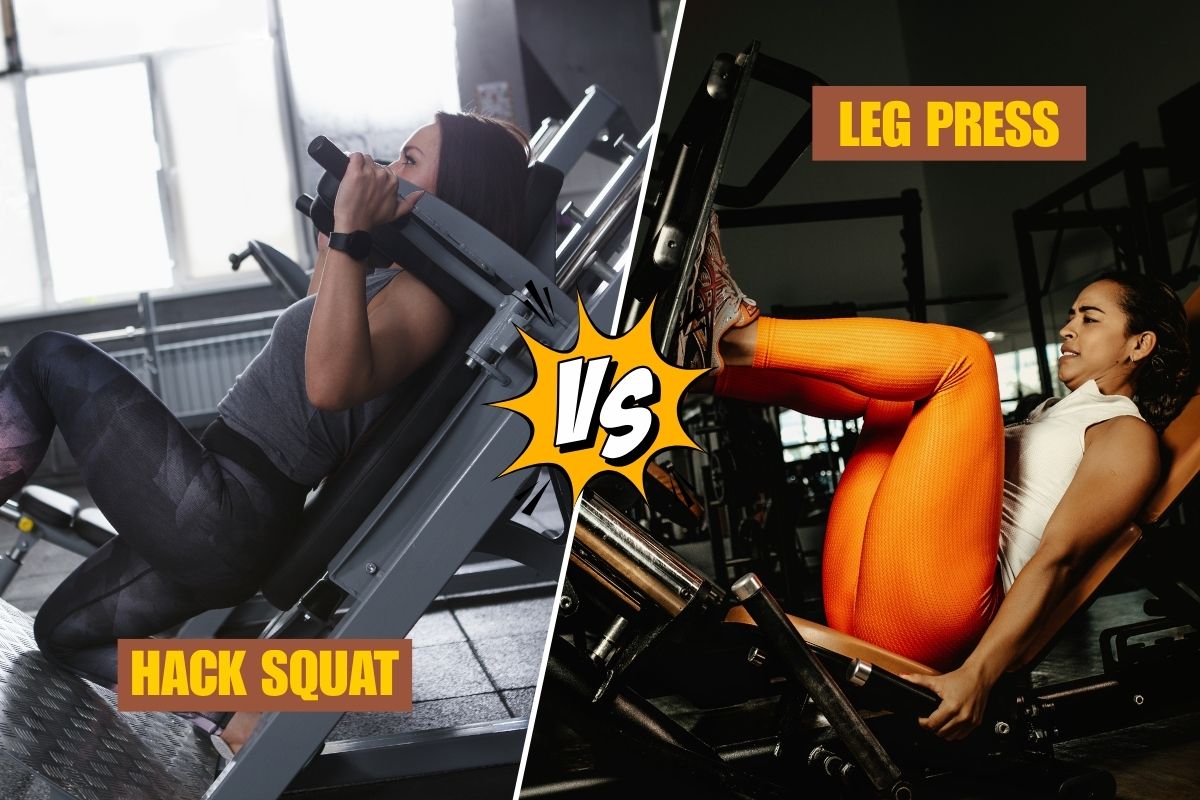
Walk into any commercial gym in the UK on a Monday evening, and the leg machines are usually the busiest spot in the building. There is a reason for that. When it comes to building massive quads and powerful glutes, the debate often boils down to two heavy hitters: the hack squat vs leg press.
While both machines allow for heavy loading without the balancing act of a barbell, they are far from being identical tools. In fact, picking the wrong one for a specific goal might be the reason those stubborn quads aren’t growing.
However, as of March 2026, the general consensus among elite strength coaches had changed. For decades, the leg press sat on top as the ‘ego lift’ until recent biomechanical data suggested that muscle fibre recruitment may actually not be quite as effective compared to its often-overlooked cousin, hack squats. Choosing between a hack squat vs a leg press depends on individual injury history, ankle mobility and whether functional strength or simply filling out a pair of trousers is the goal.
Key Takeaways
- Core muscle growth: The Hack Squat
- Best for Back Safety: Leg Press
- Core engagement: Hack Squat
- Beginner-friendly: Leg Press.
- Fatigue Management: Leg Press
Hypertrophy: Which Builds More Muscle?

Hypertrophy simply refers to the expansion in size of muscle cells (muscle fibres) – typically resulting from training using resistance which leads to injury (i.e., damage) and repair of those fibres (protein synthesis).
When looking at the hack squat vs leg press for hypertrophy, the evidence points toward the hack squat as the superior muscle builder for the average lifter. The main reason comes down to the range of motion.
Deep knee flexion is the secret sauce for leg growth. In a hack squat, the sled typically allows the knees to travel much further forward and down, often reaching 90 to 120 degrees of flexion. This creates a massive stretch on the quadriceps under load.
The leg press, by contrast, is often limited by the lifter’s own anatomy. Because the torso is folded toward the legs, the thighs eventually hit the chest or stomach, cutting the movement short at around 70 to 80 degrees. This “torso block” prevents the deep stretch that triggers stretch-mediated hypertrophy.
Furthermore, EMG studies often cited by UK fitness outlets show that muscle activation is roughly 15% higher in the hack squat because the body has to stabilise a moving torso, even though the machine provides a guided track.
Is Hack Squat Same as Leg Press?
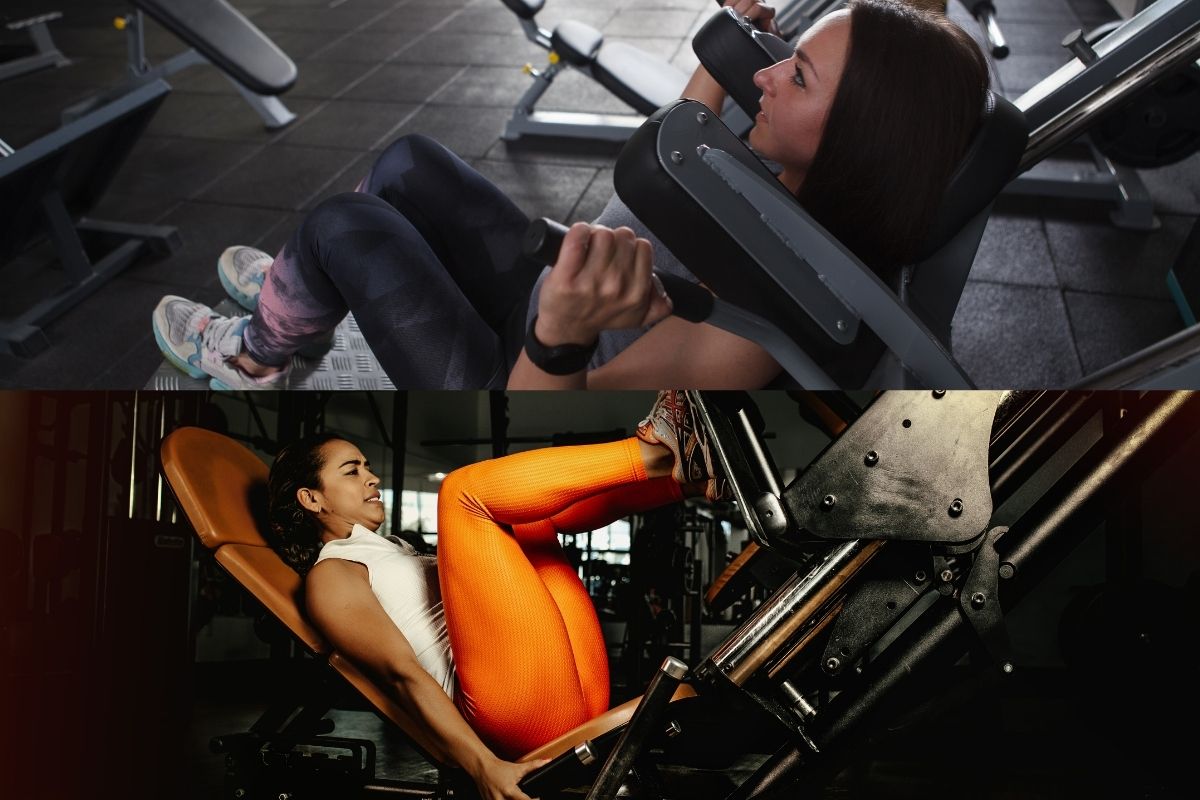
Many beginners walk into a gym and wonder, is hack squat same as leg press? The short answer is no. But while they are both knee-dominant movements on the rail, the mechanics of where that weight sits alter everything. In a hack squat, the weight sits directly on your shoulders. This compresses the spine a bit, similar to a traditional back squat, and keeps the core engaged to prevent the lower back from rounding.
In a leg press, the back is completely supported against an immovable seat. There’s no direct vertical pressure on the spine. As such, the leg press is an extremely safe “finishing” movement. Since the body does not have to expend energy maintaining the upright position, all of that power can flow directly to the legs.
It’s also worth mentioning that the hack squat is a closed kinetic chain movement as opposed to an open kinetic chain one, where your body moves, but your feet stay fixed. This motion is generally more natural and “functional” than the leg press, in which the body is stationary while the feet move the weight away.
Difference Between Hack Squat and Leg Press
The primary difference between hack squat and leg press lies in the stability and the target muscle groups. The hack squat is almost exclusively a quadriceps movement. Because the back is flat against the sled and the feet are usually lower on the platform, the knees stay forward throughout the rep. This places extreme tension on the vastus lateralis and the rectus femoris.
The leg press is more of a “jack of all trades.” By moving the feet higher on the plate, a lifter can shift the focus onto the glutes and hamstrings. This versatility makes it a staple for general leg development. However, the trade-off is the sheer weight. Most people can leg press two or three times what they can hack squat. While that looks great for a social media clip, the actual tension on the muscle is often lower because the mechanical advantage is so high.
The Breakdown: Comparison at a Glance
| Feature | Hack Squat | Leg Press |
| Main Target | Quadriceps (Heavy focus) | Quads, Glutes, Hamstrings |
| Spinal Loading | Moderate (Vertical) | Very Low (Supported) |
| Core Usage | Required for bracing | Minimal |
| Stability | Moderate | High |
| Technicality | Needs good ankle mobility | Very easy to learn |
| Safety | High (with catches) | Exceptional (to failure) |
Practical Training Recommendations for 2026
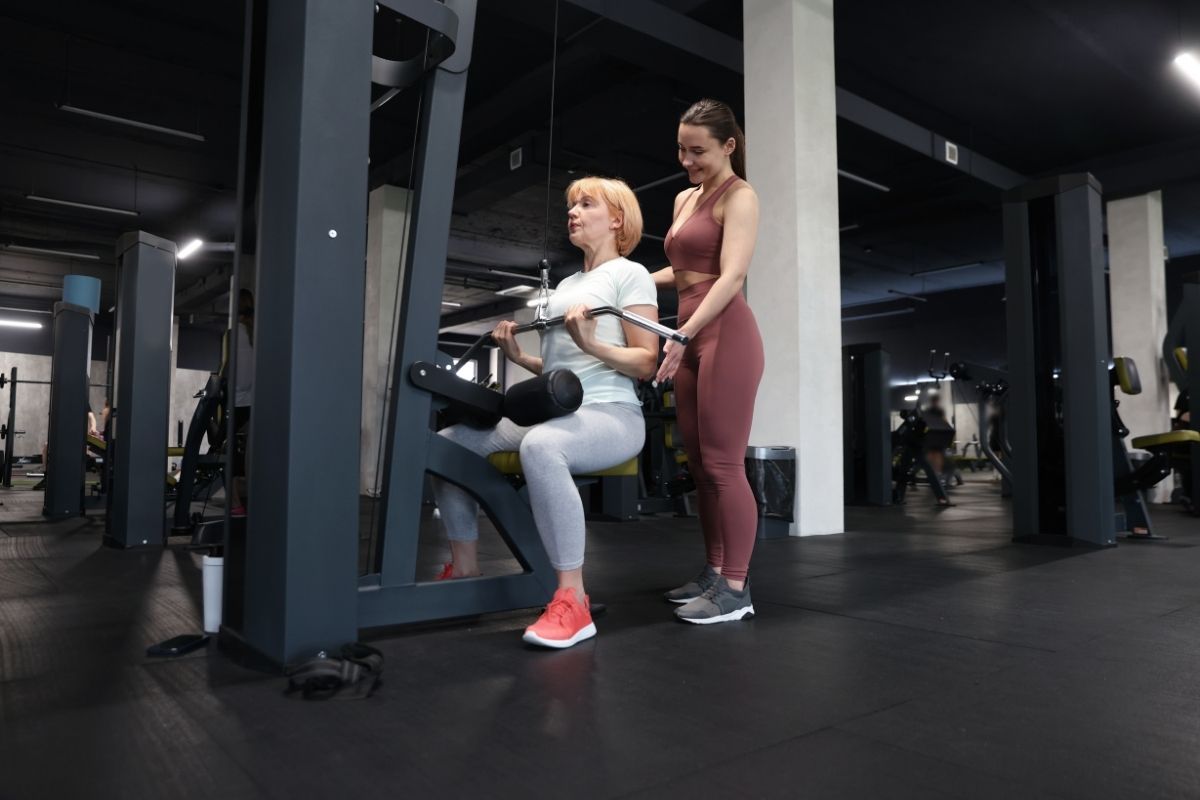
Current trends in UK bodybuilding favour a “primary and secondary” approach to leg day. Coaches recommend beginning a workout with the hack squat when the nervous system is fresh. By going for 8 to 12 reps using a two-second pause at the bottom, you can maintain maximum tension without requiring ego-crushing weights.
The leg press is then used as a secondary movement to push the muscles to absolute failure. Because there’s no risk of the torso caving in, a lifter can safely do high-rep “burnout” sets of 15 to 20 reps or even drop sets. This combo prevents fatigue while making sure that every fibre of every muscle in the lower body has been stimulated.
According to recent guides by KEFL UK, managing the lower back’s health is the most critical factor when deciding which to prioritise.
Quick Answer Box: Hack Squat vs Leg Press
- Which is better for quads? The hack squat. The deeper knee bend and vertical positioning force the quads to do more work.
- Which is safer for the back? The leg press. Since the weight isn’t on the shoulders, there is zero spinal compression.
- Can beginners do both? Yes, but the leg press is easier to master. The hack squat requires decent ankle flexibility to hit full depth.
- Should they be done in the same workout? They can be, but it’s often better to pick one as a main lift and use the other for high-volume work later on.
Final Word
Deciding on the hack squat vs leg press isn’t about finding a “perfect” machine. It is about understanding which tool fits the current physical state. If the lower back is feeling “dodgy” or tired, the leg press is a godsend for safe training. But if you want to build those big, sweepy quads that really catch the eye, the hack squat method is tough to beat. Both deserve a place in a diverse programme. Just make sure to leave the ego at the door and focus on the depth. Otherwise, those heavy plates are just for show.
FAQs
Why does my lower back hurt on the leg press?
This usually happens because the feet are too low or the sled is coming down too far, causing the pelvis to tilt off the seat (butt wink). Keeping the bum glued to the pad is vital for safety.
Do I need special shoes for hack squats?
Many lifters find that weightlifting shoes with a raised heel help. This allows for deeper depth if ankle mobility is a bit rubbish.
Is the hack squat harder than a normal squat?
In terms of balance, no. But in terms of pure quad isolation, it can feel much more intense because there is nowhere for the tension to escape.
Does the leg press build “real” strength?
It builds muscle mass and leg power, but because it doesn’t train the core or balance, it doesn’t transfer to daily life as well as a squat or hack squat does.
Recommended