If you’ve ever sat in a garage waiting area, listening to a radio that crackles more than it plays music, you’ve probably wondered the same thing as everyone else. How long does an MOT take, really?
Not the vague answer. The real one. The one that matches real life, real cars, and real delays.
Here’s the short version, up front. An MOT test in the UK usually takes around 45 to 60 minutes. That’s the average MOT test duration for a standard passenger car. Sometimes it’s quicker. Sometimes it drags on. And the reason it changes has very little to do with luck.
What An MOT Test Is And Why Time Varies
An MOT is a legal roadworthiness check required in the UK once your car turns three years old. It’s not a service, and it’s not a repair session. It’s a structured inspection carried out under DVSA rules, looking only at safety and emissions on that specific day.
People often ask how long is an MOT test is because they assume it’s one quick glance and a thumbs up or down. It isn’t. The tester works through a checklist that covers lights, tyres, brakes, suspension, steering, seatbelts, emissions, and warning lights. Each part takes time, even when everything passes.
That’s why the MOT test time UK garages quote usually sits close to an hour.
Why One MOT Feels Quick And Another Drags On
For most vehicles, how long does a car MOT take comes down to three things: the car’s condition, its age, and how busy the test centre is.
Two cars. Same garage. Same day. One is done before you’ve finished a biscuit, the other feels endless. That difference usually comes down to a few very ordinary things.
Vehicle condition is the biggest one. A car that’s looked after moves through the test with very little interruption. Lights work. Tyres are within limits. No warning lights are playing games on the dashboard. The tester checks, confirms, and moves on. When faults show up, everything slows. Not because anyone’s being awkward, but because every issue has to be measured, confirmed, and logged properly. A borderline brake reading or an exhaust reading close to the limit can easily add ten minutes.
The type of vehicle matters more than people think. Small hatchbacks are quicker to inspect simply because there’s less of everything. Less weight on the brake rollers. Less suspension underneath. Larger cars, SUVs, and especially vans take longer. Commercial vehicles often need extra attention underneath, and access alone can add time before the actual checks even begin.
The MOT test centre itself also plays a role. Busy garages running back-to-back bookings can’t always start exactly on time. If a car ahead takes longer, that delay carries forward. Appointment-based centres usually run more smoothly than walk-ins, but staffing levels and equipment availability still matter. If a brake roller or emissions machine is tied up, even a simple test can pause.
Then there are additional checks that quietly extend the clock. Diesel emissions testing often takes longer than petrol. Underbody inspections can slow things down if corrosion or leaks need a closer look. Modern cars also come with electronic systems that need confirming. Warning lights. Stability control. ABS indicators. Even when nothing’s wrong, verifying those systems takes time.
None of this is dramatic. It’s just the reality of how MOTs work.
What’s Actually Happening Around Your Car
Paperwork And Identity Checks
The tester doesn’t dive straight into poking around the car. First comes the boring but necessary stuff. Registration details. Mileage. Making sure the car in the system matches the one sitting in the bay. It’s quick when everything lines up. When it doesn’t, everything stops until it does. That’s just how it works.
Walking Around The Outside
This is the bit you can usually see from the waiting area. Lights flickering on and off. Indicators blinking. Someone crouched near a wheel longer than you’d like. Tyres get checked for tread and damage. Wipers get a quick go. Number plates get a glance. Most of the time, it’s over before you’ve finished a sip of tea. Unless something looks borderline. Then they slow right down and look again.
Inside The Car For The Small Stuff
Next, the tester climbs inside. Seatbelts get pulled hard to check they lock properly. The horn gets tapped. The ignition goes on and they watch the dashboard closely. Any warning light that hangs around when it shouldn’t tends to stretch this part out. Even if it’s nothing serious, it has to be treated like it might be.
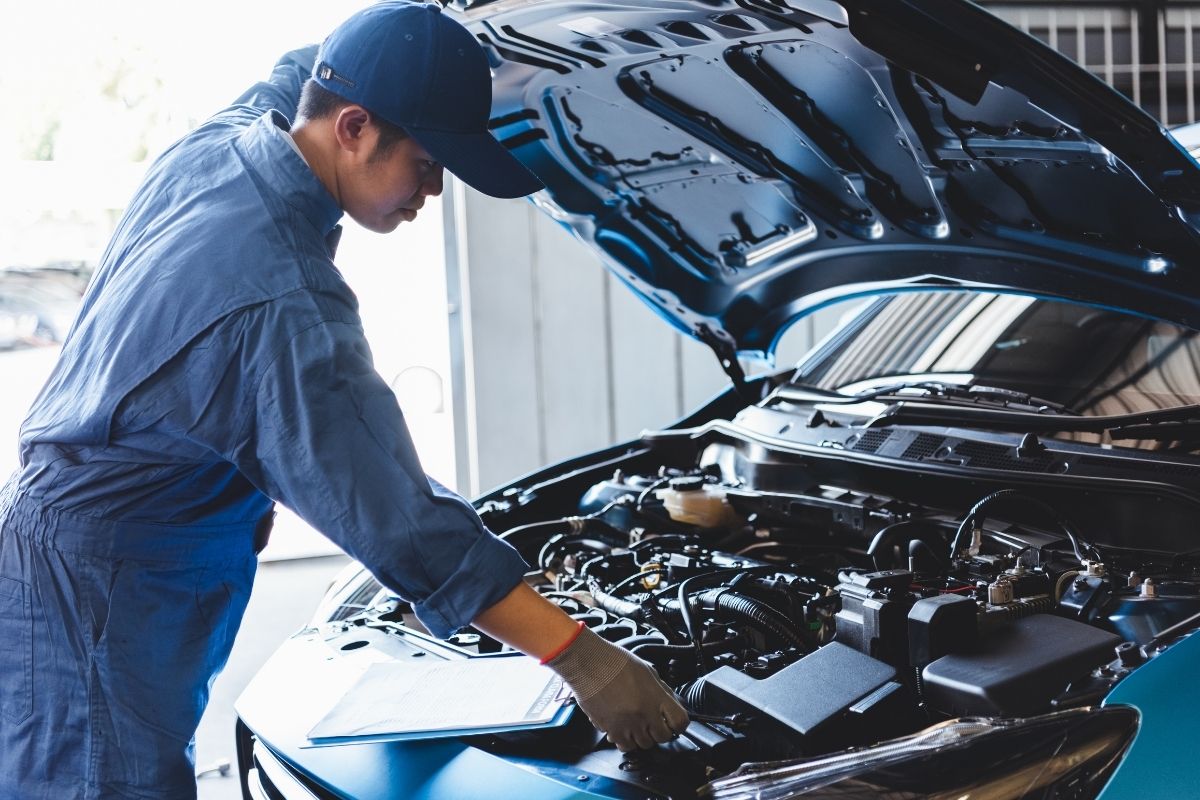
Bonnet Up, Quick Look Around
The bonnet goes up, and this part is quieter. They’re not fixing anything. Just looking. Leaks. Loose parts. Fluid levels they can see. If it all looks fine, it’s done quickly. If something looks a bit off, they take their time. No rushing here.
Brakes And Suspension Checks
This is usually the longest stretch. The car goes onto the rollers. Wheels spin. Machines make noises that never sound reassuring. Braking force gets measured. Suspension gets checked underneath. Heavier cars take longer. Vans take longer still. This is where a lot of tests either sail through or start to slow down.
Emissions Testing, If It Applies
Petrol and diesel cars go through emissions checks. Sometimes it’s one quick reading and done. Other times, the tester waits, checks the numbers, and tries again. Older cars or cars that haven’t had a good run beforehand often need a bit more patience here.
Results And Quiet Admin Time
Once the physical checks are done, there’s still a pause that people forget about. Results get logged. Notes get written. Certificates printed. That time counts too, even though the car’s already parked up. This is usually where you’re finally called over.
MOT Retest Time And What To Expect
If your car fails, the next question is usually about MOT retest time.
The good news is that retests are normally much shorter. For minor issues like lights, tyres, or wipers, a retest often takes 10 to 30 minutes. Many garages offer free retests within ten working days if the repairs are done there.
Major faults take longer to recheck, but even then, it’s not another full hour unless the car needs a complete reinspection.
Can You Wait While Your MOT Is Being Done?
Most garages are fine with you waiting while the MOT is carried out. That’s why so many of them have a small waiting area in the first place. If the car’s booked in properly and things are running smoothly, staying put is normal.
Timing is where expectations usually go wrong. Even if the MOT test duration is meant to be about an hour, it doesn’t always play out that cleanly. Mornings can run late. Saturdays almost always do. End of the month is a potluck. If the car before yours throws up an issue, everything after it shifts without warning.
Booked appointments generally go more smoothly. When you’ve got a slot, the garage has made room for you, which is why how long does an MOT appointment take often lines up better with the usual MOT test time UK garages talk about. Walk-ins are different. Sometimes you get lucky. Other times, you’re waiting because someone else’s car needed more attention than expected.
That’s just how workshops work. Cars don’t stick to schedules, even when people try to.
Why Preparation Saves Time
Here’s the part most people skip. A quick check before your test can shave time off the process. Make sure all lights work. Check tyre tread. Top up the washer fluid. Look at the dashboard for warning lights.
Cars that pass quickly usually aren’t lucky. They’re prepared.
Ignoring obvious issues doesn’t just risk a fail. It often adds time, because the tester has to double-check and document faults properly.
What Happens If Your Car Fails?
If your car fails, it will be marked with minor, major, or dangerous faults. Minor faults don’t stop you from driving. Major faults usually do, unless you’re going straight to repairs. Dangerous faults mean the car shouldn’t be driven at all.
A failed test doesn’t change how long the initial MOT takes, but it does extend the total time you’ll spend dealing with it. Repairs plus retest mean extra trips and extra waiting.
Electric And Hybrid MOT Timing
Electric cars tend to move through an MOT a bit quicker, and there’s a simple reason for that. There’s no emissions test to wait on, which cuts out one whole chunk of time. There’s also less going on mechanically. No exhaust system to inspect. Fewer moving parts underneath. That doesn’t mean the test is rushed, just that there’s less to slow it down.
Hybrids sit somewhere in the middle. They still need emissions testing, so they don’t skip that stage, but many of them pass without much fuss, especially newer models that haven’t clocked up huge mileage yet. Older petrol and diesel cars are more likely to need repeat readings or extra checks, which is where time starts slipping.
So if you’re driving electric and wondering how long does an MOT appointment take, it’s often on the shorter side. Around forty minutes isn’t unusual. Not guaranteed, of course, but it’s common enough that most EV owners notice the difference after a year or two.
It’s one of the quieter perks of going electric. Nothing flashy. Just a bit less waiting around.
Why Getting The MOT Timing Right Actually Matters
An MOT certificate lasts 12 months, and that part’s straightforward. What catches people out is timing. You’re allowed to book the next test up to one month early and still keep the same renewal date. Miss that window, and the clock resets. It sounds small, but it can throw off future planning if you’re not careful.
Driving without a valid MOT is where things get messy. Even if the car feels fine, it’s still illegal. You can be fined, and more importantly, insurance can become a problem. If something happens while your MOT has expired, insurers have been known to take a very dim view of it. That’s not a conversation anyone wants to have after the fact.
There’s also the stress factor. Leaving it until the last day gives you no room to breathe. If the car fails, you’re suddenly juggling repairs, retests, and travel plans. Booking early doesn’t just protect you legally. It buys you time. And in real life, that’s usually the most valuable thing.
So, What Should You Expect Overall?
For most drivers, the answer to how long does an MOT take stays simple. Around an hour. Sometimes a bit less. Sometimes a bit more. The car’s condition, the type of vehicle, and how busy the garage is all play a part.
If you want things to move faster, book ahead, avoid peak times, and check the basics before you go in. Lights, tyres, warning lights. Small things make a big difference.
Most MOTs aren’t dramatic. They’re just part of owning a car in the UK. And once it’s done, there’s a quiet relief in knowing you’re sorted for another year. Until next time, anyway.
Frequently Asked Questions
Can an MOT take longer than an hour?
Yes, it can. While the usual MOT test duration is about 45 to 60 minutes, older cars, busy garages, or checks that need repeating can push it over an hour. It’s not unusual, just inconvenient.
How long does an MOT take if the car fails?
The initial test still takes roughly the same time. What changes is everything after. Repairs, waiting for parts, and then the MOT retest time, which is often shorter but depends on what failed.
Is an MOT quicker with an appointment?
Almost always. Booking ahead means the garage plans staff and equipment around your slot. So when people ask how long does an MOT appointment take, the answer is usually closer to the standard MOT test time UK garages quote.
Can I get my MOT done the same day?
Often, yes. Many garages offer same-day testing, especially midweek. Just don’t assume. Busy periods fill up fast.
How early can I book my MOT?
You can book it up to one month minus a day before it expires without losing your renewal date. That early window is useful if you want flexibility.
How long is an MOT test for electric cars?
Usually a bit quicker. No emissions test means fewer checks, so the total time is often on the lower end of the scale.
How long does a car MOT take if I wait there?
Plan for about an hour. Even if the inspection finishes sooner, paperwork and small delays still count as part of the overall time.