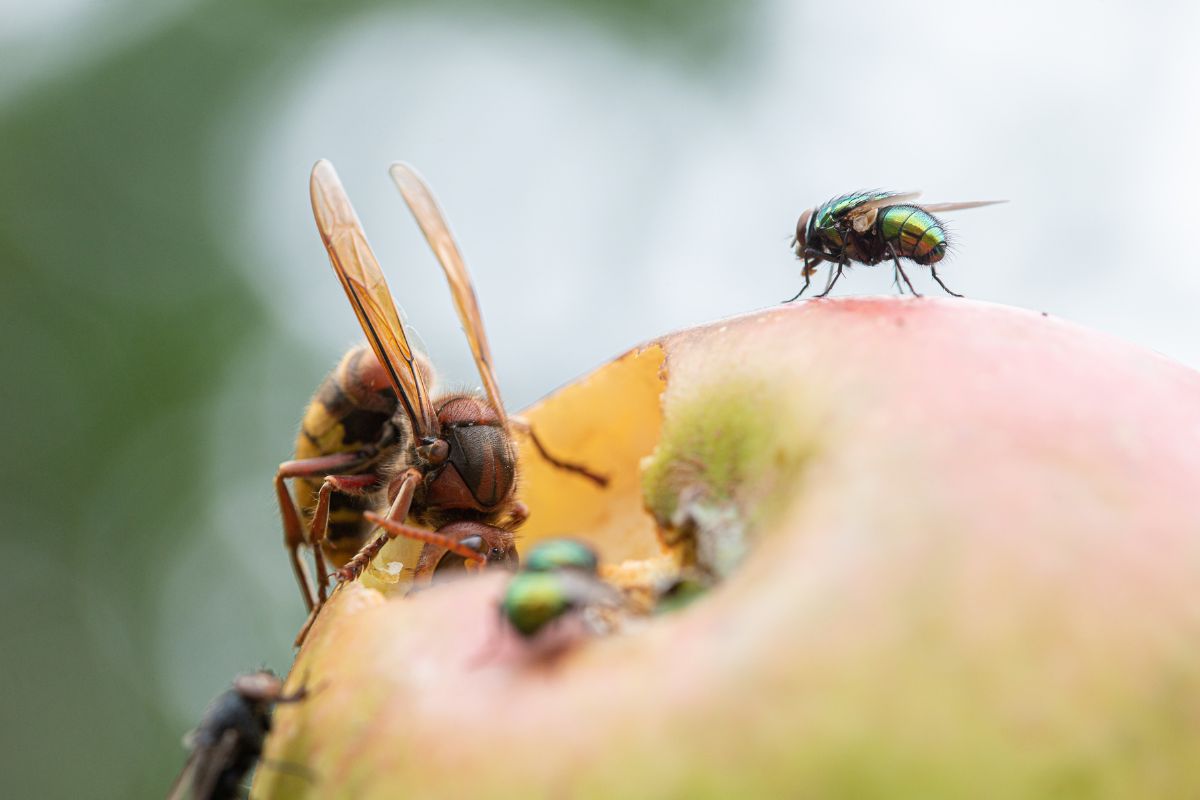
Fruit flies are easily one of the most annoying pests you’ll find in a home. They appear suddenly and breed quickly. Their scientific name is Drosophila melanogaster. These small insects love fermenting or ripening fruits and vegetables, especially anything sweet. To reclaim your kitchen and keep pests away, it’s important to understand their behaviour. Then, you can find effective ways to eliminate them.
Understanding the Problem
Fruit flies breed in a short period; one female can lay as many as 500 eggs at one time. The eggs hatch in as little as 24 to 30 hours. Their whole life cycle, from egg to flying adult, takes about a week under favourable conditions; hence, the reason a small problem with fruit flies escalates into an infestation. They are drawn to carbon dioxide and organic material from fermentation. Their main target is kitchens.
Immediate Steps to Take
To get rid of fruit flies, start by removing their breeding spots. Check your kitchen for overripe, bruised, or rotten fruits and vegetables. Then, throw them away. Check the spots you often miss: under fruit bowls, behind the fridge, under appliances, and in bins. A small bit of forgotten fruit can attract many fruit flies.
Clean all food preparation or eating areas. Counters, tables, and cabinet interiors should be wiped with warm, soapy water. This helps remove sticky spills, especially from fruit juice, wine, beer, or soda. Fruit flies can breed in this thin film that is left in the wake of these liquids.
Not to be overlooked are the drains: With both kitchen and bathroom drains, there is a common buildup of organic matter on which fruit flies can lay their eggs. Daily for several days, put boiling water down your drains or blend baking soda and vinegar with hot water for an effective clean. Those problem drains have the option of manual cleaning by using drain brushes.
Also Read: How to Choose the Right Skip Size for Your Pinner Home Renovation
Effective Trapping Techniques
Homemade traps are cheap to make and work well to catch adult fruit flies. The most common trap uses apple cider vinegar, which flies can’t resist. Pour about an inch into a jar or container. Then, add a drop of dish soap to break the surface tension. Cover the container with plastic wrap. Use a toothpick to poke small holes in the wrap. Flies can enter through the holes but can’t escape.
Clean up after cooking. For example, wash the dishes right away. Don’t leave dirty dishes in the sink overnight. Food particles in water attract fruit flies. Frequently clean pet food and water bowls, and also do not leave wet pet food for too long.
Long-Term Solutions
If some methods have been tried and success is not occurring, then the problem may be larger than typical fruit flies. Drain flies and fungus gnats are different in treatments; proper identification is necessary. In extreme cases, professional pest control services can identify what species are involved exactly and apply the right treatment accordingly.
Conclusion
They help with sanitation, removal, and prevention. You can get rid of them by removing breeding sites, trapping adult flies, and staying clean. These steps also help in preventing their future manifestations. Be persistent: Fruit flies breed fast, so sticking to your prevention routine helps in them away. Keep your kitchen free from fruit flies all year with patience and care.
Frequently Asked Questions
Q: How fast can I eliminate the fruit flies?
Most of the adult flies disappear after one week if well cleaned up and trapped. Prevention must continue for 2 weeks to fully break the breeding cycle.
Q: Why do I have fruit flies when there’s no fruit around?
They breed in drains, trash cans, recyclables, mop water, and areas with decaying organic matter. It’s not just fresh fruit.
Q: Are fruit flies dangerous?
They don’t bite, but they can carry bacteria from dirty surfaces to your food. This can contaminate it.
Q: Where do fruit flies actually come from?
The adult flies lay microscopic eggs on fruits and vegetables, primarily on the surfaces of injured tissues. They do not spontaneously appear inside fruit-you transport them home from the grocery store.
Q: Fruit flies versus gnats-what is the difference?
Tan-colored fruit flies have red eyes and can ferment food. Fungus gnats are darker, and they live in the soil of plants. Drain flies are fuzzy in nature; they have a moth-like appearance.