It’s a funny question, isn’t it? The sort that pops up late at night when the radio’s on low volume and someone suddenly says, “Hold on… where does George Michael actually rank?” Not in a trivia-quiz way. More like a genuine pause. Because his music isn’t just something people listen to. It’s something people lived through. First dances. Break-ups. Road trips where the cassette got rewound so many times that the tape almost snapped. You don’t get that kind of attachment from an average singer.
And yet the debate keeps going. Is he top ten? Top twenty? “Great, but not quite there”? We all seem to have a different list of it stored away somewhere in our heads. Music isn’t athletics. Nobody has a stopwatch; nobody stands at the finish line. You can’t take goosebumps’ measurements with a ruler. So when someone asks if George Michael is one of the 10 best singers ever, they’re really asking if his voice and songs still matter decades later. Whether he still looms large when you line him up beside the giants.
Some people answer instantly. Others hesitate. That hesitation says a lot.
The Voice That Didn’t Need Studio Tricks
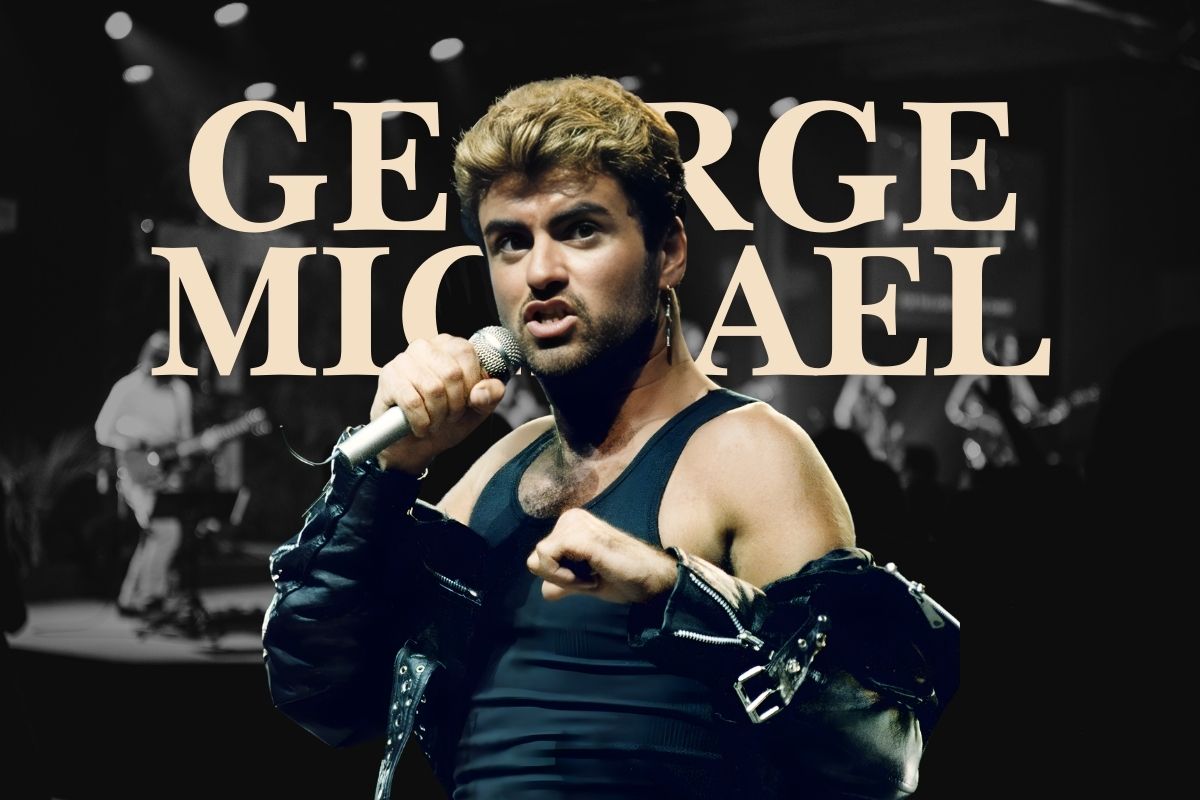
Listen to a live recording of George Michael from the late eighties, and something becomes obvious fast. The man could actually sing. Not just hold a tune, but control it. Swoop from airy falsetto to meaty chest voice without tiring or straining. He is frequently cited by music analysts as a lyric tenor with a range spanning approximately three-and-a-half octaves. That’s not a casual compliment. That’s trained-singer territory.
BBC Music archives are full of live performances where he sounds, if anything, stronger than the studio versions. There were no auto-tune-era safety nets back then. If your voice faltered, it did so in front of millions of listeners. He rarely did. His breath control and phrasing often get compared to soul singers rather than pop stars, which says a lot about how musicians themselves rate him.
The Numbers That Keep Appearing In Every Argument
Charts don’t decide greatness, but they do give clues. Per Official Charts UK, George Michael had seven solo number-one singles and seven number-one albums in the United Kingdom. Add his work with Wham! and the tally climbs further.
That’s not a brief flash of popularity. That’s sustained presence across years when music trends were shifting quickly.
Then you have global lists. Rolling Stone listed him as the 62nd greatest singer of all time in their 2023 ranking. That was too low, according to some fans. Others shrugged and said global lists are always messy because they’re comparing artists from different eras, genres, and audiences. Fair point. Still, even appearing on that list puts him in a crowded hall filled with heavyweights.
What’s interesting is that UK public polls often rank him higher than international critics do. Smooth Radio’s listener-voted lists regularly feature multiple George Michael songs near the top, sometimes ahead of artists who sold more records worldwide. That gap between critic opinion and public affection tells its own story. Critics measure technique and influence. The public measures connection.
And he’s still winning, even now, in 2026. On May 5, 2025, Smooth Radio’s All Time Top 500 announced that “Careless Whisper” had retained its title as the UK’s best-loved song for an unprecedented seventh year in a row.
Also Read: Who Are the Top 10 Nicest Celebrities You’d Actually Want to Meet
The Wembley Night People Still Talk About
There is one performance that I can’t get out of my mind. April 1992. Wembley Stadium. The Freddie Mercury tribute concert. George Michael struts out and sings “Somebody to Love”. No elaborate gimmicks. Just voice and band. The crowd knew the stakes.
The mere thought of stepping into Freddie Mercury’s shoes, even for a brief period, evokes fear. But George didn’t just sing; he owned the stage at Wembley in ‘92.
And yet he didn’t shrink. He didn’t try to imitate Mercury either. He brought his own tone and his own phrasing and somehow balanced respect with individuality. Many fans still call it one of the strongest live rock vocals ever delivered by someone who wasn’t the original singer. Even people who aren’t die-hard fans tend to admit it was special. That single performance alone gets mentioned whenever the “top ten” conversation starts heating up.
More Than A Voice, He Wrote The Songs Too
It’s easy to overlook the songwriting side. George Michael wasn’t just interpreting other people’s material. He wrote a large portion of it himself. “Faith”, “Father Figure”, “Praying for Time”… These weren’t disposable pop tunes. They had perspective. They reflected fame, loneliness, relationships, and social pressure without sounding preachy.
He didn’t release albums every year, which sometimes counts against him in debates about productivity. But the quality per release stayed consistently high. He was the recipient of multiple Ivor Novello Awards, which means quite a lot in the U.K., as they’re judged and awarded by industry professionals rather than through fan voting. That sensibility moves the conversation from popularity into craftsmanship.
Influence Beyond Charts And Awards
Another layer people bring up is cultural impact. After he passed on that quiet Christmas Day in 2016, the stories started coming out. George Michael was a secret philanthropist: he gave large donations to charity, including Childline and the Terrence Higgins Trust, with few public fanfares at the time.
Many of these acts came to light only much later. He was an outspoken face for LGBTQ+ acceptance in a time when it wasn’t always welcome on mainstream pop culture’s doorstep. That visibility mattered.
When people talk about all-time greatness, they’re not only counting records sold. They’re looking at the footprint. Did this person shift conversations? Did they stand for something? In George Michael’s case, the answer leans toward yes. His influence reached beyond radio playlists into real social spaces.
There were tales of how he once left a barmaid thousands in tips since she was a student nurse with debts. This caring seeped into his music.
When you listen to “Jesus to a Child”, you’re not simply hearing a pop song; you’re hearing someone negotiating deep sorrow. That honesty is why he stays in the top 10. You can’t fake that kind of connection.
Also Read: Top 10 Famous Alto Vocalists Who Made Deep Voices Truly Brilliant
The Verdict: Does He Make the Cut?
Here’s the honest answer. Technically, he had the vocal skill. Statistically, he had the chart success. Culturally, he had influence and longevity. The sticking point usually comes down to competition. When global top-ten lists appear, names like Aretha Franklin, Whitney Houston, Stevie Wonder, and Freddie Mercury show up quickly. That’s elite territory. Some lists place George Michael just outside the top ten; others slot him firmly inside, depending on the criteria.
In Britain, the conversation tilts strongly in his favour. Public opinion surveys and listener polls consistently rank him among the most liked artists long after his peak years. That kind of sustained affection is rare. It suggests his music didn’t just succeed. It stuck.
So is George Michael one of the top ten singers of all time? On a purely global scale, he’s almost always top twenty and often top ten, depending on who’s making the list. On a British scale, he sits comfortably among the very best without much dispute.
And maybe that’s the real takeaway. When an artist continues to spark debates years after their last album, continues to appear on playlists across generations, continues to be rediscovered by people who weren’t even born during their peak… they’re clearly standing in a very small circle whether someone places him at number eight or number twelve starts to feel like splitting hairs.
Because at the end of the day, the songs still play. The voice still holds. And people still argue about it. Not a bad legacy to leave behind, really.
Recommended