
Right, let’s get one thing straight. Forget the Hollywood version where someone clutches their chest, lets out a dramatic gasp, and collapses instantly. Real life is rarely that tidy. Most heart attacks start with someone sitting on a sofa, looking a bit “off,” and telling you they’ve got a touch of indigestion.
It’s late February 2026. Heart Month is in full swing across the UK. But despite all the fancy NHS posters, people are still dying because they’re too polite to “make a fuss.” Look, if you’re wondering what to do if someone is having a heart attack, the answer isn’t “wait and see.” It’s an action. Messy, fast, and slightly panicked action.
The Immediate 999 Call

The very first thing you do? Grab your phone and dial 999. Don’t call their GP. Don’t call their sister. Inform the operator that you think it might be a heart attack. In medicine, there’s an adage: “Time is muscle.” Every minute that blood flow is cut off, more of the heart muscle is literally dying. You can’t get that back.
Once the ambulance is en route, you need to place them into the “W” position. The majority of people make the mistake of putting the person on their back, lying flat on the floor. Don’t do that. It makes it more difficult for them to breathe and places greater strain on the heart. Instead, have them sit on the floor, propped against a wall or heavy sofa. Bend their knees up. From the side, it resembles a W. It is the only safe way to hold them steady.
Provided they have no allergy, administer a 300mg aspirin. But here’s the gimmick—they’ve got to chew it, not swallow it whole. If chewed, the medicine enters the bloodstream within seconds, where it may begin thinning the blood so that it can slip past whatever clot has caused a blockage.
Also Read: Are Olives Good for You and Your Daily Diet? The Honest Truth
Why 2026 is Different: The “Silent” Symptoms
The thing is, symptoms in 2026 aren’t what they used to be—or at least, our understanding isn’t. According to the latest NHS Heart Attack Guide, we’re seeing a massive rise in “atypical” signs, especially in women.
Honestly, I’ve seen patients who just felt incredibly tired or had a weird ache in their jaw. They thought it was stress. It wasn’t. If someone suddenly is sweaty, pale and has a feeling of “impending doom,” that’s a huge red flag.
The British Heart Foundation has been campaigning hard this month as a reminder that it’s not always painful in your chest. Sometimes it is just a weighty sensation in the arms or, suddenly, an unexplained wave of nausea. If it seems “wrong,” it’s an emergency. Simple as that.
Heart Attack vs. Cardiac Arrest: Don’t Mix Them Up
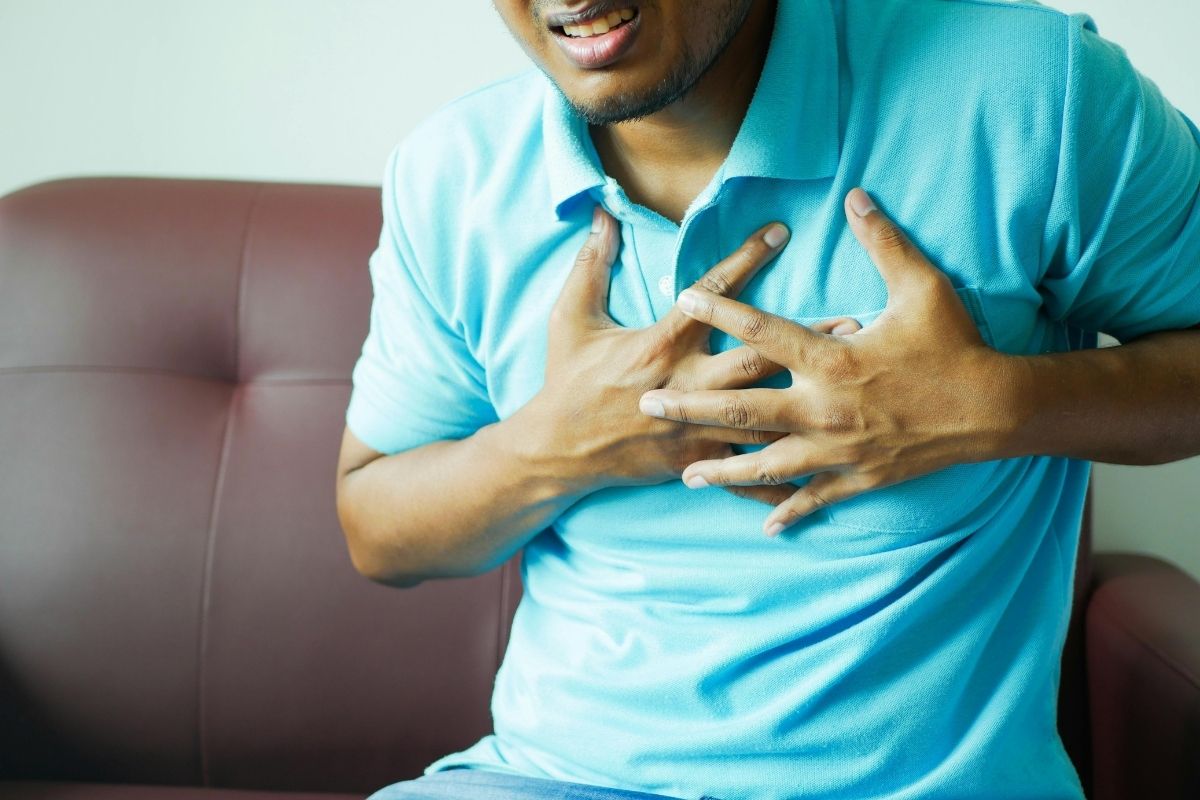
This is where it all gets confusing for people. A heart attack is a plumbing problem. The heart is still beating, but there’s a blocked pipe. The individual is typically awake, speaking (or complaining).
A cardiac arrest is an electrical malfunction. The heart stops dead. The person falls down, stops breathing, and turns blue. And if that happens, the aspirin is worthless. You need to start CPR.
The BHF has recently launched a tool known as RevivR. It’s a 15-minute online training course that went viral across the UK this February. It shows you how to perform chest compressions to the rhythm of “Stayin’ Alive.” It’s 2026 — no excuse not to know this stuff.
And look, if you’re in a public place, find a defibrillator (AED). You’ll find them in Tesco pharmacies, train stations, and even some local parks now. You don’t need a degree to use one; you just turn it on, and the machine tells you exactly what to do. It’s basically foolproof.
| Feature | Heart Attack (Plumbing) | Cardiac Arrest (Electrical) |
| What’s happening? | A blocked artery stops blood from reaching the heart muscle. | An electrical glitch causes the heart to stop pumping entirely. |
| Is the person awake? | Usually, yes. They’re conscious, talking, and often in pain. | No. They collapse suddenly and are completely unresponsive. |
| Are they breathing? | Yes, though it might be shallow or difficult. | No. They stop breathing or make weird, “gasping” noises. |
| The Symptoms | Chest pain (tightness/pressure), sweating, nausea, and pain in the jaw or left arm. | Sudden collapse, no pulse, and no response to touch or shouting. |
| Immediate Action | Call 999. Get them into the “W” position and give 300mg of aspirin to chew. | Call 999. Start CPR immediately and use a defibrillator (AED) if you can find one. |
| The Risk | If left untreated, the heart muscle dies. It can lead to cardiac arrest. | Brain damage starts in minutes. Without help, it is fatal. |
The Tesco Blood Pressure Check
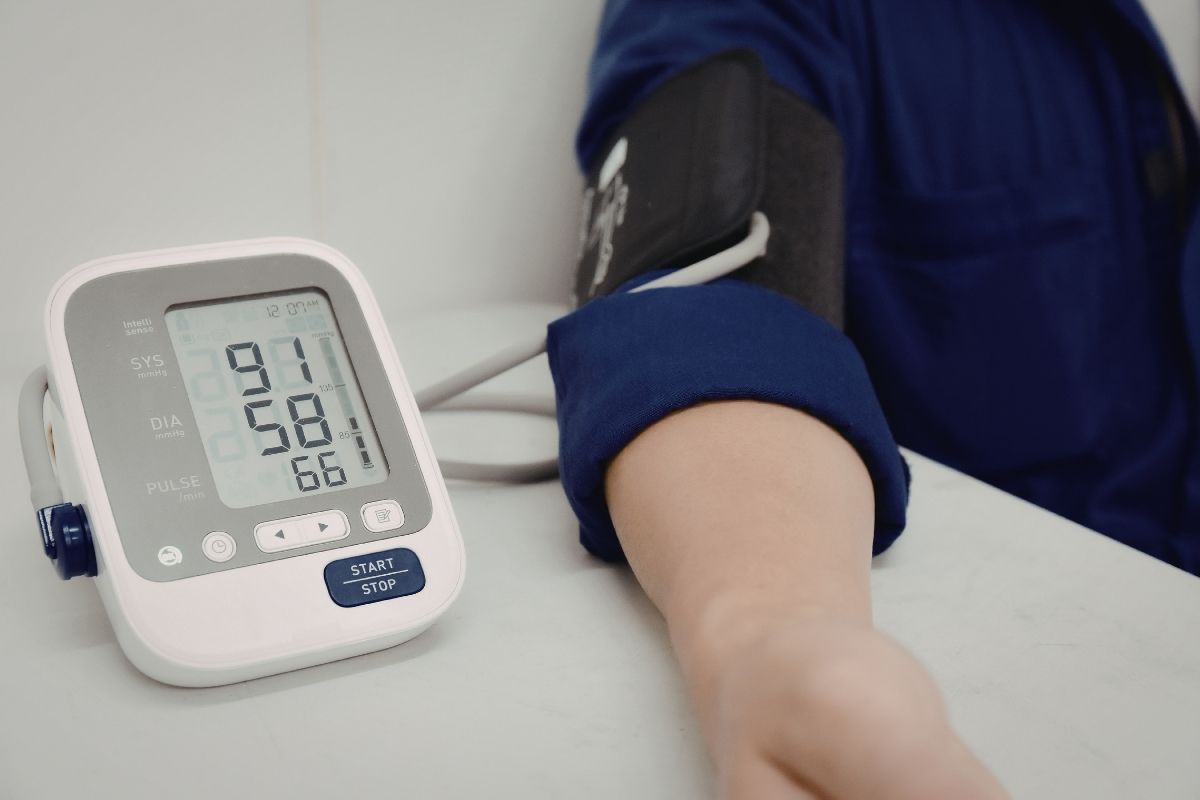
Anyway, if you want to avoid this whole nightmare, pay attention to the “silent killer”—high blood pressure. This month, Tesco and the British Heart Foundation have teamed up to offer free 10-minute blood pressure checks at over 350 Tesco Pharmacies.
The crazy part? About 5 million people in the UK have high blood pressure and don’t even know it. It doesn’t have symptoms until it’s too late. While you’re picking up your milk and bread, just pop into the pharmacy. It’s 10 minutes that could literally stop you from needing that 999 call in the first place.
Also Read: The Weight Regain Crisis: What Happens When You Stop GLP-1 Medications
Emergency Action Plan: What To do if Someone is Having a Heart Attack
| Action | Why You’re Doing It |
| Call 999 | You need pros with a defibrillator and drugs ASAP. |
| The “W” Position | Sitting up with knees bent makes breathing easier. |
| Chew 300mg Aspirin | Thins the blood to help bypass the blockage. |
| Stay Calm | If they panic, their heart rate spikes. Keep it low. |
| Find an AED | Have it ready in case their heart actually stops. |
The Bottom Line
Listen, saving a life isn’t like in the movies. It is sweaty, it is loud, and it’s terrifying. But knowing what to do when someone is having a heart attack can mean the difference between a funeral and recovery.
We have the best tech in the world in 2026, but it doesn’t matter if a bystander is just standing around frozen. Don’t be that person. Make 999 calls, put them in the “W” position and give them the aspirin. So when you next visit your local shop, are you going to look to see where the defibrillator is or just walk past it?
Also Read: Ten Days to Lose Chest Fat? Here’s What Actually Works for Blokes
Frequently Asked Questions
Can I give them a glass of water?
No. If they need surgery later, the doctors need their stomach empty. Keep them nil by mouth except for that one aspirin.
What if they refuse to go to the hospital?
Yeah, this happens a lot. People are stubborn. Say it’s so you can be at peace of mind. And if they’re showing signs, don’t take no for an answer. Call the ambulance anyway.
Is it a heart attack if the pain goes away?
Sometimes. It’s called unstable angina. That means the blockage is “wobbling”. And it remains a huge, huge warning sign that the big one’s coming. Get them checked out.
Where is the nearest defib?
Most UK cities now use the Circuit network. You can check on your phone, but honestly, look for the bright yellow or green boxes on the walls of supermarkets or community centres.
Sources & Real-World Info
- NHS Live Guide: How to Spot a Heart Attack
- British Heart Foundation: Free Life-Saving Training (RevivR)
- St John Ambulance: First Aid Steps for Heart Attacks
- Tesco Health: Find Your Nearest Blood Pressure Clinic