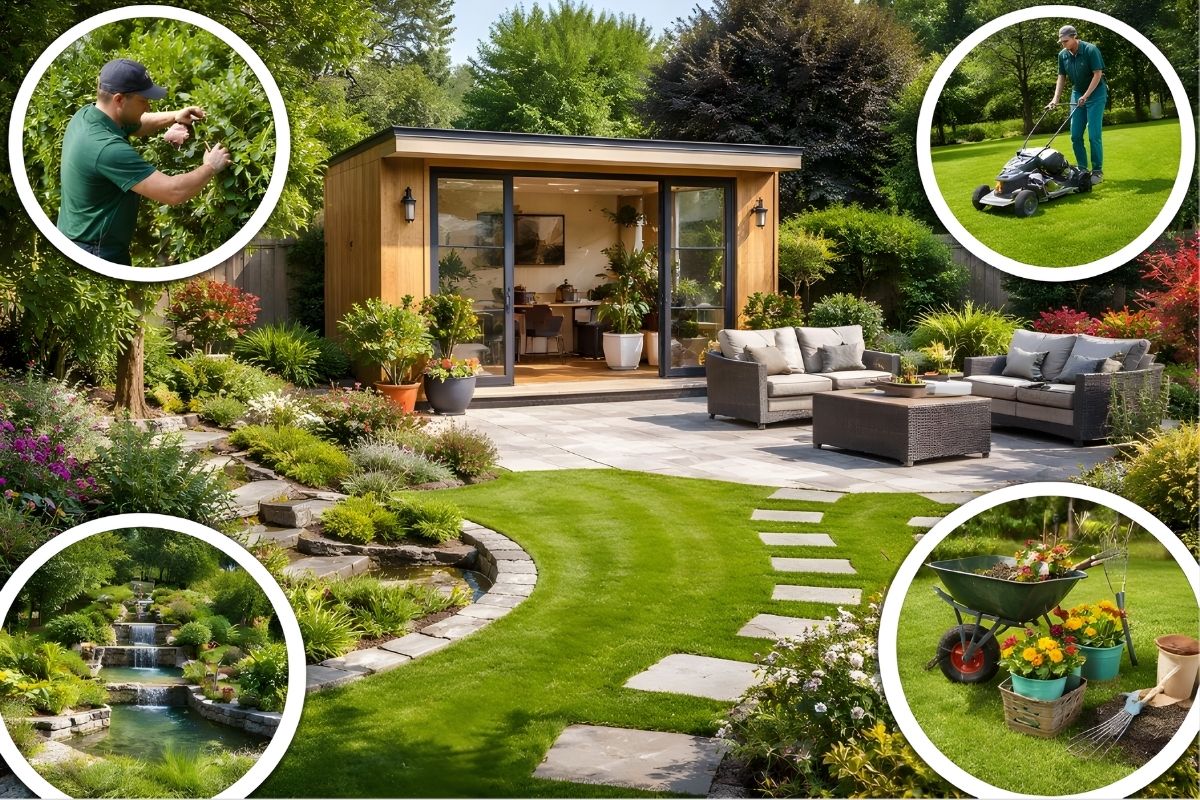
In an era where technology is a part of life, high-tech gardens have become a common aspect preferred by many homeowners. These gardens have changed the way we grow plants, as the implementation of AI and IoT has led to productive green spaces.
Are you a gardening enthusiast? If so, then be ready to add some greenery to your home with innovative solutions of smart gardens. These spaces combine beauty, innovation and functionality to revolutionise the way homeowners connect with outdoor spaces.
What are Smart Gardens?
It’s all about automation and optimisation in plant care. Right from a self-watering system to an AI-driven plant monitoring system, smart gardens are here to minimise efforts while taking good care of plants. These gardens are highly beneficial for urban dwellers, working professionals with less time to maintain gardens and individuals who are new to gardening.
In smart gardens, homeowners can control colour, brightness and timings through voice control or mobile apps. This way, they can enhance the visual appeal of the gardens and can improve usability during darker months.
Many smart garden care services provide robotic lawnmowers and sensor-based tools. This new technology has allowed homeowners to follow a ‘set-and-forget’ approach and get rid of time-consuming chores while keeping their gardens well-maintained.
Cutting-edge Technology Shaping Smart Gardens
Automated Watering System
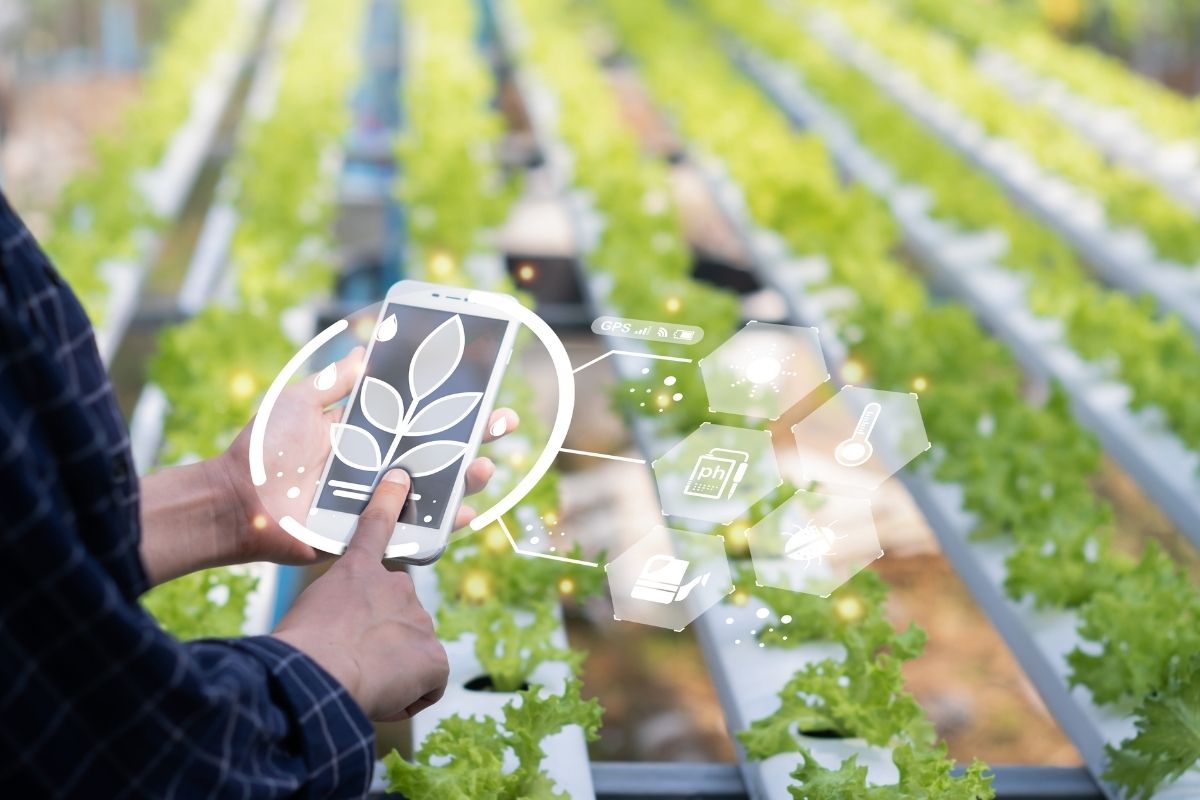
In traditional gardening, continuous monitoring is required to avoid overwatering or underwatering. With smart irrigation system services like Garden Rooms 365, homeowners can control drip irrigation through smartphone apps. This system employs a soil moisture sensor to detect the water level in plants and deliver the right amount of water to them. Some advanced models can even customise the watering activity as per weather forecasts.
AI-powered Plant Monitoring
Many AI-powered plant care systems take note of soil humidity, temperature and light levels through sensors. Some devices can even detect plant diseases to suggest preventive measures.
Hydroponics and Aeroponics
Soil-free gardening through hydroponics and aeroponics systems is another popular trend. These smart gardens nourish plants with nutrient-rich water or mist to let them grow fast, even with less water.
IoT-enabled Smart Planters
Smart planters backed with IoT technology can easily sync with mobile apps to deliver the real-time health condition of plants. Accordingly, they can adjust light, water and nutrients as per present conditions, making plant growth nearly effortless.
LED Smart Grows Lights
Many homeowners prefer indoor gardening, and for them, LED smart grow lights are a boon. These lights can customise their spectrum based on the plants’ requirements for proper photosynthesis in plants. Some lights can even simulate natural sunlight for healthy growth.
The Benefits of Smart Gardens

- Comfort: No need to take care of plants daily; thus, gardening has become accessible to everyone.
- Water conservation: Smart gardens save water, as plants will get only a precise amount of water. This reduces water wastage.
- Sustainability: Smart gardens adopt eco-friendly practices to reduce environmental impact. Also, many homeowners give preference to native species that demand less water.
- Year-around growth: Controlled environment facilitates fresh growth irrespective of season or climate.
Improving Wellbeing with Soothing Designs
The focus of today’s smart gardens remains on mental and physical well-being. They have now become peaceful retreats to unwind, relax and connect with nature.
Sit in the lap of nature with aromatic plants like jasmine and lavender, and calm your soul with shaded sitting areas to relax the mind. These gardens are gaining popularity in urban areas where the presence of green spaces will lead to a better quality of life.
Increasing Property Value
The smart garden story is not only limited to aesthetic and comfort- it also adds value to the property. Well-designed gardens can significantly improve market appeal. Potential buyers prefer homes with garden rooms, smart lighting and outdoor landscape.
The Future of Smart Gardening
With the evolution of technology, smart gardens may come up with sophisticated AI tools, blockchain to track organic produce, and robotic assistance for planting and harvesting. The fusion of biotechnology with smart gardens may lead to personalised plant gardening as per the DNA analysis to optimise DNA intake for individuals.
In future, homeowners can take advantage of personalised water schedules and recommended plant choices suitable for particular weather conditions.
Also, focus will always remain on sustainability and well-being. Future gardens will be smart, resilient and green. They will be beneficial to both mankind and the planet.
Conclusion
Smart garden design and maintenance have brought a new change in the UK homes by blending sustainability, technology and lifestyle needs. These new smart gardens are environment-friendly, easy to manage and are well-suited to contemporary living.
Smart gardens are transforming outdoor spaces into enjoyable areas where you can spend quality time with your family. With advanced technology and eco-friendly initiatives, these gardens are not only limited to your backyards- they are modern areas to add comfort and convenience to your living.
Recommended