
The festive season has a habit of arriving with more than twinkling lights and packed diaries. With the celebrations come sniffles, sore throats, coughs, and that tired feeling. Flu cases rise each winter, and social events fill up quickly. So, staying healthy can feel tough even before Christmas.
Yet doctors agree that winter illnesses are now circulating widely, and the weeks leading up to Christmas are often the peak period. Cold weather keeps people inside. Viruses spread more easily, and changing routines makes recovery harder for the body. Add festive overindulgence into the mix, and even healthy people can start to feel the strain.
Fortunately, looking after your health does not mean that you have to go to extremes. A few sensible steps, if taken consistently, will go a long way in reducing the risk of illness and keeping you at your best during the festive period. Here are five simple, realistic ways to stay healthy and well this Christmas.
Be Smart About Germs – But Don’t Panic
Winter viruses spread quickly, especially in busy public spaces, at workplaces, and on public transport. While no one wants to relive lockdown behaviour, taking basic precautions can make a real difference during peak flu season.
Otherwise, being at home when at all possible remains the most effective way to stop the spread of illness. If you are out with symptoms like coughing, sneezing, or a sore throat, a face mask can lower the chance of passing germs to others. Healthcare leaders keep pushing for masks, especially in crowded indoor spaces, when sickness rates are high. They see this as a smart choice.
Hand hygiene remains one of the most robust defences. Washing your hands often with soap and water is important. Do this especially after you travel, shop, or socialise. It helps stop the spread of infection. Alcohol-based hand gel is handy when washing isn’t possible. However, it should complement, not replace, proper handwashing.
Equally worthy of being kept in mind are all those habits that increase exposure, such as touching one’s face or sharing drinks and cutlery. These minor changes may feel slight, but over the course of several weeks, they add up to meaningful protection.
Support Your Immune System Before Symptoms Strike
When a virus takes hold, the body needs time and energy to fight off the invader. Early support of your immune system will reduce the severity and duration of winter illnesses.
Sleep is one of the most underestimated tools in immune health. Poor sleep weakens the body’s response to infections, making you quite vulnerable during the festive rush. Aim for consistent bedtimes, even on busy days, and try to protect at least seven hours of rest each night.
Vitamin D is another factor that plays a significant role during winter. The lesser sunlight makes many people vitamin-deficient, and they don’t even know about it. Health authorities urge everyone to take daily vitamin D, especially in winter. This helps keep your immune system strong, supports muscles, and boosts overall well-being.
Eating regular, balanced meals helps, too. Protein helps repair immune cells. Fruits and vegetables provide vitamins and antioxidants. These nutrients assist your body in handling stress. You don’t need a perfect diet. But if you skip meals or eat only festive treats, you’ll wear down faster than you think.
Act Quickly at the First Sign of a Cold or Flu
Early action will prevent minor symptoms from developing into a full-scale illness. Many people work through an incipient cold, only to find themselves feeling decidedly worse in a few days.
The moment there is any sign of a sore throat, blocked nose, or tiredness, a reduction in the level of activities can help the body recuperate faster. It may involve not attending social gatherings or working from home if possible. Rest is not a luxury when sick; it forms part of the treatment.
Also Read: The Truth About Nose Strips: Why They Never Work Like TikTok Shows
Some studies show that nasal sprays, like saline, can lessen symptoms. This works best when used early and regularly. This is because such sprays support the body’s natural defences in the nasal area, where most viruses take hold.
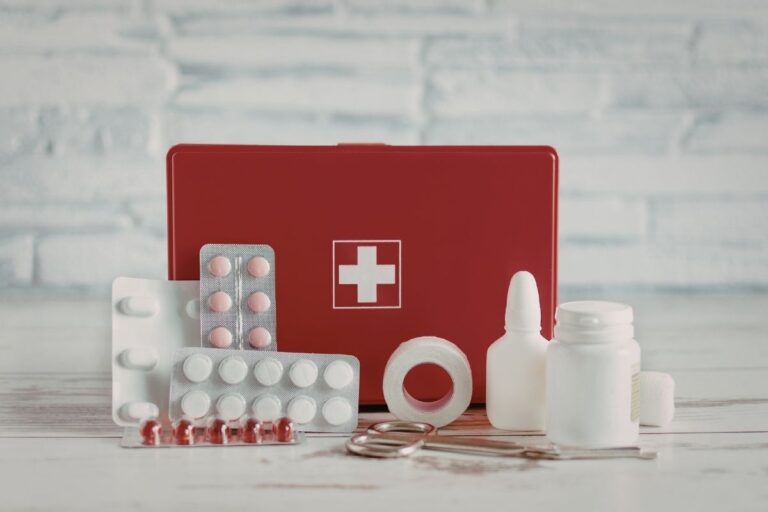
Zinc lozenges can also help provide temporary relief when symptoms first start. They should be used for only a few days and not as a continuing supplement unless recommended by a healthcare professional.
Eat and Drink in Ways that Help, Not Hurt
Christmas is a time for enjoyment, but how you eat and drink can strongly influence how you feel day to day.
Hydrate, especially if you’ll be drinking. Liquor acts like a diuretic, causing tiredness, headaches and even immune weaknesses. Offset the drinks with glasses of water, and drink water before going to bed as well, for less hangover impact the next morning.
Warm, nourishing foods can be amazingly helpful when you are feeling poorly. Vegetable soups with herbs and chicken or turkey can hydrate you. They also replenish electrolytes and provide nutrients for recovery. The heat itself serves to loosen congestion and soothe a sore throat.
When indigestion becomes a problem, lighter meals and simple remedies may help more than the faddish supplements. Foods such as ginger and turmeric can ease mild digestive discomfort. Over-the-counter antacids can also help soothe the stomach when used as directed.
Balance Celebration With Recovery Time
One of the biggest health challenges at Christmas is the pace of social commitments. Late nights, heavy meals, and packed events offer little time to recover. This raises the risk of getting ill.
You do not have to be antisocial, and it makes great sense to build recovery time into your schedule. Even brief periods of rest, quiet evenings, or gentle walks can help regulate stress levels and support immune health.
Physical activity should not come to a complete halt, but at the same time, it doesn’t have to be very strenuous. Light exercise, stretching, or fresh air boosts blood flow and lifts your mood. Plus, it doesn’t add stress to your body.
Finally, listen to early warning signs. Ongoing fatigue, sore throats or aches are signals to slow down, not push harder. Taking action early often means you can enjoy more of the festive season, rather than spending it recovering in bed.
Also Read: Work Christmas Party Outfits That Nail the Festive Dress Code
Staying Well Through the Festive Season
Although winter illness may be common, it is not inevitable. By combining good hygiene, early symptom care, smart nutrition, and enough rest, you can truly avoid the sniffles this Christmas. Maintaining health does not require stringent rules or forbidding celebration. It comes down to making small, informed choices that look after your body when it is under extra pressure. Some of these may include reviewing long-term health goals. If it’s suitable, you might also choose to buy weight loss injections as part of a medical plan. With some planning and awareness, you can enjoy the festive season. You’ll feel good, energised, and ready to enter the new year stronger.












9 responses to “5 Simple Steps to Stay Healthy and Fit This Christmas Season”
Great explanation and very informative. You can tell a lot of effort went into this.
Great explanation and very informative. You can tell a lot of effort went into this.
Useful and straightforward content. Everything is explained clearly without unnecessary details.
Excellent resource with valuable information. Thanks for sharing this so clearly.
This was very helpful and well written. I’ll definitely come back to this site again.
This was very helpful and well written. I’ll definitely come back to this site again.
Very informative content — simple, well written, and easy to understand. Keep it up!
Useful and straightforward content. Everything is explained clearly without unnecessary details.
Excellent resource with valuable information. Thanks for sharing this so clearly.