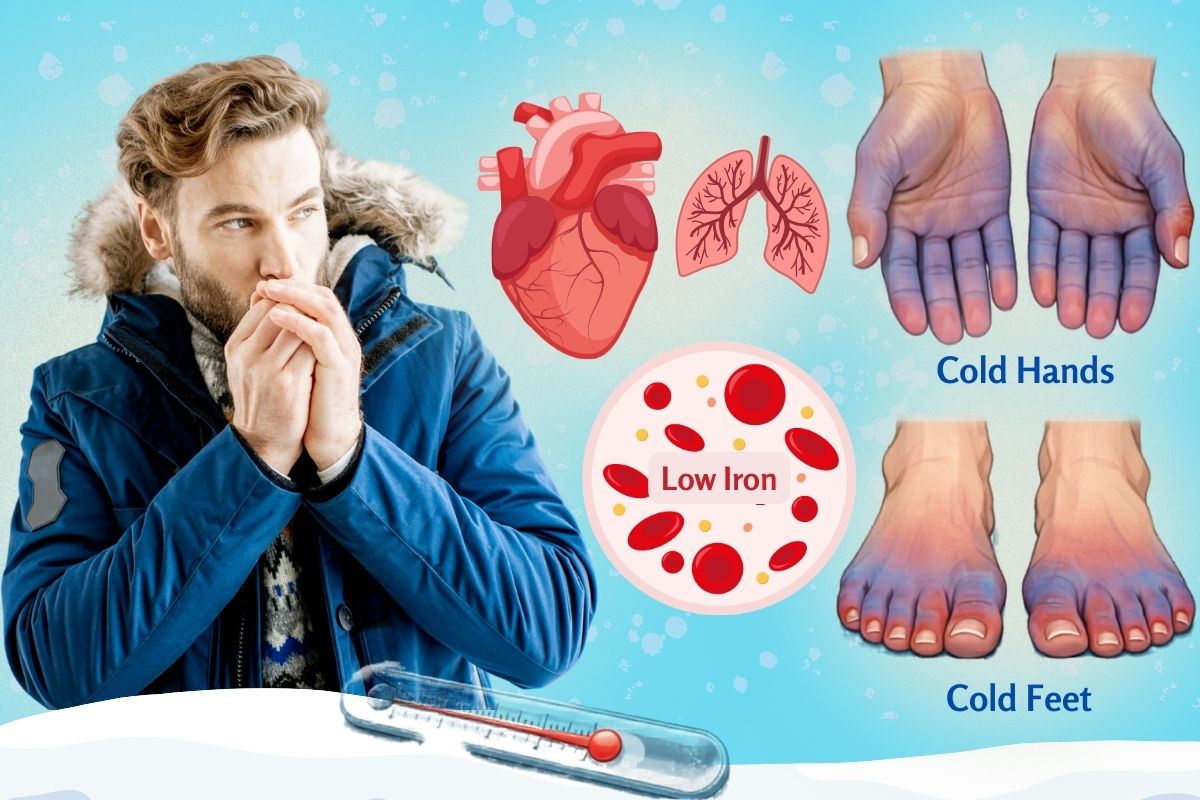
The science behind why low iron leaves your extremities icy — and what to do about it
Have you ever felt your hands and feet get cold, even in warm weather? This can happen for various reasons. A typical cause is not getting enough iron. It’s the most common problem with food in the globe. About 30% of people experience the effects. This means almost one in three.
Understanding Iron’s Role in the Body
Iron is a mineral that is very important for your blood. It is part of a protein in your blood. The protein is known as haemoglobin. Haemoglobin is located inside your red blood cells. Haemoglobin picks up oxygen from your lungs and carries oxygen to your cells. If your iron levels are too low, your body will not be able to make enough haemoglobin. This will mean that the cells of your body will be receiving less oxygen. This will cause you to have iron deficiency anaemia.
According to the World Health Organisation, a lack of iron is a major nutritional problem. It is a problem that affects many people. It affects many people worldwide. Women are three to five times more likely to be affected than men. The symptoms of a lack of iron in the body include tiredness, pale skin, and cold hands and feet.
The Core Mechanism: Why Are Extremities Cold?
Your heart is not close to your hands and feet. This means that they get blood with oxygen last. Usually, warm blood with a lot of oxygen moves quickly to your fingers and toes. But not getting enough iron makes this happen in several ways that make matters worse:
Less oxygen delivery
There are fewer working red blood cells. This means less oxygen reaches the tissues, especially those farthest from the heart.
Poor Heat Production
Cells need oxygen to function. This process warms the body. Without oxygen, tissues can’t produce heat.
Circulation Trade-off
The body sends the limited oxygen-rich blood it has to the brain and heart. These organs are the most vital. It prioritises them over the hands and feet.
Thyroid Problems
Not having enough iron can impact thyroid function. When the thyroid does not function well, the metabolic rate will be reduced. This will make it difficult for the body to produce heat.
According to studies carried out in clinics, iron deficiency anaemia will make it difficult for the body to keep a normal temperature. This will affect the way the body controls heat. This will affect the way the body controls heat. This will cause difficulties in controlling the body’s heat. According to the Journal of Applied Physiology, it was found that it is difficult for women with low levels of iron to keep warm. It was found that the women had difficulties keeping warm. Those with enough iron had an easy time. With time, the microvessels will be damaged, and it will be difficult to keep the hands and feet warm.
Also Read: 5 Weird Signs of Iron Deficiency
Other Signs That Cold Hands and Feet Often Come With
It’s not normal for hands and feet to be cold on their own. Along with the cold in your fingers and toes, you could notice other problems if you don’t get enough iron:
Common Symptoms That Happen Along With Iron Deficiency
- Weakness and fatigue that lasts a long time
- Breathlessness
- Feeling dizzy and lightheaded
- Pale skin and pallor
- Brittle or spoon-shaped nails
- Fast or uneven heartbeat
- Restless legs syndrome
- Frequent headaches
Who Is Most at Risk?
People who lack enough iron face various problems. Some groups are at higher risk. This may be because you need more iron, lose more blood, or have difficulty absorbing it.
- Women who have heavy periods lose 0.5 milligrams of iron for every millilitre of blood lost each month. The total loss is considerable over time.
- Pregnant women need twice as much iron as non-pregnant women. The daily requirement is 27 mg. This is because their blood volume increases and the baby is growing.
- Vegetarians and vegans absorb just 5–15% of non-heme iron from plants. In contrast, they get 15–35% of heme iron from animal sources. Drinks like tea, coffee, and dairy can hinder absorption by up to 60%.
- Babies require more iron than they are consuming. This applies, especially, to those who were born with low birth weight.
- Older adults may lose more iron than they are taking in. This can be due to a number of reasons. These include having health problems, such as chronic illness. They also include taking some drugs, such as NSAIDs. Not eating enough is another factor.
- Individuals with certain gastrointestinal conditions have difficulties. These include coeliac disease, Crohn’s disease, and peptic ulcers. They have difficulties absorbing iron. In other cases, they lose the mineral slowly.
How to Know if You Don’t Have Enough Iron
If your hands or feet are chilly and you feel tired or have other symptoms, you should see a doctor very soon. You shouldn’t try to find out what is wrong or take any iron supplements without consulting a doctor. Too much iron can harm your liver or other organs.
Common Tests Used for Diagnosis
- Complete Blood Count (CBC): This test has three major parts. These include red blood cells, haemoglobin, and haematocrit.
- Serum Ferritin: This is a blood test to determine the amount of iron in your body. It’s the first sign of something being wrong.
- Serum Iron & TIBC: These two tests determine the amount of iron present in your blood. They also determine the efficiency of your body at transporting the iron.
- Thyroid Function (TSH): This test detects any problems associated with your thyroid. These problems can influence your body’s functionality.
Also Read: What to Do If Someone Is Having a Heart Attack: Life-Saving Steps Everyone Should Know
How to Get Warm Again and Fix Your Iron Deficiency
The good news is that it’s not hard to cure a lack of iron. A lot of people say that their hands and feet get warmer as their iron levels go higher. Here are some tried and tested ways:
Eat Iron-Rich Foods
Red meat, chicken liver, and seafood are good sources of iron. Other sources of iron include lentils, tofu, spinach, and breakfast cereals.
Mix with Vitamin C
Vitamin C can help the body absorb non-heme iron. So, add some citrus juice or bell peppers to your iron-rich plant-based foods.
Don’t take Absorption Blockers
Avoid tea, coffee, and calcium for an hour after you consume a lot of iron. They can block your body’s ability to absorb iron.
Think of Taking Supplements
You should consider iron supplements if your doctor advises you to do so. However, you should be cautious not to take a lot of iron, as this may have a negative impact on your health. A blood test may be essential in determining the quantity of iron you should be consuming.
Keep Warm, Keep Busy
Exercising can boost your blood flow and improve your iron levels.
Treat Underlying Causes
To stay healthy, deal with heavy periods. Also, address digestive issues and other related problems. These problems can cause deficits. You need to treat them so that the modifications last.
Frequently Asked Questions
1. Can low iron cause cold hands and feet without anaemia?
Yes. Low iron can reduce oxygen delivery even before anaemia develops. A serum ferritin test can detect low iron levels.
2. How long does it take to feel better after treating iron deficiency?
Energy improves first. Cold hands and feet usually improve within 4–8 weeks, while iron stores rebuild in 3–6 months.
3. Are cold hands and feet always a sign of low iron?
Not always. Other causes are Raynaud’s, hypothyroidism, low vitamin B12, magnesium deficiency, diabetes, and poor circulation. Consult a doctor if symptoms persist.
4. Why are women more likely to have low iron and cold hands?
Women lose iron during their periods and need extra during pregnancy. This makes them 3–5 times more likely to have an iron deficiency.
5. Can vegetarians get enough iron?
Yes. Eat iron-rich plant foods like lentils, tofu, leafy greens, and fortified cereals. Avoid tea or coffee with meals to improve absorption.
6. Is it safe to take iron supplements without medical advice?
No. Excess iron can damage organs like the liver and heart. Always get a blood test before taking supplements.
7. How is the thyroid linked to iron deficiency and feeling cold?
Iron is needed to produce thyroid hormones. Low iron can slow metabolism and reduce heat production, causing cold hands and feet.
Disclaimer: This article is for general information purposes only. It is advisable to consult a trained health care professional. Before taking any iron tablets or making any drastic dietary changes.
Recommended