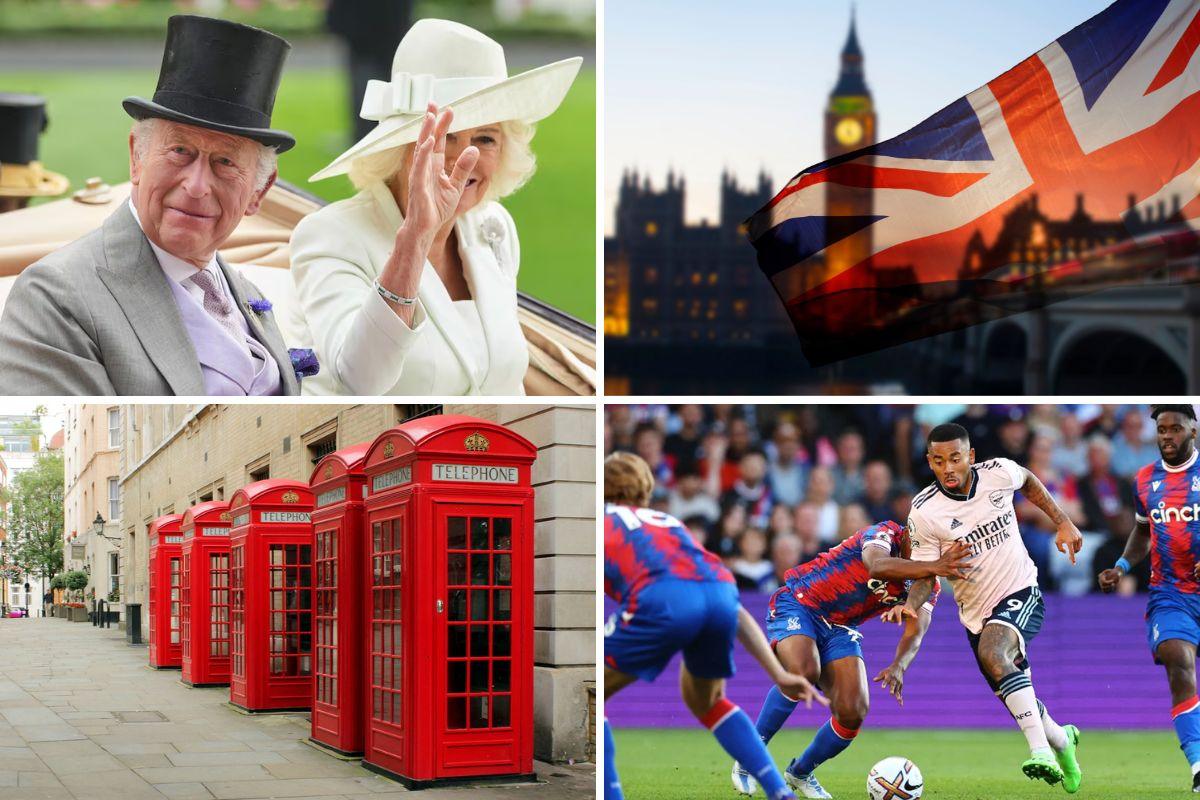
Quick Answer: Name a British icon, any one, and ask around abroad. The same five come up every time. The Crown. Big Ben. Fish and chips. A red phone box. The Union Jack. People assume these are just old symbols nobody bothers with anymore. Not true. In 2026 they’re still doing the job, still shaping how Britain sees itself, and how the rest of the world sees it too.
- British icons span royal traditions, landmarks, food, sport, and media- basically anything people instantly connect with the UK
- King Charles III is still on the throne. He opened the 2026–27 parliamentary session back in May
- Big Ben’s home, the Elizabeth Tower, finished its huge restoration in 2022, and it’s still one of the most photographed spots in London
- Football, tea culture, the BBC- they’re still carrying British identity well beyond UK borders
- Most of these icons aren’t fading. They’re just quietly adapting
What Actually Makes Something a British Icon
Here’s the thing. Not everything old counts as an icon. A building, a food, a person, even a colour scheme can become one, but only if people keep recognising it. Keep talking about it. Keep visiting it.
A red phone box gets that status. Some random 1970s office block down the road, no chance. Age alone doesn’t do it. Recognition does.
The Royal Family and the Crown
Love it or hate it, the monarchy is still one of the most recognisable things about Britain. Full stop. Charles became king back in September 2022, then had the actual coronation in May 2023, all the crowns and robes and Westminster Abbey theatre. And he’s not just sitting there either. In May 2026, he opened Parliament for the third time since becoming king.
What’s surprising is how much attention royal stuff still gets. Honours lists, state visits, Trooping the Colour, people actually watch these things. It’s not some dusty tradition stuck in a history book somewhere. It’s still part of everyday British life, whether people admit to caring or not.
Also Read: What Makes British Values So Important in Modern Britain?
Big Ben and the Palace of Westminster
Quick one people always get backwards. Big Ben? That’s the bell. Not the tower. The tower’s got its own name, the Elizabeth Tower, and most people walking past it every day probably don’t even know that.
It just spent five years getting fixed up. Scaffolding everywhere; work finished in 2022. Biggest job that tower’s ever had done to it.
Still sits inside the Palace of Westminster. Still technically a UNESCO World Heritage Site, though nobody taking a selfie out front is thinking about that bit. Doesn’t matter really. It’s still doing the one thing it’s always done, sitting there on London’s skyline, showing up in the background of every tourist photo taken in that city, every single film that ever needed a shot to say “yep, this is London.”
The Union Jack
You don’t need to explain the Union Jack to anyone, anywhere. It overlays three patron saints’ crosses – representing England, Scotland, and Ireland – into one design. (Wales was already part of England when it was designed, which is why the famous Welsh dragon missed out). Show up at a stadium, a festival, or a fashion show – it doesn’t matter. People know exactly what it is the second they see it. Simple design, huge recognition. Hard to beat that.
Red Phone Boxes and Black Cabs
Nobody’s actually making calls from a red phone box anymore, let’s be honest. But they haven’t disappeared. Loads have been turned into tiny libraries, defibrillator points, even coffee kiosks. Which, weirdly, is probably what’s kept them around. Give something a new job, and people stop tearing it down.
Black cabs are a similar story. Still running on strict licensing, still requiring drivers to know the actual streets, not just follow an app. That’s kept them distinct even with ride-hailing apps eating into the market everywhere else.
Also Read: How Does Home Education Work in the UK? A Parent’s Guide
Fish and Chips and Afternoon Tea
Some food just doesn’t go out of style. Fish and chips wrapped up on a seaside walk. A proper afternoon tea, scones, clotted cream, the works. Ask any tourist what “British food experience” means, and you’ll hear these two before anything else.
And they’ve moved with the times too. Vegan scones now. Gluten-free batter. Modern tea rooms that look nothing like your gran’s front room. Old tradition, new packaging. Still works.
Football and the Premier League
Football might be Britain’s biggest export, full stop. The Premier League gets watched in places that have never seen an English town in real life. England’s teams, men’s and women’s both, keep the sport tied firmly to British identity. The Lionesses especially have turned into icons in their own right after everything they’ve pulled off recently, several of them picking up honours for it.
The BBC
The BBC’s still doing what it’s always done – news, drama, being there for the big national moments. Even something as small as broadcasting Big Ben’s chimes on New Year’s Eve is its own little tradition, stacked on top of a much bigger one. That’s kind of how British icons work. They lean on each other.
The Most Recognisable British Icons and Why Their Legacy Still Matters
Here’s why any of this still matters in 2026. Continuity. Britain’s changed a lot, politically, economically, culturally, but the Crown, Big Ben, football, a good cup of tea- they’re still the shared reference points. For people at home and abroad, they’re a shortcut. You don’t need a history lesson to get what they mean. The legacy isn’t about staying frozen. It’s about staying familiar while quietly shifting underneath.
Also Read: 10 UK Towns and Cities Ranked Among the Happiest Places to Live
Quick Reference Table
| Icon | Category | Why It Still Matters in 2026 |
| TheCrown/King Charles III | Monarchy | Still opens Parliament and remains the face of national continuity. |
| BigBen/Elizabeth Tower | Landmark | Fully restored in 2022 and continues to be one of London’s most recognizable symbols. |
| Union Jack | National Symbol | Instantly recognized around the world as a symbol of Britain. |
| Red Phone Boxes | Street Heritage | Many have been repurposed into libraries, cafés, and defibrillator stations rather than removed. |
| Fish and Chips | Food Culture | Still the classic British dish most commonly associated with the UK by visitors. |
| PremierLeague Football | Sport | Its massive international audience keeps it at the center of British culture and global sport. |
| BBC | Media | Continues to play a key role in national broadcasting, major events, and public service journalism. |
Frequently Asked Questions
What are considered British icons?
Things like the monarchy, landmarks such as Big Ben, symbols like the Union Jack, food like fish and chips, and institutions like the BBC and the Premier League. Basically, whatever people instantly link to Britain.
Is Big Ben still standing in 2026?
Yes, and it’s in great shape too. The Elizabeth Tower finished its major restoration back in 2022 and is fully open and visible in London.
Who is the reigning monarch of the UK in 2026?
King Charles III. Crowned in May 2023, and he opened Parliament’s 2026–27 session in May 2026.
Why do red telephone boxes still exist if no one uses them for calls anymore?
Most have been given a new purpose – mini libraries, defibrillator points, small kiosks. Giving them a job is basically what’s kept them standing.
Are British icons losing relevance with younger generations?
Not really. They’re just adapting. Vegan scones, reused phone boxes, that sort of thing. Same identity, slightly different shape.
Sources & References
- GB News, King’s Birthday Honours List 2026 in full
- Britannica, King Charles III biography
- New My Royals, King Charles III Opens the 2026–27 Session of Parliament
- Washington Times, Big Ben clock tower restoration report
- UK Parliament, Elizabeth Tower and Big Ben Conservation Works