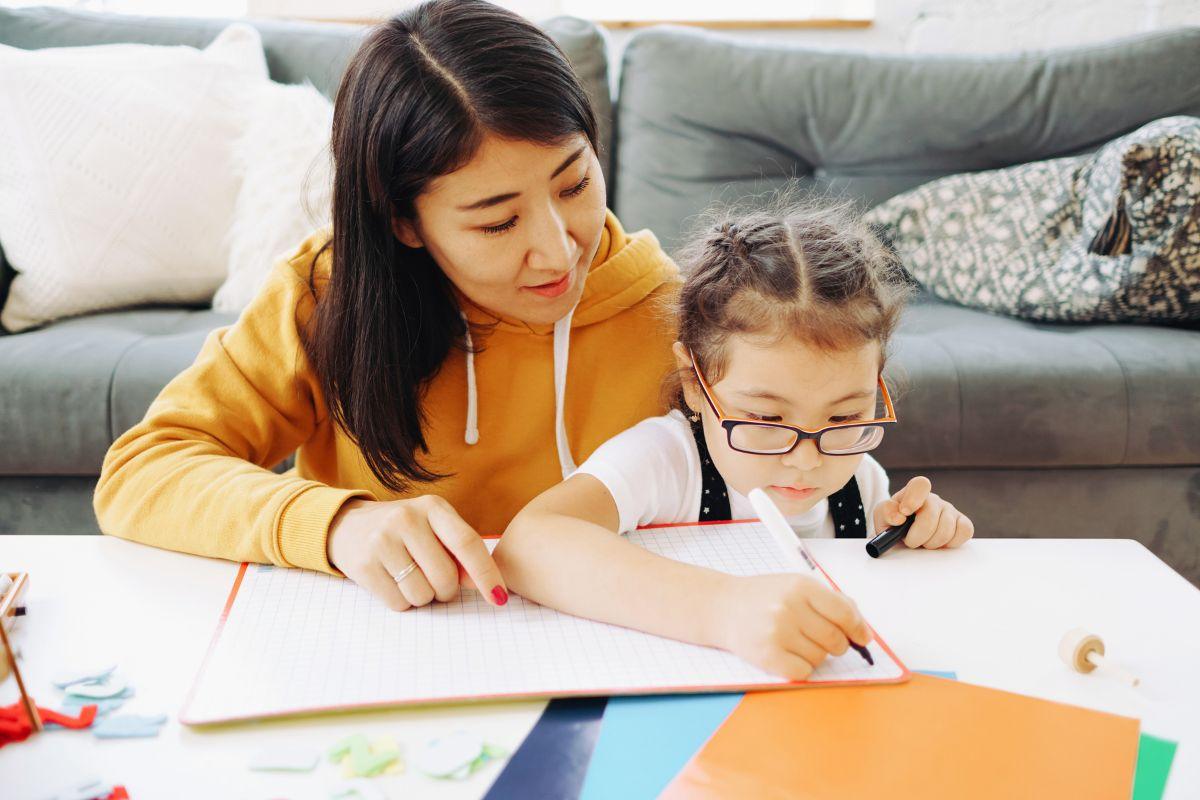
So, how does home education work in the UK? You pull your child out of school, tell the head, and the learning becomes your job.
You must give them a full-time education from age five until the age of 16. But there will be no national curriculum, no school bell, and no inspector on the doorstep.
- It’s legal in England, Wales and Northern Ireland, where it’s called ‘elective home education’ (EHE). In Scotland, it’s just called ‘home education’.
- Write to the head teacher to deregister. The school must accept a full withdrawal.
- Councils can make an informal enquiry and serve a school attendance order.
- Around 126,000 UK children now learn outside the school gates.
Meaning of Home Education
It is a conscious decision to educate your child away from a school setting. BBC Bitesize describes elective home education as a parent choosing to teach their child at home or “in some other way they desire, instead of sending them to school full-time”.
It does not mean recreating a classroom in your kitchen. Some families run a strict timetable. Others use tutors, online schools, forest schools, or ‘unschooling’, where the child leads the learning.
Do not confuse it with EOTAS (education other than at school), which your council arranges and funds. Home education is funded by you.
Also Read: 10 UK Towns and Cities Ranked Among the Happiest Places to Live
Is Home Education Legal or Not?
Yes, and it has been for decades. Section 7 of the Education Act 1996 is the proof. It says, “The parent of every child of compulsory school age shall cause him/her to receive efficient full-time education suitable (a) to his/her age, ability and aptitude, and (b) any special educational needs he/she may have, either by attendance at school or otherwise.”
Two small words: “or otherwise”. That’s your permission slip and more than some countries manage. It’s still illegal in Germany.
Few people have used it as cover for illegal, unregistered schools. Ofsted looks at this problem. Most families just get on with it.
Getting Your Child Out Of School
GOV UK explains the paperwork in a simple way.
Write to the head teacher. Removing your child completely? The school must accept it. Want them in class two days a week? It can refuse. And if your child was offered a place but never turned up, you still must deregister formally.
If your child is in school under a school attendance order, you need the council’s approval first.
What The Council Can And Cannot Do
Your details land with the local authority. They can make an “informal enquiry” to check that the education is satisfactory. If they reckon it isn’t, they can serve a school attendance order.
What they can’t do: force a curriculum on you, demand a timetable, or walk into your home, except in rare and extreme circumstances. No council has a legal duty to monitor you, though plenty do anyway.
Support, as The Good Schools Guide puts it, varies widely by area. Some councils lend library resources, offer access to leisure centres, or pass on lists of local home-educating families. Others barely blink.
Also Read: 15 Legitimate Work From Home Jobs With Flexible Hours
Curriculum and Hours
Whatever you like. Follow the National Curriculum in England, the Curriculum for Wales, the Northern Ireland Curriculum or Scotland’s Curriculum for Excellence. Or build your own. It just has to be “suitable” and “effective” for stretching your child, preparing them for adult life.
It must fill a decent chunk of their week. But the government states that “home-educating parents are not required to:
- have a timetable
- set hours during which education will take place
- observe school hours, days or terms.”
Most families still cover English, maths and science.
Types of Home-Schooling
- School-at-home: Textbooks, tests, and timetable. Great if exams are the goal.
- Classical: Grammar, logic and rhetoric, straight out of Ancient Greece.
- Project-based: Pick a theme, volcanoes or the Egyptians, and pull every subject in.
- Charlotte Mason: Living books, art, music, and fresh air.
- Unschooling: The child leads, you follow.
- World schooling: travel, culture, learning on the move.
- Forest school: outdoors, though fees can apply.
- Tutors: in person or online, if you’d rather not teach.
BBC Bitesize runs free resources for early years, primary and secondary, plus a Parenting SEND collection.
Children With Special Educational Needs

Special school? You need the council’s permission. Mainstream school? You don’t, even with an education, health and care (EHC) plan.
Don’t confuse it with EOTAS (education other than at school), where the council arranges and pays for schooling elsewhere, usually because of SEND, health or a rocky school history. Home education: you organise and fund it yourself.
Also Read: Inside the 10 Most Secretive Private Islands Owned by Business Tycoons
Flexi-Schooling
Flexi-schooling means school some days and home the rest. Handy for part-time working parents or families chasing the social side. Schools decide case by case and can refuse.
Exams And Costs
No state funding. None. SATs don’t apply. They’re a state primary thing. GCSEs, IGCSEs, and A-levels are optional and can be taken as external candidates at a school or exam centre.
Register by January for May and June papers. Teachers To Your Home puts each entry at £50 to £60, with face-to-face tuition around £45 to £50 an hour at GCSE and A-level and £25 to £35 online for younger children.
Prefer something ready-made? Oxford Home Schooling sells structured courses from Key Stage 3 up. The biggest cost is the invisible one: a parent cutting their hours or leaving work altogether.
Does It Work?
UK research has found “home-schooled children to develop as well or better socially, emotionally, and psychologically than institutionally schooled children”. Universities and employers increasingly like what it signals: grit, independence, self-motivation.
Why the surge? A Department for Education report in 2023 pointed to mental health, general dissatisfaction, philosophical reasons, lifestyle and SEND.
The downsides? References and predicted grades require chasing. Friendships need engineering, not luck — Facebook groups, forest schools, museum sessions, and local meet-ups. And it eats time. Ask yourself, why am I doing this? How does my child feel? What if I fall ill?
Frequently Asked Questions
Is home education legal in the UK?
Ans: Yes, every parent can educate their child at home instead of sending them to school in England, Scotland, Wales and Northern Ireland.
Do I need permission to home educate?
Ans: Usually not. You only need it if your child attends a special school or is under a school attendance order.
Do I have to teach the National Curriculum?
Ans: No, that’s for state schools. Follow it, tweak it, or design your own, as long as it suits your child’s age and ability.
Can home-educated children take GCSEs?
Ans: Yes, they can take them privately at a school or exam centre. You pay roughly £50 to £60 per subject.
Will the government give me money?
Ans: No. You pay for everything. Some councils offer access to libraries or sports centres, but that’s it.
Can my child stay in school part-time?
Ans: Possibly. This is known as flexi-schooling, and the school makes the final decision.
Sources & References:
- GOV UK – For home schooling, write to the head teacher for removing your child, and the school must accept it.
- Teachers To Your Home – You can get face-to-face tuition around £45 to £50 an hour at GCSE and A-level and £25 to £35 online.
- The Good Schools Guide – Some councils lend library resources, offer access to leisure centres, or provide lists of local home-educating families.