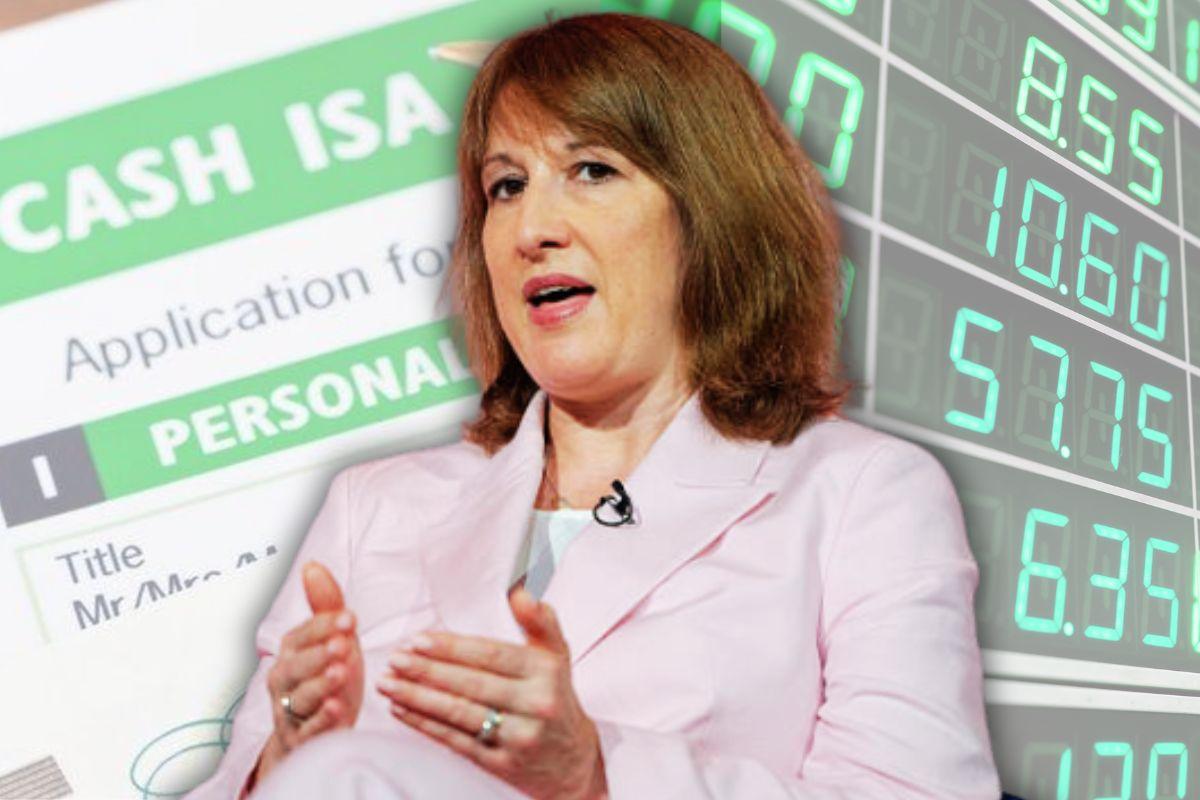
Not going to sugarcoat this one. The Rachel Reeves cash ISA changes mean a real cut to how much cash under-65s can shelter tax-free from 2027 onward, down from £20,000 to £12,000. That leftover £8,000 has to go into something riskier, an investment ISA, no way around it. Over 65? None of this touches you, your £20,000 stays as is. Here’s what you actually need to do about it.
- Cash ISA limit for under-65s drops from £20,000 to £12,000 from 6 April 2027
- Over-65s keep their full £20,000 cash allowance, but they’re not off the hook for the new rules on uninvested cash in Stocks and Shares ISAs
- A 22 per cent charge is coming for interest earned on uninvested cash sitting in Stocks and Shares or Innovative Finance ISAs
- Under-65s won’t be able to transfer money from a Stocks and Shares ISA back into a Cash ISA once the new rules start
- This tax year, 2026/27, still runs on the old £20,000 Cash ISA rules for everyone
What’s Actually Changing
The Chancellor first announced this in the Autumn Budget 2025, and the government confirmed the finer details on 23 June 2026. So this isn’t a rumour anymore – it’s policy on its way to legislation. From 6 April 2027, if you’re under 65, you can still put £20,000 total into ISAs each year, but no more than £12,000 of that can sit in cash. The other £8,000 does not have to go somewhere that carries investment risk; you can simply save it in a standard, taxable bank account or Premium Bonds, though you will lose the tax-free ISA protection on that portion.
If you are aged 65 or older on or before 6 April 2027, you keep the full £20,000 Cash ISA allowance. This protection does not kick in from the start of the tax year you turn 65; you must hit your 65th birthday on or before the 6 April 2027 start date to qualify. Furthermore, over-65s are not entirely unaffected by the changes, as they are still subject to the new rules on uninvested cash in trading accounts.
Here’s the bit that caught a lot of savers off guard. According to Money Saving Expert, the government also confirmed a flat 22 per cent charge on interest earned from uninvested cash sitting inside a stocks and shares ISA. That one applies to everyone, including over-65s. It’s aimed squarely at people who were planning to dodge the new cash ISA cap by parking their spare cash inside an investment wrapper instead, rather than actually investing it.
There’s also a transfer restriction worth knowing about. Under-65s will no longer be able to move money from a stocks and shares ISA into a cash ISA once the new rules kick in. Transfers the other way, cash ISA into stocks and shares, will still be allowed.
Also Read: The Tax Changes That Could Affect Millions of UK Drivers and Car Owners
What the Rachel Reeves Cash ISA Changes Could Mean for UK Savers
For most under-65 savers, this comes down to a choice. Either accept a smaller tax-free cash cushion, or start putting money into the stock market whether you feel ready or not. Building societies lobbied hard against this, worried it would put people off saving for a house deposit through a cash ISA. Critics like AJ Bell’s Rachel Vahey have called the wider package “riddled with unintended consequences,” arguing it does little to actually create new investors; it just moves existing savers around.
For people close to retirement or generally risk-averse, the change is more unsettling. You’re being nudged toward the stock market at a stage of life when a lot of people would rather not take on extra risk. For younger savers already comfortable with investing, the practical impact is smaller since much of that £8,000 might have gone into a stocks and shares ISA anyway.
Why Reeves Is Doing This
The Treasury argues that UK households keep far too much money sitting in cash compared with other G7 countries, and that this is starving British businesses of investment. Reeves wants more of that cash flowing into UK equities, in theory boosting growth and, eventually, tax receipts. Whether cutting the cash ISA allowance is the right lever to pull is genuinely contested. Some advisers argue a “carrot” approach, better financial education, simpler investment products- would have worked better than a “stick.”
Does This Affect You Right Now
Not yet. The 2026/27 tax year, the one we’re currently in, still runs on the old rules. You can put the full £20,000 into a cash ISA today if that’s what suits you. This is about planning ahead of April 2027, not scrambling this month. If you’ve been meaning to top up a cash ISA, this tax year is your last chance to do it at the higher limit.
Also Read: Does England Have a Real Chance to Win the World Cup?
Cash ISA Rules: Before vs After April 2027
| Rule | Now (2026/27) | From 6 April 2027 |
|---|---|---|
| Cash ISA limit (under 65) | £20,000 | £12,000 |
| Cash ISA limit (65+) | £20,000 | £20,000 |
| Overall ISA allowance | £20,000 | £20,000 |
| Interest on cash in S&S ISA | Tax-free | 22% charge |
| Transfer S&S ISA to Cash ISA | Allowed | Banned (under 65) |
| Savings income tax (basic rate) | 20% | 20% (Unchanged) |
What Should You Do Before April 2027
If you’re under 65 and rely heavily on cash savings, it’s worth reviewing your ISA split well before the deadline. You could use this tax year to max out your cash ISA at £20,000 while the old limit still applies. If you’re already comfortable with some investment risk, it may also be worth getting familiar with how a stocks and shares ISA works if your goal is to keep your full £20,000 allowance tax-free, though you are never forced to use one. And if you hold spare cash inside a stocks and shares ISA already, keep an eye on how the 22 per cent charge will apply once it comes into force.
FAQ
Do the cash ISA changes affect me this year?
No. The new £12,000 limit only starts from 6 April 2027. Until then, the £20,000 cash ISA allowance still applies to everyone.
Will I lose money already saved in a cash ISA?
No. Money already in your cash ISA stays protected and keeps earning tax-free interest, whatever your age.
Does the 22 per cent charge apply to over-65s too?
Yes. Unlike the cash ISA cap, the charge on interest earned from cash held in a stocks and shares ISA applies regardless of age.
Can I still transfer my cash ISA to a stocks and shares ISA after April 2027?
Yes. Only transfers the other way, from stocks and shares into cash, will be banned for under-65s.
Sources & References
- GOV.UK – ISA Reform 2027 Anti-Circumvention Rules Factsheet
- MoneySavingExpert – Cash Held in Stocks and Shares ISAs to Be Hit with 22% Charge on Interest
- MoneyWeek – What the Cash ISA Reforms Mean for You
- MoneyWeek – How the Upcoming ISA Changes Apply to Over-65s
- Financial Times – HMRC Reveals Tax Charge in New ISA Rules
- Moneyfacts – ISA Allowance Rules and Limits Explained
- Interactive Investor – ISA Reforms and Investor Impact
- The Telegraph – Rachel Reeves Cash ISA Changes Analysis
- BBC News – Coverage of Rachel Reeves’ ISA Reform Plans