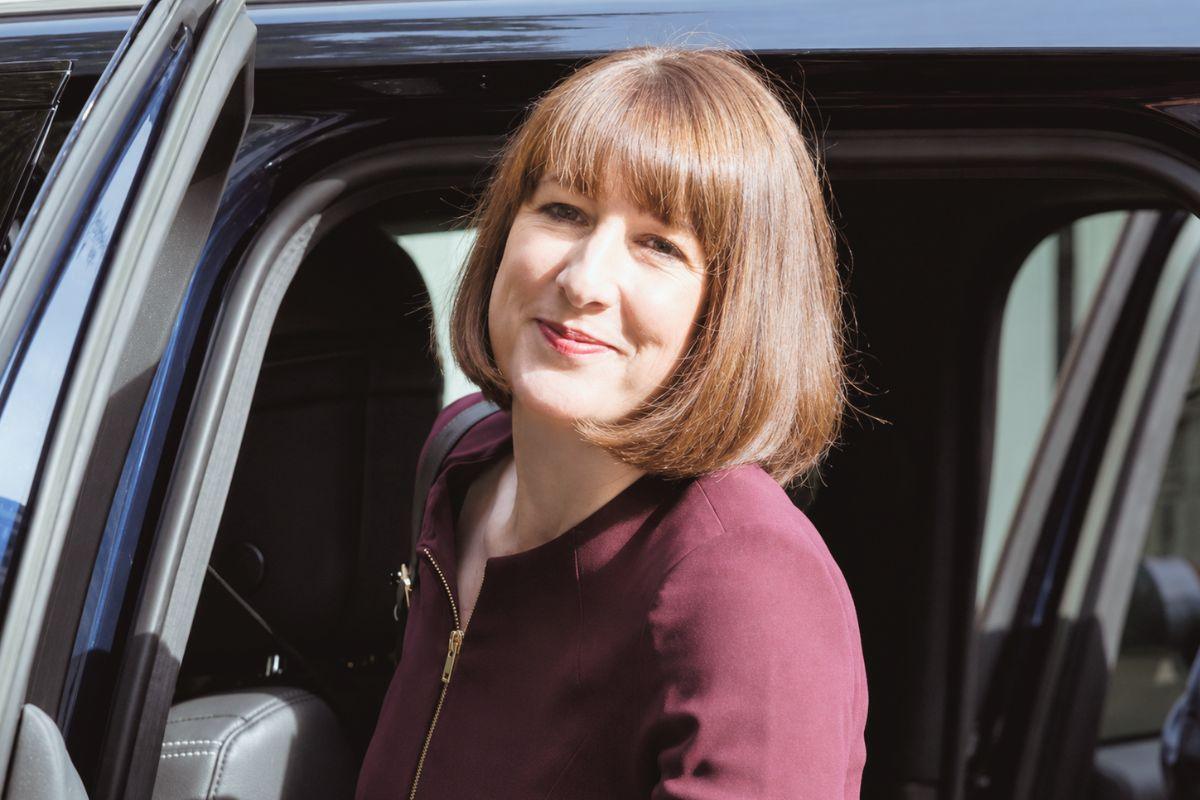
A flurry of Rachel Reeves car tax changes are about to land on UK driveways, and they’ll hit different motorists in very different ways. Some drivers will be quids in, others left grumbling.
From a bigger mileage allowance to a fuel duty freeze and a looming pay-per-mile charge on electric cars, here’s a brief overview of what’s coming and who it actually affects.
The work mileage allowance jumps from 45p to 55p per mile, backdated to April 2026.
The 5p fuel duty cut is extended to the end of the year, saving the average driver £120.
Hauliers get a 12-month road tax holiday worth up to £912 per vehicle.
Electric cars face a 3p-per-mile charge from April 2028; hybrids pay 1.5p.
Experts warn the EV tax could put buyers off and dent the switch to electric.
A Welcome Boost for People Who Drive For Work
Let’s start with the good news. If you use your own car for your job, you’ll now get more back. HMRC has added 10p per mile to the allowance for cars and vans doing business miles, so you can claim car tax relief on 55p per mile for the first 10,000 miles in a tax year. That’s up from 45p, a rate that had been frozen since 2011.
How does it work? If you drive house to house as, say, a care worker, your employer can hand you an approved mileage allowance payment to cover your costs. You pay no tax or National Insurance on it.
Money-saving guru Martin Lewis, speaking on BBC Radio Five Live, reckons this one’s been badly under-covered. He explained:
“It is also worth noting, if your employer doesn’t give you the full amount of the mileage allowance – let’s imagine they give you 30p (and the allowance is 55p) – you can claim tax back on that 25p per mile that you drive as part of your work (not commuting).”
In short, you can claw back the tax on the gap between what your boss pays and the full 55p. Get nothing from your employer? You can claim the lot. Self-employed drivers get a similar deal too.
Birmingham Live notes the change is backdated to April 2026, so a couple of months’ worth is already in the bag. Just remember it only covers the first 10,000 miles, then a lower rate kicks in.
You Can Also Read: Premier League 2026/27 Fixture: Every Club’s Opening Weekend Match
Pump Prices Held Down for the Rest of the Year
Next up, a bit of relief at the petrol station. GOV UK confirmed on 20 May that the 5p cut on fuel duty will run to the end of the year. By then it’ll have saved the average driver £120 since 2025, keeping duty at its lowest rate for over 16 years.
The move comes as the conflict in Iran pushes prices up. Hauliers, who keep the shelves stocked, get a 12-month road tax holiday — paying just £1 at renewal, saving £600 for a typical heavy lorry and £912 for the biggest beasts on the road.
Farmers and other red diesel users see their fuel duty cut by over a third, the lowest rate in more than 20 years. Chancellor Rachel Reeves said:
“I’m keeping taxes down for drivers and businesses – putting money in the pockets of millions of workers and cutting costs for farmers and hauliers. The war in Iran is pushing up fuel prices here at home but after strong growth at the beginning of the year, I am stepping in to protect people at the pump.”
Prime Minister Keir Starmer added:
“That’s why this government is stepping in to keep fuel costs down for millions of drivers and putting money back in the pockets of working people.”
Pay-Per-Mile for Electric Cars
Now for the controversial bit. From April 2028, electric car owners will pay 3p for every mile under a new electric vehicle excise duty (eVED), announced in the autumn budget.
Plug-in hybrid drivers will be charged 1.5p per mile on top of fuel duty. For anyone covering 10,000 miles a year, that’s roughly £300 extra on their motoring bills.
And here’s the kicker — it’s already putting people off, two years before a penny is charged. Research highlighted by This is Money found that 31% of motorists say the proposed tax has made them reconsider running a battery car today. Only 38% of current EV owners said they’ll “definitely keep” them once it lands.
The policy aims to fill the gap. The loss of fuel duty is forecast to leave a £40 billion black hole for the Treasury by the end of the decade, with pay-per-mile predicted to raise £1.9 billion by 2030.
But the British Vehicle Rental and Leasing Association warns of a “postcode penalty”, hitting poorer, car-dependent areas hardest. Some drivers could pay up to £267 on top of the £200 standard VED rate. Chief executive Toby Poston said the policy “may appear fair on paper” but “falls hardest on the drivers least able to avoid it.”
You Can Also Read: Taylor Swift Goes Back to Country Roots with Toy Story 5 Track “I Knew It, I Knew You” Lyrics
Experts Urge a Rethink
The pressure is mounting. As reported by the Express, electric car campaigners EVA England want the fee axed altogether. Their open letter to the government warned:
“With only 5.5% of the total car park electric, British consumers currently being extremely price-sensitive, and 40% still EV sceptical, now is not the right time to introduce an additional tax that many drivers see as an EV-only tax.”
The Office for Budget Responsibility reckons the tax could mean 440,000 fewer EVs sold. The car industry body, the SMMT, called it “entirely the wrong measure at the wrong time.”
The Treasury isn’t budging. A spokesperson said EV drivers currently pay no fuel duty while petrol drivers stump up around £480 a year, which “isn’t fair”, adding that under the new system EVs will pay half the duty of petrol cars – “still the cheaper, greener choice.”
So whether these changes leave you smiling or seething really does depend on what you drive.
Sources & References:
Birmingham Live – The tax change was first brought in April 2026.
Gov UK – From 20 May, the 5p cut in fuel duty will last until the end of the year.
This is Money – 31% of motorists say the proposed tax has made them reconsider running a battery car.
Express – Electric car campaigners EVA England want the fee axed altogether.