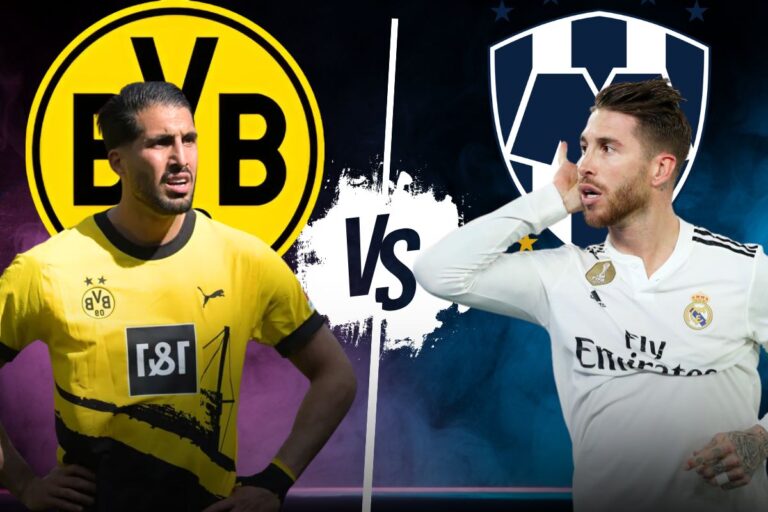
Spain 1, Argentina 0. After extra time. MetLife Stadium, July 19, 2026. Ferran Torres, on as a sub, buried the winner 37 seconds into the second period of extra time off a Nico Williams assist — and just like that, Lionel Messi’s World Cup — maybe his last one — was over.
Este gol es el de todo un país 🇪🇸 pic.twitter.com/yqFfG3nSYL
— Ferran Torres (@FerranTorres20) July 20, 2026
The scoreline makes it sound close. It wasn’t. Spain ran this game start to finish. Argentina spent most of the night camped in its own half, and Enzo Fernández getting sent off in second-half stoppage time meant they played all 30 minutes of extra time a man down. Zero shots on target in 90 minutes. So what actually happened here? Let’s get into it.
- Final result: Spain defeated Argentina 1-0 after extra time at MetLife Stadium on July 19, 2026, claiming their second World Cup title.
- Match winner: Substitute Ferran Torres scored just 37 seconds into extra time’s second period, assisted by fellow sub Nico Williams.
- The stats tell a different story than the scoreline: Spain out-shot Argentina 20-2 (12 on target to zero) and out-xG’d them 1.94 to 0.20 — this was a dominant, one-sided final, not a coin flip.
- Argentina’s attack never showed up: Messi and the front line were smothered by Spain’s press and had zero shots on target through 90 minutes.
- Defensive injuries hurt Argentina: Three of the four regular starting defenders had been substituted during the tournament, leaving a patched-together backline for the final.
- The red card was decisive: Enzo Fernández was sent off in second-half stoppage time (second yellow, reckless challenge on Pau Cubarsí), forcing Argentina to play all 30 minutes of extra time with 10 men — VAR upheld the call.
- Spain’s defense was historic: They conceded just 1 goal in the entire tournament, extending an unbeaten run to 38 matches (including their Euro 2024 title).
- Discipline collapsed after the whistle: A post-match brawl saw Leandro Paredes sent off; Argentina finished with 5 yellows + 1 red in-game vs. Spain’s zero cautions.
- Martínez kept it close: His World Cup final record 11 saves were the main reason the game stayed level as long as it did.
- The bigger picture: Likely Messi’s final World Cup appearance; Argentina missed becoming the first team to win four consecutive major titles; Spain now has two World Cups (2010, 2026) and could chase back-to-back titles in 2030 — a feat last achieved by Brazil in 1958/1962.
The Scoreline Lies
One goal in extra time sounds like a coin-flip final. It wasn’t close to one. Spain had 20 shots. Argentina had two. Expected goals: 1.94 for Spain, 0.20 for Argentina — that’s not a typo, that’s a fifth of a goal. Luis de la Fuente’s side ran around 60% possession and kept knocking on the door, and the only reason it stayed 0-0 as long as it did was Emiliano Martínez, who racked up a World Cup final record 11 saves. Argentina’s game plan, if you can call it that, was basically: survive, hope for a set piece, hope Messi conjures something, and pray Martínez keeps the door shut.
That gap between how the game actually went and what the final score suggests is the story here. Spain weren’t lucky. They were the better team by a mile, arguably one of the most dominant finalists in the tournament’s history in terms of pure output. Argentina were playing for penalties basically from kickoff.
Also Read: Why England Lost to Argentina: Key Moments That Decided the World Cup Semi-Final
Where Did the Attack Go?
Zero shots on target through 90 minutes. Two shots total across 120. For a team that rode moments of individual magic and a mobile front line all the way to the final, that’s a stunning collapse in output. Spain’s press swallowed Argentina whole — Rodri sitting deep and dictating, Pau Cubarsí and the back four never giving an inch. Messi got marked out of the game entirely. No space, no service, nothing like the pockets he found his way into back in Qatar four years ago. Father Time and a suffocating Spanish structure both had a say in that.
Injuries Left Scaloni With Nothing in the Tank
Scaloni didn’t hide from this afterward — he said the injuries piling up across his back line left him without real options once things got difficult. Three of Argentina’s four regular starting defenders had to come off during the tournament’s business end, and by final night the backline was basically held together with tape. Against a Spain team that had conceded exactly once all tournament, that’s a brutal matchup to walk into short-handed. Scaloni was careful to say it wasn’t an excuse. But it clearly limited what he could do once Spain started pinning them back.
The Red Card That Changed Everything
Third minute of second-half stoppage time. Fernández, already on a yellow for dissent from the 82nd minute, flies into a reckless, late challenge on 19-year-old Pau Cubarsí — nowhere near the ball, sends him tumbling. Referee Slavko Vinčić shows the second yellow, off he goes. Argentina now had to survive the entirety of extra time with ten men. VAR looked at it and confirmed it: correct call, no argument.
Scaloni’s take afterward was measured — he thought the first yellow, the dissent one, could’ve been let go by the ref. Fair enough. But he didn’t dispute the red itself. And practically, the damage was done: a team already struggling to create anything now had to do it a man light, right when Torres and Williams were about to combine for the winner.
Also Read: Spain vs. Argentina: Five Decisive Battles That Could Shape the FIFA World Cup Final
Spain’s Defense Was Genuinely Historic
Worth sitting with this for a second, because it explains basically everything above. Spain conceded one goal in the entire tournament — the best defensive World Cup run by a champion, ever. That extended their unbeaten streak to 38 straight matches, a run that includes the Euro 2024 title. Rodri and Martín Zubimendi choked the midfield, and Argentina — a team that had spent four years building its identity around patient, controlled possession — found itself chasing shadows instead. Role reversal, basically.
Then It Got Ugly
The football wasn’t even the last of Argentina’s problems. After the final whistle, a brawl broke out between both benches, and Leandro Paredes picked up a red card for his part in it. The pundits didn’t hold back. Alan Shearer said flatly that Paredes threw “two or three haymakers” into someone’s face. Gary Neville called the whole scene “a disgrace,” and pointed out this wasn’t a one-off — Argentina’s edge had been tipping into recklessness for several matches running. Add it up: five yellows and a red during the match itself, zero cautions for Spain. The discipline gap was almost as lopsided as the shot count.
Messi’s Goodbye Wasn’t the One Anyone Wanted
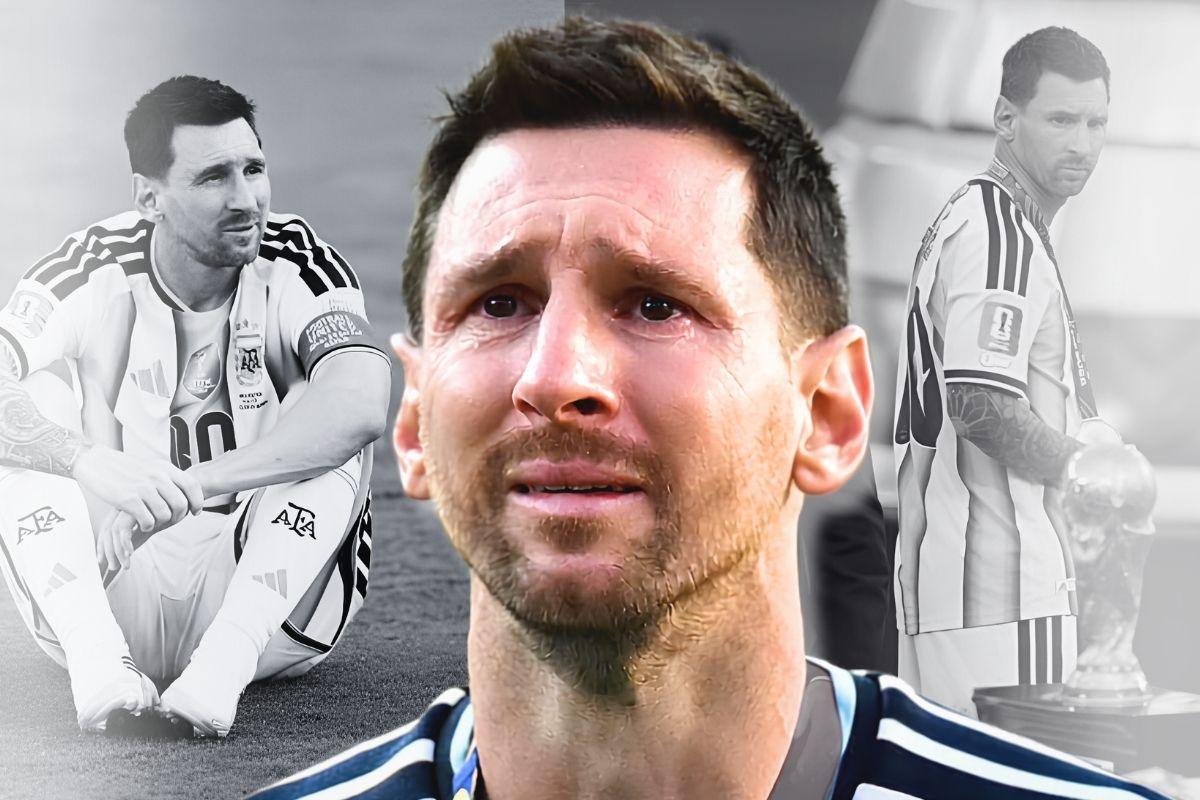
Messi turns 39 this year and has all but confirmed this was it — he’d be 43 by 2030, though he hasn’t fully closed the door on a Copa América appearance in 2028. Scaloni got visibly emotional talking about him postgame, called him the greatest to ever play the game, and asked for time before deciding his own future. Argentina had walked into this final chasing something no team has done — four straight major international titles, after Copa América wins in ’21 and ’24 sandwiching the 2022 World Cup. One match short of history. That’s how it ends, for now.
Also Read: Jannik Sinner Wins Wimbledon Again: Every Key Moment From the 2026 Final
Bottom Line
No single moment sank Argentina — it was a pile-up. Spain’s historically stingy defense and complete control of the ball left Messi and company with almost nothing to work with. The Fernández red card turned a tough night into a ten-man survival mission through all of extra time. Injuries up and down the back line meant Scaloni had few good options left to turn to. And Martínez, for all 11 of his saves, could only hold the door for so long against a team generating nearly two expected goals to Argentina’s fifth of one. Spain walk away with title number two — 2010 and now 2026 — and a shot at becoming the first repeat champion since Brazil pulled it off in ’58 and ’62.
Frequently Asked Questions
Who won the 2026 FIFA World Cup final?
Spain, 1-0 over Argentina after extra time, at MetLife Stadium on July 19, 2026 — their second World Cup title.
Who scored the winning goal?
Ferran Torres, seconds into the second period of extra time, assisted by fellow substitute Nico Williams.
Why was Enzo Fernández sent off?
Second yellow card in second-half stoppage time for a reckless, off-the-ball challenge on Pau Cubarsí. He’d already been booked for dissent earlier.
Was this Messi’s last World Cup?
All signs point to yes — he’d be 43 by 2030 — though he hasn’t ruled out one more Copa América in 2028.
How lopsided was the shot count?
Spain 20 shots (12 on target) to Argentina’s 2 (0 on target). Not close.
Is this Spain’s second World Cup?
Yes — 2010 and now 2026, under Luis de la Fuente, who also has a Euro 2024 title on his résumé.