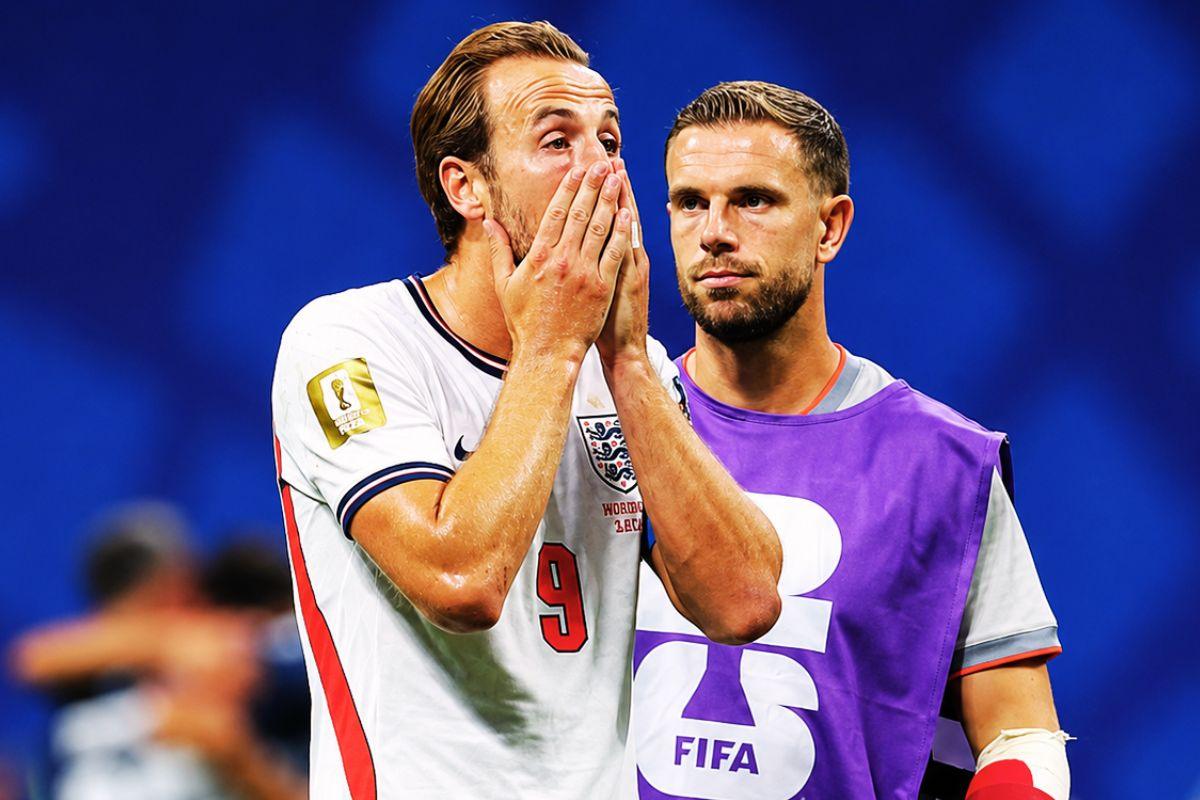
Quick answer: England led Argentina 1-0 in Atlanta after Anthony Gordon’s 55th-minute goal, but a defensive reshuffle from manager Thomas Tuchel invited pressure his side could not handle. Argentina, driven by Lionel Messi’s two assists, scored twice in seven second-half minutes — through Enzo Fernández (85′) and Lautaro Martínez (90+2′) — to win 2-1 and reach the World Cup final against Spain. England will play France in Saturday’s third-place match in Miami.
- 92nd minute, second minute of stoppage time — that’s when Lautaro Martínez’s header sealed it for Argentina.
- England had just 12% possession in the final half-hour. That’s the whole story, right there.
- Lionel Messi didn’t score, but two assists in seven minutes gave him the tiebreaker edge over Mbappé — both on eight goals, but Messi now leads the Golden Boot race heading into Sunday’s World Cup final.
- Three defensive substitutions in 20 minutes — James, Rice, and eventually a third body — while England were still 1-0 up.
- 2018 and 2026. Those are the only two times this century a team’s led a World Cup semi-final and gone on to lose it. Both times, it was England.
- Still no World Cup final for England since 1966. Argentina now play Spain on Sunday; England play France for third place on Saturday.
The Result at a Glance
- Final score: England 1-2 Argentina
- Venue: Atlanta Stadium, Atlanta, Georgia
- Date: Wednesday, July 15, 2026 (FIFA World Cup semi-final)
- Goalscorers: Anthony Gordon (55′) — England; Enzo Fernández (85′), Lautaro Martínez (90+2′) — Argentina
- Assists: Lionel Messi (both Argentina goals)
- Next fixtures: Argentina vs Spain, World Cup final, Sunday, New Jersey. England vs France, third-place play-off, Saturday, Miami Gardens.
This was England’s first appearance in a World Cup semi-final since losing to Croatia in 2018, and the result means the Three Lions have still not reached a World Cup final since they won the tournament in 1966.
Also Read: England vs Argentina: Why This Semifinal Feels Bigger Than Just a Place in the Final
How the Match Unfolded
England came out for the second half with real purpose. Gordon’s goal just past the hour mark had Atlanta buzzing, and for a while it genuinely looked like this could be the night — the night England finally got past the semi-final wall that’s tripped them up so many times before. They’d already survived a tough run to get here, including a shaky last-16 win over Mexico with ten men and a nervy quarter-final against Norway.
Then, with about five minutes of normal time left on the clock, the game turned on its head.
Key Moment 1: Tuchel Goes to a Back Five
Argentina started winning almost every header. Cross after cross came in, and Tuchel didn’t like what he was seeing. His answer was to switch to a back five, adding bodies and height to shut down the aerial threat. Asked about it afterward, he said Argentina “won every header” and kept “crossing and crossing” — which is exactly why he made the change. Reasonable enough in theory. In practice, though, it handed Argentina the pitch. England stopped trying to control the ball and started just trying to survive.
Key Moment 2: Two Substitutions, One Big Problem
The 82nd minute is where this match really turned. Reece James came off for Dan Burn. Declan Rice — the one player England most needed in midfield at that point — was replaced by defender Nico O’Reilly. Not long after, a third defensive change: Ezri Konsa came on too. Three extra defenders, added while England were still ahead.
The idea was to close things down and hold on. What actually happened was England’s possession collapsed — just 12% of the ball between Gordon’s goal and Argentina’s equaliser. That’s not a team seeing out a win. That’s a team that’s been pinned into its own box and can’t get out.
Wayne Rooney’s take afterward stuck with a lot of people: bringing on that many defenders while you’re still winning tends to shake a team’s confidence, whether you mean it to or not. Joe Hart said something similar — that the pace of the change basically told the players on the pitch their manager didn’t trust them anymore.
Also Read: Does England Have a Real Chance to Win the World Cup?
Key Moment 3: Messi Decides It Without Scoring
Lionel Messi didn’t need to put the ball in the net himself. He was already the tournament’s joint-top scorer heading into the night, but here his passing did the damage instead. He set up Fernández for a clean strike from distance to level it in the 85th minute, then delivered the cross for Martínez’s header two minutes into stoppage time. Two assists, two goals, seven minutes apart — that’s about as decisive an individual performance as you’ll see in a semi-final.
Key Moment 4: The Deep Block That Didn’t Hold
Instead of managing the game through the middle of the pitch, England just kept dropping deeper, the same approach that had somehow worked while down to ten men against Mexico. Against a fully fit Argentina with Messi pulling strings from the edge of the box, it wasn’t enough. By the closing minutes, Alan Shearer pointed out on commentary that England effectively had six defenders on the field — a shape built purely to survive, not to actually finish the job.
A Pattern England Can’t Shake
Here’s a stat worth knowing: per Opta, this is only the second time this century a team leading a World Cup semi-final has failed to make the final. The other time? Also England, back in 2018 against Croatia. Throw in the Euro 2020 final loss to Italy — another game England led before retreating and eventually losing — and you can see why so many former players reacted the way they did.
Tuchel, for what it’s worth, wasn’t buying any talk of a curse. He said he prefers to look at these moments as football problems with football solutions, not some inherited pattern repeating itself.
Read Also: Is Bam Adebayo 83-Point Game Among the Greatest Ever Played?
What the Critics Said
Michael Owen didn’t hold back. He compared England’s approach to Spain’s, who’d led 1-0 against France a day earlier and stayed brave rather than shutting up shop. In his view, England were the better side and still found a way to lose — and bringing on three defenders while ahead sent exactly the wrong message. Paul Merson admitted he was lost for words, saying he’d criticised Gareth Southgate for this kind of caution before and hadn’t expected the same thing from Tuchel.
Tuchel defended his calls after the final whistle, saying it’s easy to criticise decisions once you already know the result, since nobody can say for certain what would’ve happened otherwise. He also confirmed he’s staying on as England manager through Euro 2028 — so this conversation about his tactics in big moments isn’t going away anytime soon.
Frequently Asked Questions
What was the final score between England and Argentina?
Argentina won 2-1. Gordon scored for England; Fernández and Martínez scored for Argentina.
Who scored the winning goal?
Lautaro Martínez, in the second minute of stoppage time, heading in a Messi cross.
Why did Tuchel bring on so many defenders?
He said Argentina were dominating in the air and crossing constantly, so he switched to a back five and added defensive substitutions to try to hold the lead.
Did England make the World Cup final?
No — they lost this semi-final and will instead play France in the third-place match in Miami on Saturday, while Argentina face Spain in Sunday’s final.
When did England last reach a World Cup final?
1966 — the year they won it. They haven’t been back since.
The Bottom Line
There wasn’t one single mistake that cost England this game. It was a chain of decisions — the switch to a back five, the substitutions that pulled Rice out of midfield, and a world-class opponent that made them pay for it inside seven minutes. For a team still chasing its first World Cup final since 1966, that’s a hard one to shake off, and it’s a result Thomas Tuchel will be answering questions about for a while yet.