Quick Answer: Here’s something strange. For over ten years, about a million of Britain’s lowest-paid workers have lost out on pension money. It wasn’t fraud. It wasn’t bad advice. It was a rule so obscure that most people never knew it existed.
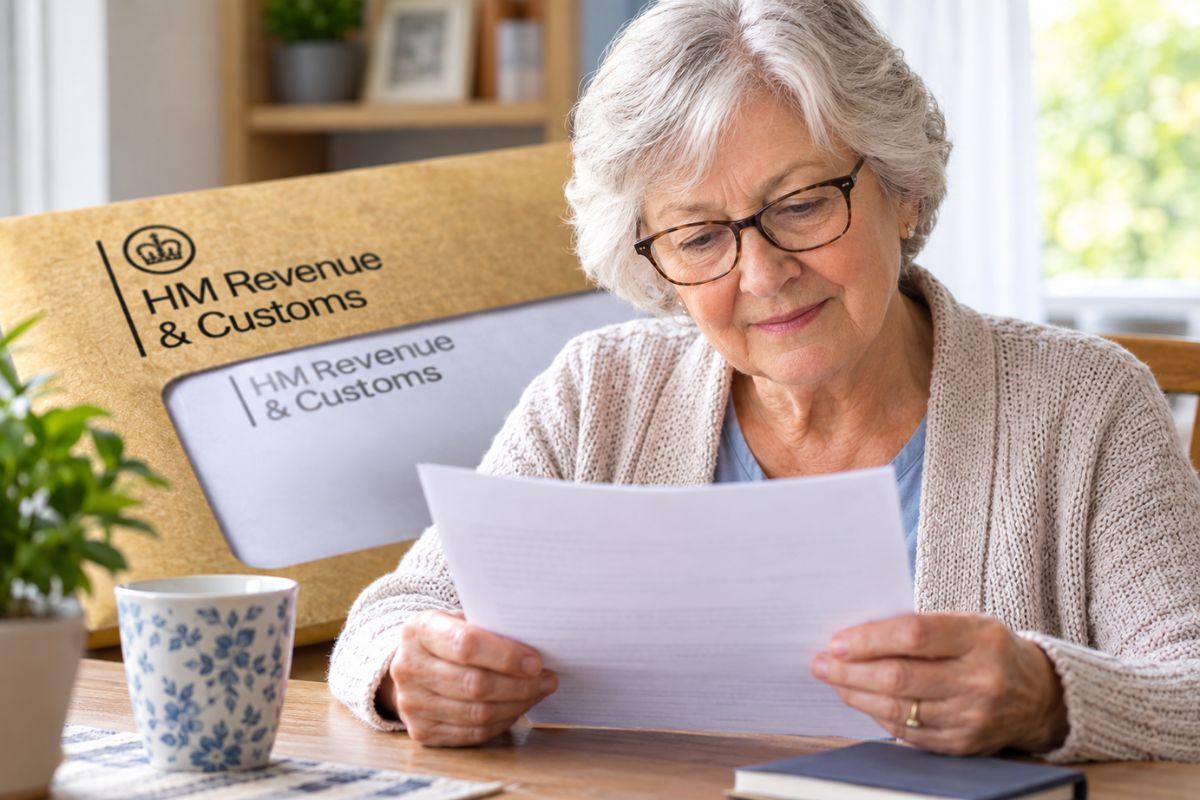
HMRC is now trying to fix this. Letters have started going out. But here’s the twist: the people who fought for this fix say most letters will be ignored. Some people may think it’s a scam.
This article explains what’s going on. We’ll cover what the “low earner’s pension payment” is, who gets it, and why a plan to hand out free money might still fail.
- HMRC owes roughly a million low-paid workers pension tax relief they missed under net pay schemes.
- The fix, called the “low earner’s pension payment,” applies from the 2024/25 tax year onwards.
- Payments average £53–£70, sent straight to your bank account — not automatic, you must accept them.
- Genuine letters are being mistaken for scams, so always verify via GOV UK before sharing bank details.
- You have four years from the end of each tax year to claim, and it won’t affect other benefits.
The Problem: A Pension System With a Blind Spot
Workplace pensions give you tax relief in one of two ways. Which one you get depends on your employer’s pension scheme. You don’t get to choose.
Relief at source (RAS): Your pension money comes out of your pay after tax. The pension provider then claims tax relief back from HMRC for you — 20p for every 80p you pay in. This happens automatically. It doesn’t matter how little you earn.
Net pay arrangement (NPA): Your pension money comes out before tax is worked out. For most people, this is actually better. Higher earners get full relief straight away, with no extra steps.
But there’s a catch. If you earn less than the personal allowance (£12,570 right now), you don’t pay income tax. So there’s no tax bill for a net pay scheme to reduce. You get zero relief.
Think about two people doing the same job, on the same low pay, putting the same amount into their pension. One is in a relief-at-source scheme. The other is in a net pay scheme. The first person gets a 20% top-up from the government. The second person gets nothing. Same job. Same pay. Same pension contribution. Different result.
This gap affected pension contributions made up to and including the 2023/24 tax year. LITRG, a tax charity that campaigned on this issue, gives a simple example. A worker earns £950 a month. She puts £25 into a net pay pension scheme. She gets nothing back, because her pay never crossed the tax threshold anyway. If she’d been in a relief-at-source scheme instead, the government would have added £5 a month to her pot. That’s £60 a year, for doing nothing extra.
Multiply that across hundreds of thousands of workers, year after year. It adds up fast.
Also Read: DWP PIP and Legacy Benefits in 2026: What’s Actually Changing, and What’s Just Rumour
What’s Changing, and When
From the 2024/25 tax year, HMRC has a legal duty to fix this. The fix is called the “low earner’s pension payment.” Here’s how it works:
- After each tax year ends, HMRC checks who paid into a net pay pension scheme but missed out on relief because their income was too low.
- If your income was below the personal allowance all year, you get 20% of your gross pension contribution back. This matches what you’d have got under relief at source.
- If your income was above the personal allowance before your pension contribution, but dropped below it after, you get a partial payment. This stops you getting too much.
- The money goes straight into your bank account. It doesn’t go into your pension pot. You don’t need to apply. But you do need to accept the payment and give HMRC your bank details. HMRC won’t keep your bank details on file, and it won’t send a cheque.
- You have four years from the end of the tax year to accept each payment. This happens every year, so if you were underpaid for several years, you could get more than one payment.
The rollout has been slow. HMRC said in its June 2026 Employer Bulletin that it would start contacting around a million people from August 2026. This covers payments for 2024/25. It’s later than first planned. By late August, letters were going out. HMRC says payments will start arriving over the coming months, in phases, running into early 2027. People will be contacted by post. Letters about the 2025/26 tax year will come later still.
If you’re an employer, payroll provider, or pension administrator, you don’t need to do anything. HMRC handles this directly with each person.
Small Payments, Big Impact On Some Groups
The amount each person gets is small. Reports put the average top-up at around £53 to £70. That barely covers the cost of the stamp. But two things make this bigger than it first looks.
First, the group affected isn’t random. Government figures suggest around three in four people owed this money are women. Many will have earned less because of part-time work or time off for caring. This isn’t a random glitch. It hits people who are already more likely to retire with a smaller pension.
Second, this isn’t a one-off mistake. Anyone stuck in a low-paid job with a net pay pension scheme has been losing out every single year. And until now, there was no way to know it, let alone fix it.
Also Read: State Pension Tax Raid: Why UK Pensioners Are Closer to Paying Tax Than Ever in 2026
A Payout That Looks Like a Scam
Here’s the most interesting part. The people running this fix seem to know it might not work.
Steve Webb is a former pensions minister. He now works at pension consultants LCP. He’s warned that take-up could be very low. Most people have never heard of this problem. If a letter turns up out of nowhere offering free money from HMRC, many will assume it’s fake. He says the whole plan depends on clear, trustworthy communication. Without it, the money may never reach the people it’s meant for.
That’s a fair worry. Unexpected money from a government department usually is a scam. So HMRC has an odd job here: convincing people that, this time, the too-good-to-be-true letter is real. Local news outlets covering this story have had to reassure readers directly that the letters are genuine, not phishing. That tells you how the first wave of letters has actually landed.
HMRC’s response is mostly practical, not persuasive. It points people to its guidance page for checking if a letter is genuine. It says it will never ask for passwords, PIN codes, or a bank transfer to release a payment. HMRC also plans to add this letter to its official list of recognised letters on GOV UK. If you’re unsure, check that list. Don’t click a link in a text or email. And never give your bank details to someone who contacts you first.
What To Do If You Get a Letter
- Check GOV UK first. Search “check if a letter you’ve received from HMRC is genuine.” Make sure this specific letter is on the list before you do anything else.
- Don’t ignore it because the amount is small. Even £53 is money you’re owed. If you’ve been in the same scheme for years, you may get more letters covering other years.
- Only give bank details through your Personal Tax Account, or by phone. Use a number you’ve found yourself, not one from a text or email.
- Act within four years. Don’t assume the money will just show up if you do nothing.
- It won’t hurt other benefits. The payment isn’t taxed. It won’t affect Universal Credit or other benefits.
The Bigger Picture
Strip away the numbers, and this is really a story about how easily people can fall through the cracks. Nobody chose to be in a net pay scheme over a relief-at-source one. That choice was made by an employer, long before the worker even noticed the difference.
The fix depends on that same worker noticing a letter, trusting it, and handing over bank details online. That’s a big ask for someone who’s never even heard the phrase “net pay arrangement.”
HMRC has the legal duty to pay this money out. Whether it actually reaches the people it owes is still an open question.
Also Read: HMRC Plans for Tax Raid on Pensions: What This Means for Your Retirement Savings in 2025
Frequently Asked Questions
What is the HMRC low earner’s pension payment?
It’s a top-up payment for people who paid into a net pay pension scheme but earned too little to get automatic tax relief on their contributions. It applies from the 2024/25 tax year onwards.
Am I eligible?
You might be, if you paid into a workplace pension under a net pay arrangement and your taxable income for the year was at or below the personal allowance (£12,570).
Do I need to apply?
No. HMRC finds eligible people and writes to them. You just need to accept the payment and give your bank details once they contact you.
How much will I get?
Usually 20% of your gross pension contribution for the year. You may get a smaller, partial amount if your income was only just above the personal allowance. Reported averages are around £53 to £70.
Is the letter a scam?
It could be real. Always check it against HMRC’s official list of recognised letters on GOV UK first. Never share financial details, and never respond to a request for a bank transfer, PIN, or password.
Is the payment taxable?
No. It won’t affect benefits like Universal Credit either.
Sources & References
- Low Incomes Tax Reform Group (LITRG) — “Pension tax relief problems for low earners”
- GOV UK — “Low earners’ anomaly: pensions relief relating to net pay arrangements”
- Pensions Age — “Low earners may miss out on pension top-ups despite HMRC letter campaign”
- FT Adviser — coverage of HMRC’s low earner’s pension payment rollout
- Eastern Daily Press (EDP24) — “Thousands receive HMRC refund letter — not a scam”