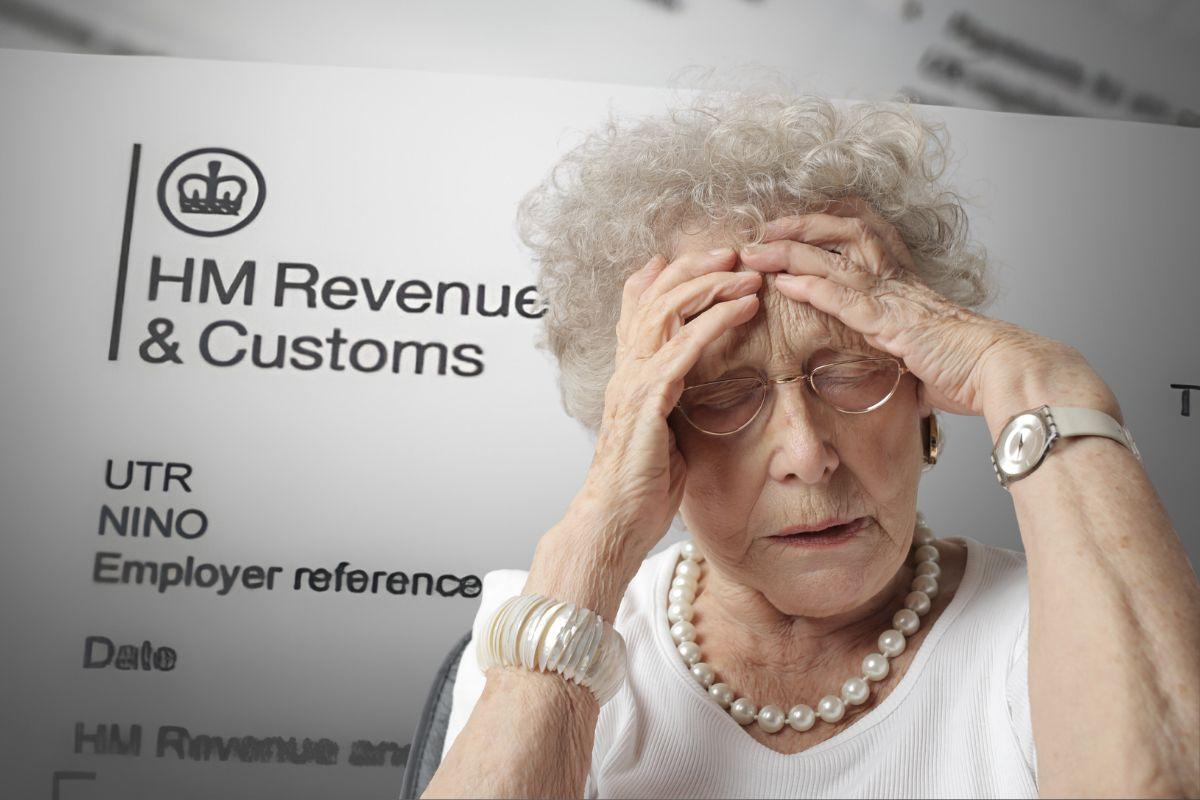
HMRC has apologised for a nine-year state pension forecast error affecting thousands. This happened due to an error in the forecast tool, which left up to 800,000 people with inflated retirement estimates. The mistake, which dated back to the tool’s launch in February 2016, failed to correctly account for people who had “contracted out” of the additional state pension. HMRC corrected the tool on 13 February 2026 following a Telegraph investigation.
For anyone who’s checked their state pension forecast online at any point over the last nine years, this is worth reading carefully, especially if you spent part of your career in a workplace pension scheme.
- HMRC apologised for a nine-year error in its Check your State Pension forecast tool
- The tool launched in February 2016 and was corrected on 13 February 2026
- Around 800,000 people who “contracted out” of the additional state pension may have received inflated forecasts
- HMRC knew about the issue since 2017 but didn’t fix it until this year
- By 2019, roughly 360,000 people had already received inaccurate estimates
- Full new state pension is currently £241.30 a week, requiring 35 qualifying National Insurance years
- Some affected people may need to pay up to £907 a year to top up missing contributions
- The correction mainly affects people reaching state pension age after April 2029
What Actually Went Wrong?
The problem sits with something called “contracting out,” a system that existed before the new state pension launched in April 2016. Under the old rules, people in certain workplace or public sector pension schemes paid reduced National Insurance contributions, because part of their retirement income was already being built up through a private pension instead of the state system.
That reduction was supposed to be factored back in whenever someone checked their state pension forecast. HMRC’s online tool never did this correctly. For anyone who had contracted out at some point in their working life, the forecast tool simply ignored those years’ effect on their final entitlement, showing a higher expected payment than they were actually on track to receive.
The tool launched in February 2016, just two months before the new state pension system itself came into effect. HMRC was reportedly aware something was wrong as early as 2017, but the error wasn’t corrected until 13 February 2026, nine years after it first appeared. By 2019 alone, around 360,000 people had already been shown inaccurate figures during just the tool’s first three years online.
Also Read: Highest-Paying Sectors in the UK With Strong Career Growth
Who’s Affected?
This mainly hits people who contracted out of the additional state pension somewhere along the way, think certain workplaces, public sector roles, or older private pension schemes running before April 2016. HMRC’s estimate puts the number at roughly 800,000, and a good chunk of them have likely seen forecasts showing more than they’ll actually get.
The correction is specifically for those reaching state pension age after April 2029. HMRC’s telling people in that group to hold off and wait until 14 February, the day after it’s fixed, before pulling an updated forecast on Government Gateway. If you’re already at pension age, or near enough that a new number wouldn’t change much, you’re not as affected by this particular update, but that doesn’t erase the fact that inaccurate figures for years might’ve already steered some of your financial calls.
Why This Matters for Retirement Planning?
To get the full new state pension, which currently stands at £241.30 a week, most people need 35 qualifying years of National Insurance contributions. Anyone shown an inflated forecast may have believed they were already on track for the full amount, when in reality gaps in their contracted-out years meant they weren’t.
That distinction matters because it affects real decisions. Someone who believed they didn’t need to make voluntary National Insurance contributions might have skipped paying to fill gaps in their record, a decision that becomes far more expensive to reverse later. Others may have used an inflated forecast to justify retiring earlier than their actual entitlement would comfortably support.
For those who now find they’re short of qualifying years, voluntary National Insurance contributions can fill the gap, though the cost varies depending on how many years are missing and which years they cover. Some reporting on the correction puts this at up to roughly £907 for a single year of contributions, which makes checking an updated forecast sooner rather than later worth the effort.
Also Read: HMRC Plans for Tax Raid on Pensions: What This Means for Your Retirement Savings in 2025
What Has HMRC Said?
An HMRC spokesperson apologised for the difficulties users experienced and confirmed the update ensures forecasts now properly account for contracted-out periods going forward. The department framed the fix as part of an ongoing effort to improve accuracy across its pension forecasting tools, rather than a one-off correction.
The apology followed sustained coverage from The Telegraph, whose investigation into the discrepancy is widely credited with pushing HMRC toward a public fix rather than a quiet backend correction. That kind of pressure isn’t unusual with HMRC systems; errors in digital tools tend to persist quietly until enough individual complaints or press attention forces a formal response.
What You Should Do Now?
If you’ve checked your state pension forecast at any point since 2016 and had a period of contracted-out employment, it’s worth logging back in and reviewing your updated figures. A few practical steps:
- Check your forecast again through the Government Gateway, especially if you’re due to reach state pension age after April 2029
- Review your National Insurance record for any gaps, particularly around years you may have contracted out
- Keep a saved copy or written record of your forecast, in case future discrepancies arise
- Speak to a pensions adviser before paying for voluntary contributions, since the cost and benefit depend heavily on individual circumstances
Frequently Asked Questions
What was the HMRC state pension forecast error?
HMRC’s online Check your State Pension tool failed to correctly account for people who had contracted out of the additional state pension, resulting in inflated forecasts for around 800,000 people.
How long did the error last?
Nine years, from the tool’s launch in February 2016 until it was corrected on 13 February 2026.
Who is affected by the HMRC pension error?
Mainly people who contracted out of the additional state pension through workplace or public sector schemes before April 2016, particularly those reaching state pension age after April 2029.
How much is the full new state pension?
£241.30 a week, which generally requires 35 qualifying years of National Insurance contributions.
What should I do if I was affected?
Check your updated state pension forecast through the Government Gateway and review your National Insurance record for any contribution gaps.
Has HMRC apologised for the error?
Yes. An HMRC spokesperson apologised and confirmed the tool has been corrected to properly reflect contracted-out periods going forward.
Sources and References
- My Wokingham – HMRC Fixes Nine-Year State Pension Forecast Error Affecting Hundreds of Thousands
- BritFinanceGuide – HMRC State Pension Tool Error: How to Fix Your Forecast
- Pie Tax – HMRC Corrects State Pension Forecast Tool After Error